
Why Do Dogs Struggle When Left Alone? Signs Of Separation Anxiety Every Owner Should Recognise

For many dogs, spending time with their owners is one of the most enjoyable parts of the day. However, some pets become visibly distressed when their favourite people leave the house, even for a short period. What appears to be ordinary excitement can sometimes develop into a more serious behavioural concern.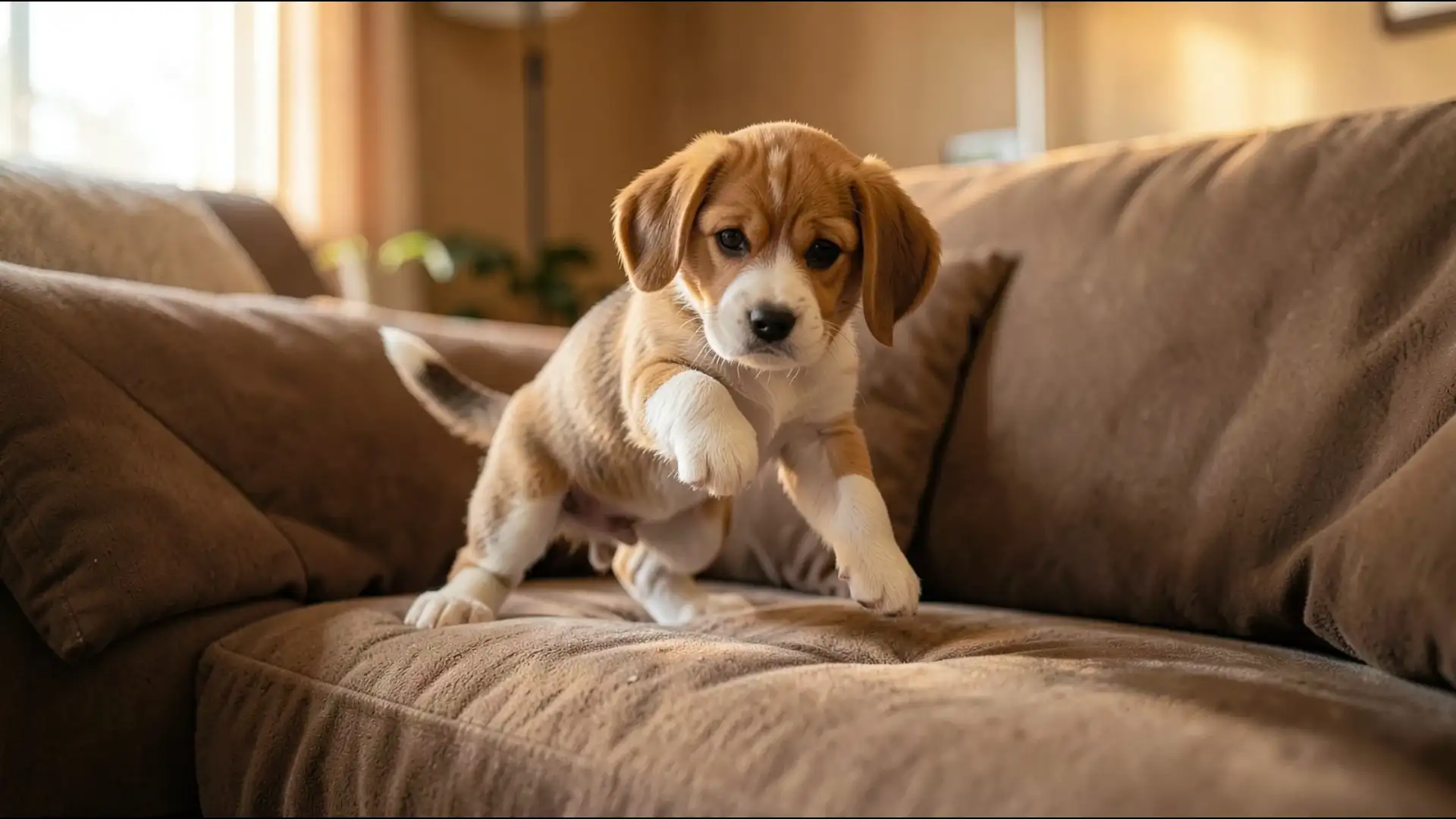
Separation anxiety in dogs can affect their daily routine as well as the household. Understanding why it happens, recognising the early warning signs and responding patiently can help owners support their pets without making the problem worse.
A sudden change in routine may contribute to the behaviour. For example, a dog accustomed to having someone at home throughout the day may find it difficult when household members return to office-based work.
Moving to a new home, being rehomed, changes in family circumstances or previous stressful experiences may also play a part. Some dogs may develop separation-related problems without an obvious trigger.
It is important to remember that not every dog that follows its owner around the house has separation anxiety. The concern arises when being left alone causes significant distress.
Destructive behaviour is another possible sign. Dogs may chew furniture, damage household belongings or attempt to escape from rooms. Some may also urinate or defecate indoors despite being house-trained.
Other indicators include excessive panting, drooling, trembling and refusing food when alone. These behaviours can also have medical or other behavioural causes, so a veterinary assessment is important.
Gradual alone-time training can be helpful. Begin with very short periods of separation that your dog can manage without becoming distressed. Increase the duration slowly, ensuring your pet remains comfortable at each stage.
Interactive toys, food puzzles and a familiar resting area may also provide stimulation. However, these measures are not a substitute for behavioural treatment when anxiety is severe.
Punishment, shouting or deliberately leaving an anxious dog alone for extended periods can make matters worse.
With patient training, appropriate support and a consistent approach, many dogs can learn to manage separation more comfortably. Progress may take time, so owners should avoid expecting immediate results.
Separation anxiety in dogs can affect their daily routine as well as the household. Understanding why it happens, recognising the early warning signs and responding patiently can help owners support their pets without making the problem worse.
Why Do Dogs Develop Separation Anxiety?
Dogs are social animals, and many become closely attached to their human families. Problems can arise when a dog struggles to cope with being separated from its owners.A sudden change in routine may contribute to the behaviour. For example, a dog accustomed to having someone at home throughout the day may find it difficult when household members return to office-based work.
Moving to a new home, being rehomed, changes in family circumstances or previous stressful experiences may also play a part. Some dogs may develop separation-related problems without an obvious trigger.
It is important to remember that not every dog that follows its owner around the house has separation anxiety. The concern arises when being left alone causes significant distress.
Common Signs Owners Should Watch For
The symptoms can vary between individual dogs. Some bark, howl or whine repeatedly after their owners leave, while others pace around the house or repeatedly scratch doors and windows.Destructive behaviour is another possible sign. Dogs may chew furniture, damage household belongings or attempt to escape from rooms. Some may also urinate or defecate indoors despite being house-trained.
Other indicators include excessive panting, drooling, trembling and refusing food when alone. These behaviours can also have medical or other behavioural causes, so a veterinary assessment is important.
You may also like
- "Don't ever forget where you have come from": Ankur Warikoo shares the two parenting lessons his parents taught him; one keeps him grounded, the other pushes him to dream bigger
- New ESIC Rules: Big relief for employees—no more hassle with claims; funds will be credited directly to bank accounts..
- Pneumonia in Babies: What Parents Should Know
- Jensen Huang and his iconic leather jacket: What psychology says about older men and dressing like a youngster
- Nearly half of Telangana's under-five children found anaemic: SAMPADA survey
How Can You Help Your Dog Feel Comfortable Alone?
Start by making departures less stressful. Avoid turning leaving and returning home into highly emotional events. Keep your routine calm and predictable.Gradual alone-time training can be helpful. Begin with very short periods of separation that your dog can manage without becoming distressed. Increase the duration slowly, ensuring your pet remains comfortable at each stage.
Interactive toys, food puzzles and a familiar resting area may also provide stimulation. However, these measures are not a substitute for behavioural treatment when anxiety is severe.
When Should You Seek Professional Help?
If your dog repeatedly panics, injures itself while attempting to escape or displays persistent distress, speak to a veterinarian. A qualified veterinary behaviourist can help develop an appropriate treatment plan.Punishment, shouting or deliberately leaving an anxious dog alone for extended periods can make matters worse.
With patient training, appropriate support and a consistent approach, many dogs can learn to manage separation more comfortably. Progress may take time, so owners should avoid expecting immediate results.






Loving Newspoint? Download the app now
