
Why Do Gujarati Dishes Taste Sweet? Uncovering the Real Reason

Gujarati food is famous for its unique balance of flavors, where even savory dishes like dal, vegetable curries (shaak), and kadhi carry a subtle sweetness. Many think this sweetness is simply a cultural preference, but there’s more to it — a blend of geography, science, and tradition shapes this distinctive taste.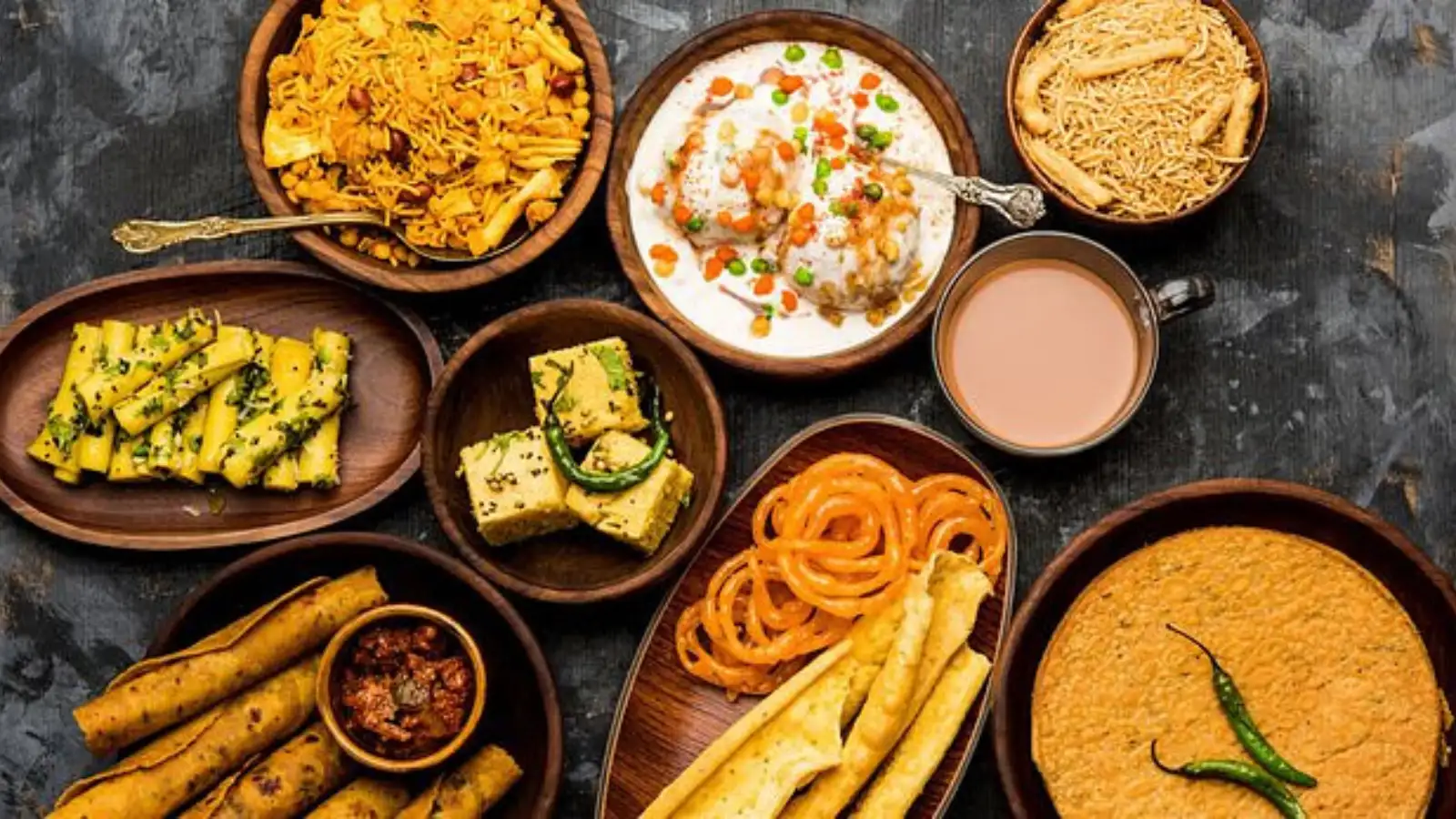
The Influence of Gujarat’s Salty Soil and Water
Gujarat’s coastal landscape, especially areas like Kutch and Saurashtra, is marked by high salt levels in both soil and underground water. Being close to the Arabian Sea and experiencing a dry climate means the groundwater often has natural salt and sodium content. Studies confirm that parts of Gujarat face brackish water conditions, which affect the crops grown there.
Vegetables like gourds, beans, and leafy greens absorb these minerals from salty soil and water, giving them a naturally salty or mineral-rich flavor even before cooking.
Sweetness as a Traditional Taste Balancer
To balance this inherent saltiness and earthy flavor, Gujarati cooks add a touch of sugar or jaggery to their dishes. This isn’t just about making food sweet — it’s a clever way to soften the saltiness and spices, creating a harmonious taste. The blend of salt and sweetness also helped locals stay hydrated and energized in Gujarat’s hot climate.
A Flavor Born from Nature and Culture
What started as a practical solution to the local environment has evolved into a signature of Gujarati cuisine . The sweetness you find isn’t overpowering but carefully balanced, reflecting the region’s natural conditions and the culinary wisdom passed down through generations.
Gujarati dishes teach us how geography and tradition can combine to create flavors that are both unique and delicious. Next time you enjoy a sweet hint in your dal or shaak, remember — it’s the taste of Gujarat’s land and culture on your plate.
The Influence of Gujarat’s Salty Soil and Water
Gujarat’s coastal landscape, especially areas like Kutch and Saurashtra, is marked by high salt levels in both soil and underground water. Being close to the Arabian Sea and experiencing a dry climate means the groundwater often has natural salt and sodium content. Studies confirm that parts of Gujarat face brackish water conditions, which affect the crops grown there. Vegetables like gourds, beans, and leafy greens absorb these minerals from salty soil and water, giving them a naturally salty or mineral-rich flavor even before cooking.
You may also like
- From Delhi to Odisha: Heavy to extremely heavy rainfall expected across India; IMD warns of flooding and travel disruptions
- Word of the day: Bollard
- Makeup brand giving away 1,000s of free driving lessons because their primer is so strong
- Quote of the Day by Confucius, "When you see a worthy person, endeavor to emulate him. When you see an unworthy person, then...."
- 'I knew we had to prevent a priceless treasure being lost forever': Inside Dumfries House, Scotland's timeless property King Charles saved
Sweetness as a Traditional Taste Balancer
To balance this inherent saltiness and earthy flavor, Gujarati cooks add a touch of sugar or jaggery to their dishes. This isn’t just about making food sweet — it’s a clever way to soften the saltiness and spices, creating a harmonious taste. The blend of salt and sweetness also helped locals stay hydrated and energized in Gujarat’s hot climate. A Flavor Born from Nature and Culture
What started as a practical solution to the local environment has evolved into a signature of Gujarati cuisine . The sweetness you find isn’t overpowering but carefully balanced, reflecting the region’s natural conditions and the culinary wisdom passed down through generations.Gujarati dishes teach us how geography and tradition can combine to create flavors that are both unique and delicious. Next time you enjoy a sweet hint in your dal or shaak, remember — it’s the taste of Gujarat’s land and culture on your plate.






Loving Newspoint? Download the app now
