
Why Do Humans Need Alone Time? The Psychology of Solitude Explained

Have you ever wondered why humans need alone time even when they have friends, family or a busy social life? Wanting regular time by yourself is often mistaken for shyness, introversion or coldness. But psychological research suggests that intentional solitude can serve an important purpose: it gives the mind an opportunity to calm down, process emotions and recharge. The key difference is whether you choose to be alone or feel forced into it.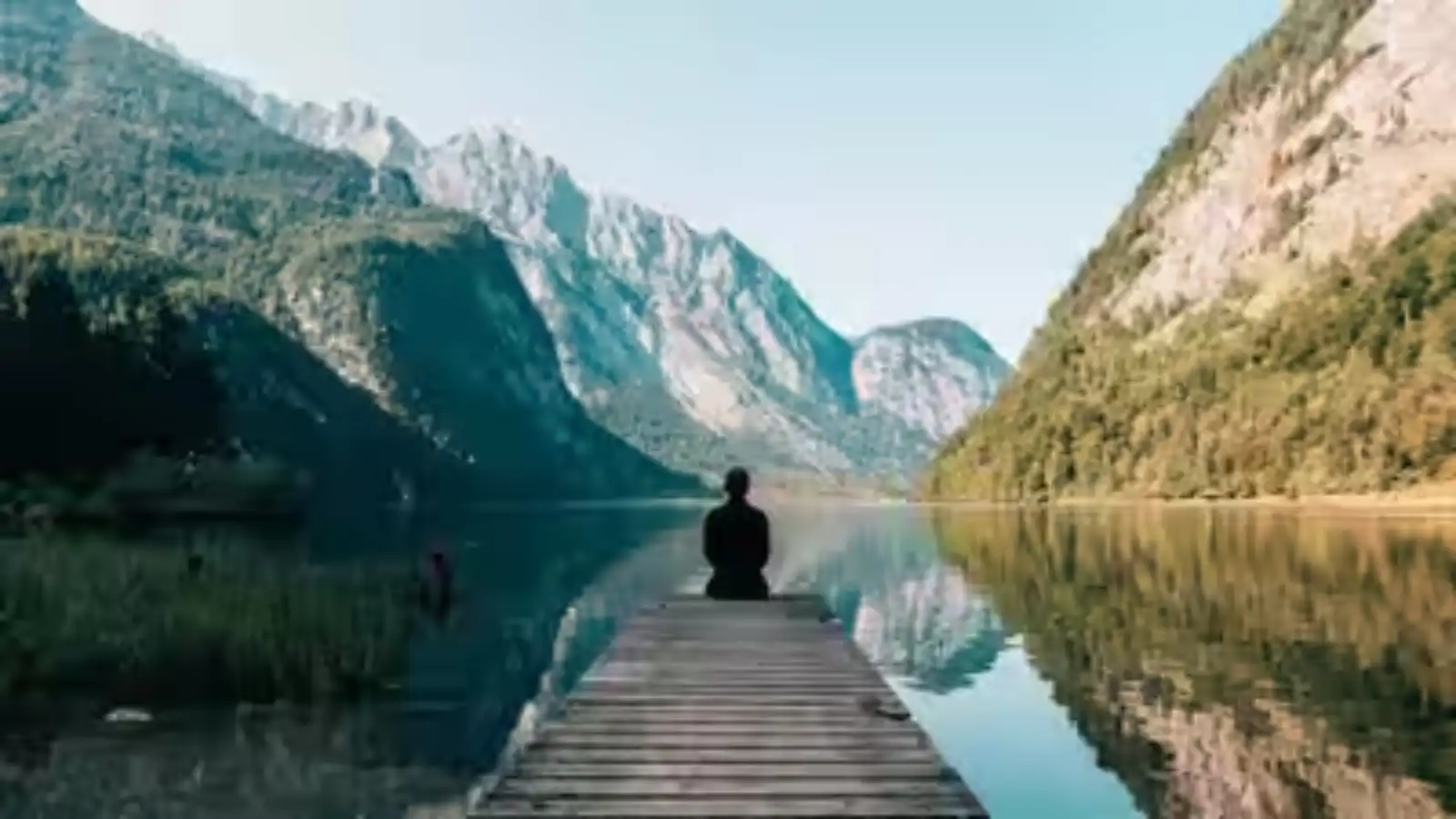
Solitude is time you deliberately choose to spend by yourself. You might read a book, take a walk, listen to music, sit quietly or simply enjoy having no one around. It can feel peaceful and refreshing.
Loneliness, on the other hand, is the distress that comes from feeling disconnected from others. A person can experience loneliness even while surrounded by people, while someone sitting alone can feel perfectly content.
This distinction is important because needing alone time does not automatically mean that someone is socially withdrawn or unhappy.
In simple terms, solitude can help bring the mind down from an emotionally charged state.
After a stressful day, for example, you may feel irritated, anxious or mentally overwhelmed. Stepping away from conversations, notifications and other stimulation can give those emotions a chance to settle.
Interestingly, this calming effect is not simply about being in a peaceful environment. Time spent alone appears to have a distinctive role in helping people regulate their emotional intensity.
Think of it as giving your mind a chance to lower its internal volume.
When you deliberately decide to spend some time alone because you want to relax or think, solitude can feel restorative. But being isolated against your wishes can have the opposite effect.
Psychologists Christopher Long and James Averill have similarly highlighted the difference between voluntary solitude and unwanted isolation.
That freedom can be surprisingly refreshing.
For writers, artists, problem-solvers and anyone working on complex tasks, being alone can provide valuable mental breathing room.
You may finally have time to ask yourself questions such as: What am I actually feeling? What do I want? Why did that situation bother me?
That kind of reflection can help you understand yourself better.
For some people, that pause is essential before they feel ready to engage socially again.
Modern life has made constant connection almost effortless. Messages, social media, entertainment and notifications can fill virtually every empty moment.
As a result, silence can feel unusual.
There is also a cultural tendency to associate being surrounded by people with happiness and being alone with a problem. Someone who regularly declines plans may quickly be labelled antisocial, shy or distant, even when they simply need time to themselves.
But wanting solitude does not necessarily mean wanting to avoid people.
Sometimes, you need distance from stimulation precisely so that you can return to your relationships with more energy and attention.
The broader lesson is that attitudes towards being alone are influenced not only by personality but also by culture.
A society that treats constant social engagement as the ideal may make people feel guilty about needing solitude. A culture that accepts personal space as normal can make the same behaviour feel completely ordinary.
Shyness generally involves discomfort, self-consciousness or fear in social situations. Wanting some time alone, by contrast, can simply reflect a person's need to rest and regulate their emotions.
An outgoing person can enjoy spending an evening alone. An introverted person can have a rich and active social life. A person can also want company one day and solitude the next.
The amount of alone time someone needs varies from person to person.
The warning sign is when intentional time by yourself gradually turns into persistent withdrawal. If someone repeatedly avoids relationships, stops communicating with people they care about or feels increasingly disconnected, their isolation may no longer be restorative.
The goal is not to choose solitude instead of human connection.
It is to find a balance between the two.
The important question is not simply "How much time do I spend alone?"
Instead, ask yourself:
Humans need alone time for different reasons, and intentional solitude can give the mind space to calm down, reflect, create and recover from everyday stimulation. At the same time, meaningful human connection remains essential.
The healthiest approach may therefore be neither constant socialising nor complete withdrawal. It is knowing when you need company, when you need quiet and when it is time to step back into the world feeling refreshed.
Solitude vs Loneliness : What Is the Difference?
Spending time alone and feeling lonely may appear similar from the outside, but they are very different experiences.Solitude is time you deliberately choose to spend by yourself. You might read a book, take a walk, listen to music, sit quietly or simply enjoy having no one around. It can feel peaceful and refreshing.
Loneliness, on the other hand, is the distress that comes from feeling disconnected from others. A person can experience loneliness even while surrounded by people, while someone sitting alone can feel perfectly content.
This distinction is important because needing alone time does not automatically mean that someone is socially withdrawn or unhappy.
Why Does Alone Time Feel So Calming?
Research by psychologists Thuy-vy Nguyen, Richard Ryan and Edward Deci has explored how solitude can influence emotional states. Their findings suggest that being alone can create what researchers describe as a "deactivation effect", in which heightened emotional states become less intense.In simple terms, solitude can help bring the mind down from an emotionally charged state.
After a stressful day, for example, you may feel irritated, anxious or mentally overwhelmed. Stepping away from conversations, notifications and other stimulation can give those emotions a chance to settle.
Interestingly, this calming effect is not simply about being in a peaceful environment. Time spent alone appears to have a distinctive role in helping people regulate their emotional intensity.
Think of it as giving your mind a chance to lower its internal volume.
Choosing to Be Alone Makes All the Difference
Not all alone time is equally beneficial. One of the most important factors is choice.When you deliberately decide to spend some time alone because you want to relax or think, solitude can feel restorative. But being isolated against your wishes can have the opposite effect.
Psychologists Christopher Long and James Averill have similarly highlighted the difference between voluntary solitude and unwanted isolation.
What Healthy Solitude Looks Like
- You choose to take time away from others.
- You feel comfortable or relieved during that time.
- You use it to relax, think, create or recharge.
- You still maintain meaningful relationships with other people.
What Loneliness Can Feel Like
- You want connection but cannot find it.
- Being alone feels painful rather than peaceful.
- You feel disconnected or unwanted.
- Isolation begins to interfere with your everyday life.
How Spending Time Alone Can Benefit the Mind
Intentional solitude can provide more than just emotional relief. It can create mental space for several things that are difficult to achieve amid constant social interaction.1. It Gives You Freedom
When you are alone, there is no need to negotiate every decision or adjust your behaviour around someone else's preferences. You can choose what to do, when to do it and how much energy to spend.That freedom can be surprisingly refreshing.
2. It Can Encourage Creativity
Constant conversation, notifications and interruptions can leave little room for uninterrupted thought. Quiet periods can give ideas time to develop naturally.For writers, artists, problem-solvers and anyone working on complex tasks, being alone can provide valuable mental breathing room.
3. It Creates Space for Reflection
Solitude can make it easier to examine your thoughts and feelings without immediately responding to someone else.You may finally have time to ask yourself questions such as: What am I actually feeling? What do I want? Why did that situation bother me?
That kind of reflection can help you understand yourself better.
4. It Helps You Recharge
Social interaction can be enjoyable, but it also requires attention and emotional energy. A period of quiet can provide a break from conversation, expectations and stimulation.For some people, that pause is essential before they feel ready to engage socially again.
Why Do We Feel Uncomfortable Being Alone?
If solitude can be beneficial, why do so many people immediately reach for their phones whenever they find themselves alone?Modern life has made constant connection almost effortless. Messages, social media, entertainment and notifications can fill virtually every empty moment.
As a result, silence can feel unusual.
There is also a cultural tendency to associate being surrounded by people with happiness and being alone with a problem. Someone who regularly declines plans may quickly be labelled antisocial, shy or distant, even when they simply need time to themselves.
But wanting solitude does not necessarily mean wanting to avoid people.
Sometimes, you need distance from stimulation precisely so that you can return to your relationships with more energy and attention.
What Can We Learn From Nordic Attitudes Towards Solitude?
In several Nordic cultures, comfort with quiet and personal space is more openly accepted as part of everyday life. Spending time in nature, retreating to a cabin or simply enjoying periods of silence does not necessarily carry the same negative social meaning that solitude can have elsewhere.The broader lesson is that attitudes towards being alone are influenced not only by personality but also by culture.
A society that treats constant social engagement as the ideal may make people feel guilty about needing solitude. A culture that accepts personal space as normal can make the same behaviour feel completely ordinary.
Is Wanting Alone Time a Sign of Shyness?
Not necessarily.Shyness generally involves discomfort, self-consciousness or fear in social situations. Wanting some time alone, by contrast, can simply reflect a person's need to rest and regulate their emotions.
An outgoing person can enjoy spending an evening alone. An introverted person can have a rich and active social life. A person can also want company one day and solitude the next.
The amount of alone time someone needs varies from person to person.
When Can Alone Time Become a Problem?
Solitude is not automatically healthy simply because it happens alone.The warning sign is when intentional time by yourself gradually turns into persistent withdrawal. If someone repeatedly avoids relationships, stops communicating with people they care about or feels increasingly disconnected, their isolation may no longer be restorative.
You may also like
- The childhood moments children carry into adulthood aren't usually the expensive gifts, but the simple times they felt loved, heard and seen: Here is what you need to know
- Meet Vikas Singh Panwar: Won 50 lakhs in KBC and then months later cleared UPSC in first attempt with AIR 159 at just 22
- Money Plant vs. Pothos: The real difference and how to choose
- 200 Years Of British Rule Couldn't Break This State's Independence—The Fascinating Story Behind It
- Dolly Parton, Jolene, and the timelessness of utter heartbreak
The goal is not to choose solitude instead of human connection.
It is to find a balance between the two.
Finding the Right Balance Between Solitude and Social Connection
There is no universal amount of alone time that everyone needs. Some people feel energised by frequent social interaction, while others need longer periods of quiet to feel balanced.The important question is not simply "How much time do I spend alone?"
Instead, ask yourself:
- Do I feel better after spending time alone?
- Am I choosing solitude or avoiding people because I feel disconnected?
- Do I still have relationships that matter to me?
- Does my alone time help me recharge or leave me feeling more isolated?
Alone Time Is Not Always Loneliness
The next time someone chooses to spend an evening alone, it may be worth resisting the assumption that they are shy, unfriendly or lonely.Humans need alone time for different reasons, and intentional solitude can give the mind space to calm down, reflect, create and recover from everyday stimulation. At the same time, meaningful human connection remains essential.
The healthiest approach may therefore be neither constant socialising nor complete withdrawal. It is knowing when you need company, when you need quiet and when it is time to step back into the world feeling refreshed.






Loving Newspoint? Download the app now
