
Why Do Leaves Change Colour in Autumn? The Science Behind Fall Foliage

Each fall, we see the lush green trees turn brilliant shades of yellow, orange, red, and even deep purple. It can be stunning to witness, but why does it happen, and what determines the colour the leaves will change to? How do trees know when it’s time to shed their leaves?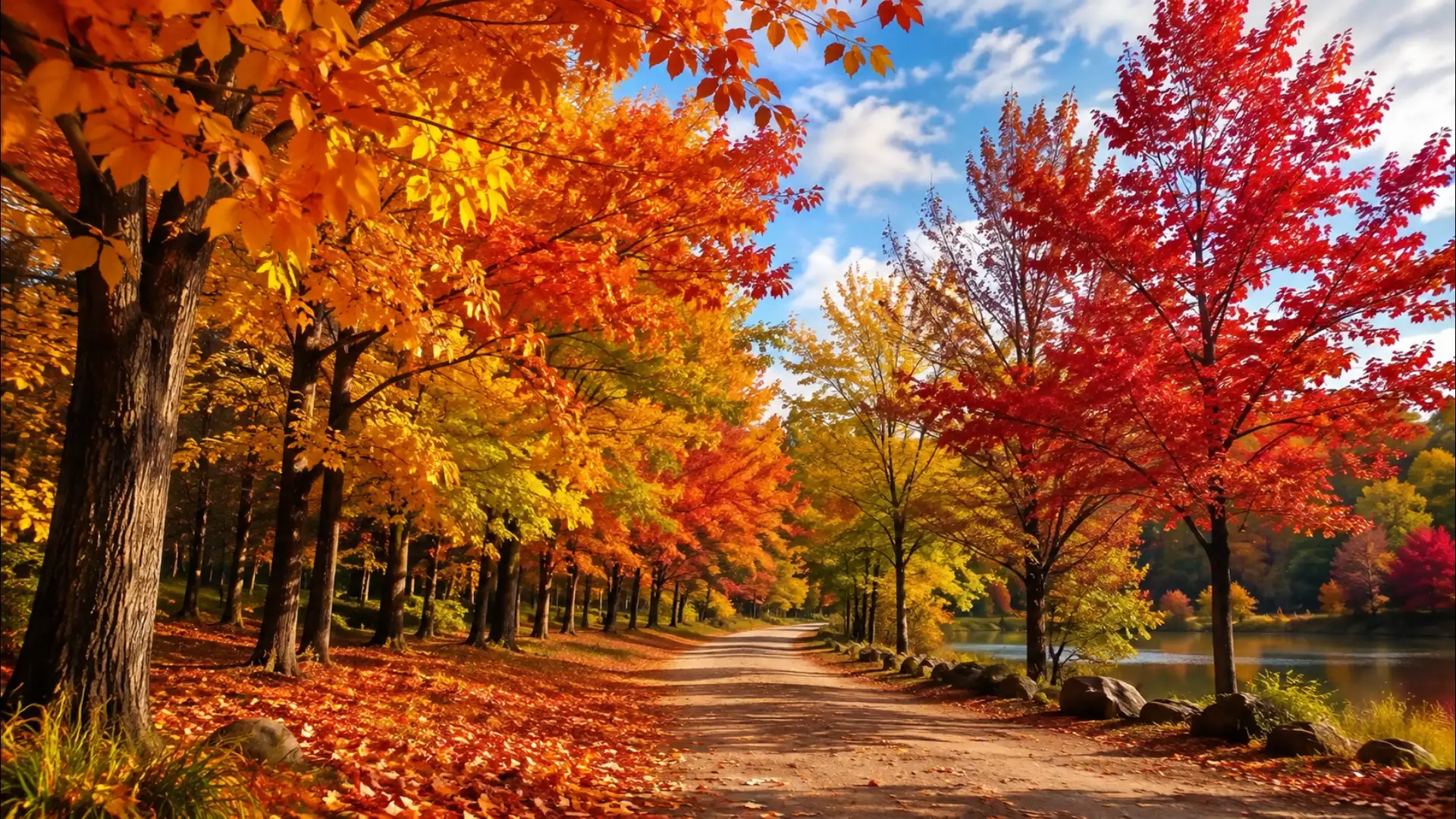
The main reasons for these changes are shorter days and cooler temperatures, but other factors also influence the fall foliage . Everything you wanted to know about why leaves change colour is below:
Carotenoids produce yellow and orange colours and are always present in leaves. They are usually masked by green chlorophyll, but as it breaks down, the yellow and orange pigments become more visible.
Anthocyanins are not present during the growing season. They form when sugars become trapped in the leaves. Through a chemical process, these sugars create red and purple pigments, which are present only in certain tree species.
The main reasons for these changes are shorter days and cooler temperatures, but other factors also influence the fall foliage . Everything you wanted to know about why leaves change colour is below:
Shorter Days
As summer comes to a close and fall begins, the days become shorter and there is less sunlight. Trees are sensitive to this change and use it as a signal to prepare for winter, triggering a series of physiological processes.Cooler Temperatures
As temperatures drop, the chemical reactions within the leaves are affected. These lower temperatures, especially at night, act as a cue to begin the process of senescence, which is the gradual aging and deterioration of the leaves.Chlorophyll Breakdown
Chlorophyll is the green pigment in leaves that plays a key role in photosynthesis, the process by which trees convert sunlight into energy. As the days shorten and temperatures drop, trees receive less direct sunlight, and the chlorophyll in the leaves begins to break down, revealing the other pigments present in the leaves.You may also like
- “I told my son to sit and watch the sunset but he could't”: Jaaved Jaaferi on why today's children are losing patience; and what parents can do about screen time
- Monsoon gadget care: 6 practical ways to protect Wi-Fi routers and electronics from moisture
- Why Does My Tailbone Hurt After Childbirth? Causes and Treatment
- My Violin, Amar Akbar Anthony and the Music of India's Unity
- Who is Zarna Garg? The Indian-born comedian whose emotional Instagram post about mothers, dreams and second chances is touching millions
Leaf Pigments
In addition to chlorophyll, leaves contain other pigments, such as carotenoids and anthocyanins.Carotenoids produce yellow and orange colours and are always present in leaves. They are usually masked by green chlorophyll, but as it breaks down, the yellow and orange pigments become more visible.
Anthocyanins are not present during the growing season. They form when sugars become trapped in the leaves. Through a chemical process, these sugars create red and purple pigments, which are present only in certain tree species.
Tree Species
The exact colours and timing of the change can vary depending on the tree species. Each species contains different combinations of pigments and responds differently to environmental cues. For example, maples are known for their vibrant red and orange leaves in the fall, while certain oak species tend to turn yellow or brown. Oaks also retain their leaves much longer than many other tree species and may remain green even as surrounding trees change colour.Other Environmental Factors
Decreased daylight and cooler temperatures are the primary reasons leaves change colour, but other environmental factors also have an impact. Soil moisture levels, rainfall, and the overall health of the tree all play a role in the intensity of fall colours. Trees under stress, whether from drought or disease, may display less vibrant autumn foliage.





Loving Newspoint? Download the app now
