
Why Do Leaves Have Different Shapes?

Look at the leaves around you and you will quickly notice that plants seem to have an endless supply of designs. Some leaves are enormous and broad, others are long and narrow. Some are round, while others have sharp points, deep cuts or delicate, feathery edges. So, why do leaves have different shapes? The answer is linked to the environment in which plants live and the jobs their leaves need to perform.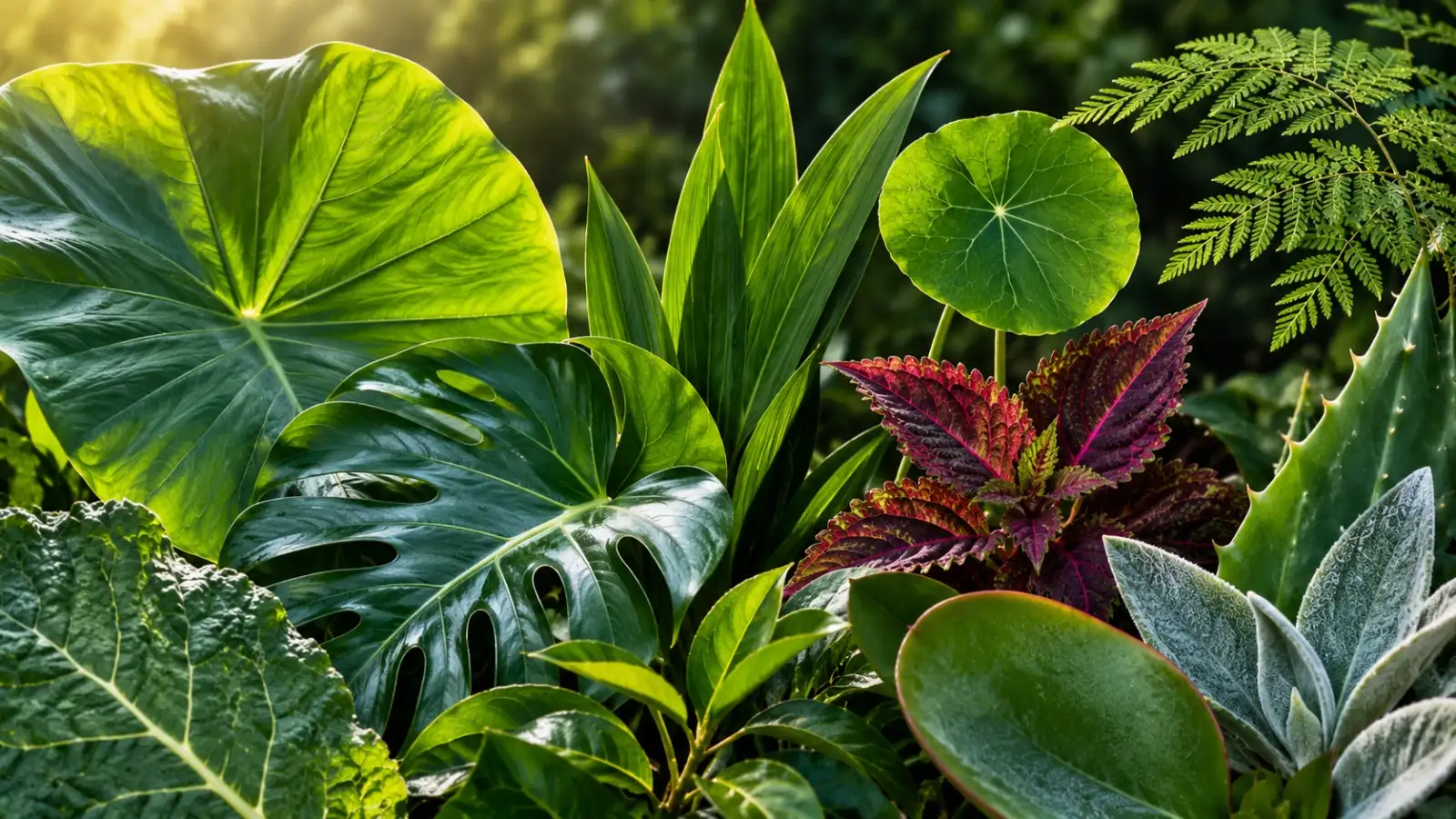
One of the most important jobs of a leaf is photosynthesis. Leaves need access to light, water and carbon dioxide to support this process. A broad leaf can provide a large surface area for capturing sunlight, and in a particular environment, that can be very useful. But having a huge surface area is not always an advantage. Plants have to balance the benefits of capturing light with the risks of losing water and dealing with heat, wind and physical damage.
Climate can have a strong influence on leaf shape. Plants living in hot or dry environments often face a serious challenge of water loss. Smaller or narrower leaves can reduce the exposed surface area and may help some plants manage water more effectively. In contrast, plants growing in environments where water is plentiful can have very different leaf structures. This does not mean there is one universal leaf shape for every climate, as plants have evolved many different solutions to similar environmental problems.
Large leaves also have their own challenges. While they can capture plenty of light, they can also experience problems involving heat, wind and water loss. A very large leaf exposed to strong winds may be more vulnerable to tearing. That is one reason some plants have leaves divided into smaller sections. The overall structure can still capture light while changing how the leaf responds to wind and other environmental pressures.
Leaf thickness can also vary. Some plants produce thick leaves that can store water or cope with challenging conditions. Other plants have thin leaves that are well suited to environments where water is readily available and light conditions allow efficient photosynthesis.
Ultimately, leaf shape is a survival strategy. There is no single 'perfect' leaf shape because plants do not all live under the same conditions. Every leaf represents a compromise between capturing sunlight, exchanging gases, managing water and surviving the physical environment. That is why the leaf of a tropical plant can look completely different from the needle-like structure of a conifer. The shapes may seem decorative, but they are closely connected to how plants survive.
So a leaf is more than just a leaf. The next time you see a strange-looking leaf, look at it as a record of its plant's environment. Its size, thickness, edges and overall shape can reflect the challenges the plant has adapted to handle. In other words, the incredible variety of leaf shapes is nature's way of solving different survival problems with the same basic structure.
One of the most important jobs of a leaf is photosynthesis. Leaves need access to light, water and carbon dioxide to support this process. A broad leaf can provide a large surface area for capturing sunlight, and in a particular environment, that can be very useful. But having a huge surface area is not always an advantage. Plants have to balance the benefits of capturing light with the risks of losing water and dealing with heat, wind and physical damage.
Climate can have a strong influence on leaf shape. Plants living in hot or dry environments often face a serious challenge of water loss. Smaller or narrower leaves can reduce the exposed surface area and may help some plants manage water more effectively. In contrast, plants growing in environments where water is plentiful can have very different leaf structures. This does not mean there is one universal leaf shape for every climate, as plants have evolved many different solutions to similar environmental problems.
You may also like
- Is there an old calendar hanging in your home? Remove it immediately, or else it could lead to financial ruin..
- Oscar Wilde's most famous one-liner quote may be wrongly attributed: The strange story behind “I have nothing to declare except my genius” and what really happened at US customs in 1882
- Maninee De Recalls Sushmita Sen at Miss India
- Fatty Liver Diet: 7 Healthy Snacks That May Support Liver Health, According to Experts
- Dandiya Night 2026: 5 Stylish Men's Outfit Ideas Inspired by Parth Samthaan
Large leaves also have their own challenges. While they can capture plenty of light, they can also experience problems involving heat, wind and water loss. A very large leaf exposed to strong winds may be more vulnerable to tearing. That is one reason some plants have leaves divided into smaller sections. The overall structure can still capture light while changing how the leaf responds to wind and other environmental pressures.
Leaf thickness can also vary. Some plants produce thick leaves that can store water or cope with challenging conditions. Other plants have thin leaves that are well suited to environments where water is readily available and light conditions allow efficient photosynthesis.
Ultimately, leaf shape is a survival strategy. There is no single 'perfect' leaf shape because plants do not all live under the same conditions. Every leaf represents a compromise between capturing sunlight, exchanging gases, managing water and surviving the physical environment. That is why the leaf of a tropical plant can look completely different from the needle-like structure of a conifer. The shapes may seem decorative, but they are closely connected to how plants survive.
So a leaf is more than just a leaf. The next time you see a strange-looking leaf, look at it as a record of its plant's environment. Its size, thickness, edges and overall shape can reflect the challenges the plant has adapted to handle. In other words, the incredible variety of leaf shapes is nature's way of solving different survival problems with the same basic structure.






Loving Newspoint? Download the app now
