
Why Do Some Mountain Villages Have Houses With Sloping Roofs?

Travel through a mountain village and one feature may stand out: many houses have roofs that slope sharply downwards rather than remaining flat. The design is especially noticeable in places that experience heavy rain or snowfall. While the shape can give a house a distinctive appearance, it also serves a practical purpose. A sloping roof helps water move off the building instead of allowing it to collect on top.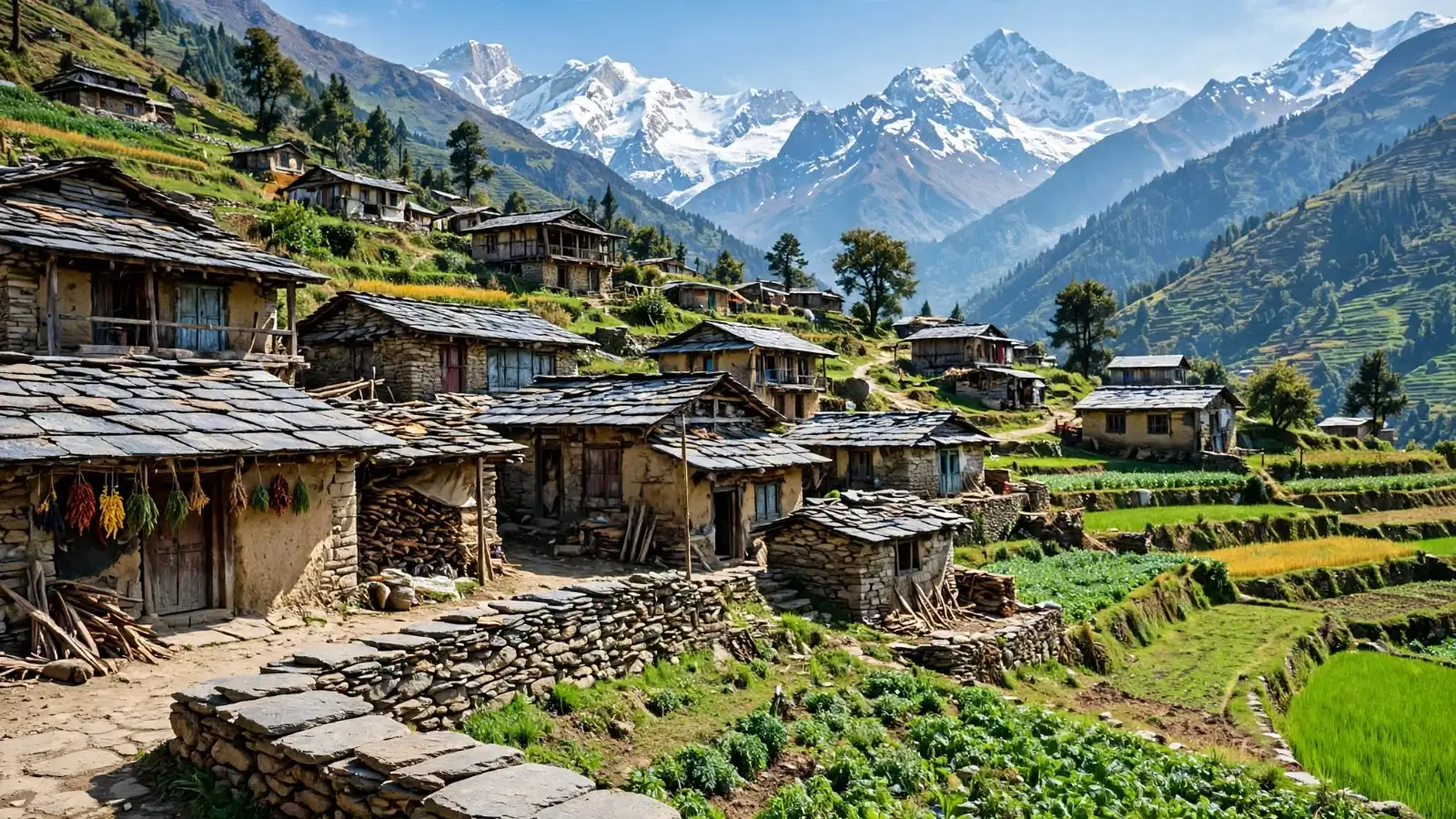
In mountain regions that receive snowfall, roof shape can be particularly important. A sufficiently steep roof may allow snow to slide off under suitable conditions, reducing the amount that remains on the structure. However, snow does not always slide away automatically. Its behaviour depends on the roof material, slope, temperature and type of snow.
A roof that works well in a wet, snowy region may not be necessary in a drier mountain area. Builders also need to consider wind, insulation, structural strength and how the roof connects to the rest of the house.
This is why sloping roofs are common in many mountain settlements, but their angle, shape and construction materials can differ from one place to another.
The choice affects more than appearance. Weight, durability, maintenance needs and resistance to weather all matter. In some areas, traditional designs have developed through generations of practical experience with local conditions.
Modern homes may use different materials while retaining a pitched roof because the shape remains useful for drainage and weather protection.
A steep roof can help water drain naturally, although it may require additional materials and maintenance. The best design depends on the building, the climate and the way the roof will be used.
The next time you see a row of houses with pitched roofs in the hills, look beyond the architecture. The shape may reveal a great deal about the conditions the people living there have learned to build for.
Rain and snow need somewhere to go
One of the main reasons for sloping roofs is drainage. On a pitched roof, rainwater can run down towards the edges and into gutters or designated drainage areas. A flat roof can also be designed to drain water, but it needs a suitable slope and drainage outlets to prevent water from collecting.In mountain regions that receive snowfall, roof shape can be particularly important. A sufficiently steep roof may allow snow to slide off under suitable conditions, reducing the amount that remains on the structure. However, snow does not always slide away automatically. Its behaviour depends on the roof material, slope, temperature and type of snow.
The roof must handle local weather
Mountain weather can vary considerably between regions. Some villages experience heavy monsoon rain, while others face long, cold winters or substantial snowfall. Roof design needs to reflect these local conditions rather than follow one universal rule.A roof that works well in a wet, snowy region may not be necessary in a drier mountain area. Builders also need to consider wind, insulation, structural strength and how the roof connects to the rest of the house.
This is why sloping roofs are common in many mountain settlements, but their angle, shape and construction materials can differ from one place to another.
Local materials shape traditional houses
Traditional mountain architecture often makes use of materials available nearby. Depending on the region, houses may have roofs made from slate, tiles, metal sheets, timber or other locally suitable materials.The choice affects more than appearance. Weight, durability, maintenance needs and resistance to weather all matter. In some areas, traditional designs have developed through generations of practical experience with local conditions.
Modern homes may use different materials while retaining a pitched roof because the shape remains useful for drainage and weather protection.
Why not build every roof flat?
Flat roofs can be practical in many settings. They may provide usable outdoor space and can suit regions where rainfall patterns and construction methods make them appropriate. But in places with heavy precipitation, a roof must be designed carefully to manage water and, where relevant, snow loads.A steep roof can help water drain naturally, although it may require additional materials and maintenance. The best design depends on the building, the climate and the way the roof will be used.
A practical design, not just a visual feature
Sloping roofs give mountain villages much of their recognisable character, but their appearance is closely tied to function. They help manage rain and snow, work with local building materials and reflect generations of adaptation to regional weather.The next time you see a row of houses with pitched roofs in the hills, look beyond the architecture. The shape may reveal a great deal about the conditions the people living there have learned to build for.
Next Story