
Why Do Potatoes Turn Green? The Science Behind the Colour Change

Most people have spotted a potato with patches of green skin while unpacking groceries or reaching into the kitchen cupboard. It is easy to assume that the potato has simply changed colour with age, but the truth is much more interesting. The green tint is actually a sign that the potato has been exposed to light, triggering natural chemical changes inside the tuber. While the colour itself is harmless, it often signals the presence of compounds that deserve attention. Understanding why potatoes turn green can help you store them correctly, reduce food waste and make safer choices in the kitchen.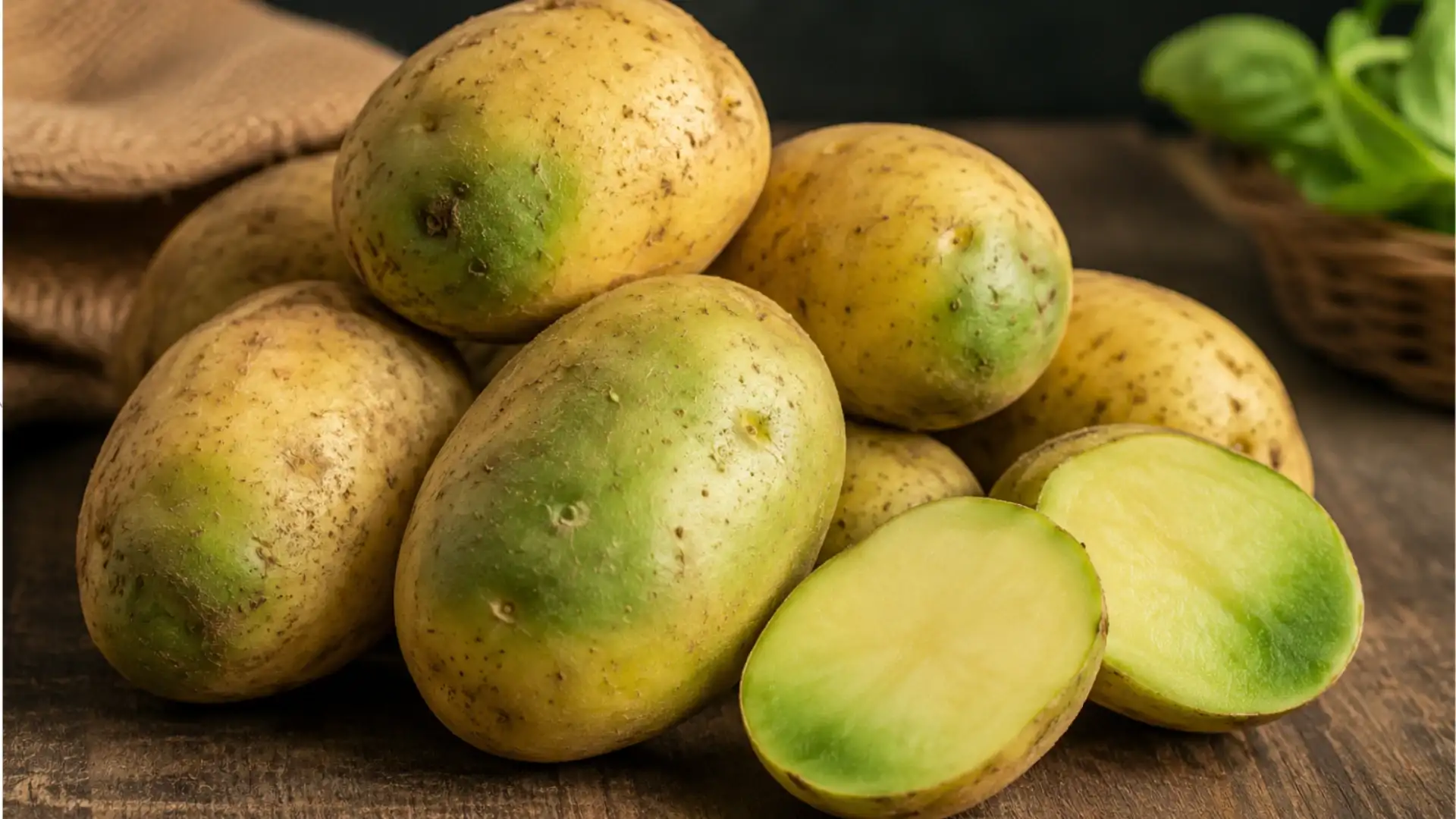
Potatoes are underground stems, so they usually develop away from sunlight. Once exposed to light, they respond much like other plants by producing chlorophyll. Interestingly, chlorophyll itself is completely harmless and has no effect on taste or safety.
However, the appearance of green skin often indicates another chemical process taking place alongside chlorophyll production.
These substances help protect the plant from insects, fungi and animals. In small amounts, they are naturally present in all potatoes, but higher concentrations can cause a bitter taste and may lead to symptoms such as nausea, stomach pain, vomiting or diarrhoea if consumed in significant quantities.
The green colour does not directly indicate how much solanine is present, but it is considered a useful warning sign that the potato should be checked carefully before cooking.
However, if the potato is deeply green, tastes unusually bitter, has numerous sprouts or feels soft and shrivelled, it is best to discard it. Cooking, baking or frying does not destroy solanine, so heat cannot make a heavily green potato safe.
Using fresh, firm potatoes and inspecting them before cooking is a simple habit that reduces any potential risk.
Storing potatoes in the refrigerator is generally not recommended, as very low temperatures can convert starch into sugar, affecting both flavour and cooking quality.
Buying only the quantity you are likely to use within a few weeks also helps minimise waste.
Commercial potato growers and supermarkets often use opaque packaging or cover displays to reduce light exposure. Despite these efforts, potatoes can still begin turning green during transport or while sitting under bright retail lighting.
Scientists continue to study potato breeding techniques that could reduce glycoalkaloid production while maintaining natural resistance to pests.
A green potato is more than just a cosmetic change. It is nature's way of signalling that the tuber has been exposed to conditions that encourage both chlorophyll and potentially harmful glycoalkaloids to develop. Fortunately, understanding why potatoes turn green makes it easy to prevent the problem through proper storage and careful inspection.
The next time you notice a green patch on a potato, you will know it is not simply an unusual colour. It is a reminder of the remarkable chemistry taking place beneath the skin and the importance of handling one of the world's most widely consumed vegetables with a little extra care.
What Causes Potatoes to Turn Green?
The primary reason potatoes turn green is exposure to light. Whether they are left on a sunny windowsill, displayed under supermarket lights or stored in a brightly lit kitchen, potatoes begin producing chlorophyll, the same green pigment that gives leaves and grass their colour.Potatoes are underground stems, so they usually develop away from sunlight. Once exposed to light, they respond much like other plants by producing chlorophyll. Interestingly, chlorophyll itself is completely harmless and has no effect on taste or safety.
However, the appearance of green skin often indicates another chemical process taking place alongside chlorophyll production.
The Link Between Green Potatoes and Solanine
When potatoes receive too much light or experience physical damage, they may also produce higher levels of natural defensive compounds called glycoalkaloids, particularly solanine and chaconine.These substances help protect the plant from insects, fungi and animals. In small amounts, they are naturally present in all potatoes, but higher concentrations can cause a bitter taste and may lead to symptoms such as nausea, stomach pain, vomiting or diarrhoea if consumed in significant quantities.
The green colour does not directly indicate how much solanine is present, but it is considered a useful warning sign that the potato should be checked carefully before cooking.
Can You Still Eat a Green Potato?
A potato with a small green patch can often still be eaten safely if the affected area is cut away generously, along with any sprouts or damaged sections.However, if the potato is deeply green, tastes unusually bitter, has numerous sprouts or feels soft and shrivelled, it is best to discard it. Cooking, baking or frying does not destroy solanine, so heat cannot make a heavily green potato safe.
You may also like
- Plastic bottle numbers explained: Which ones are safe for everyday use?
- Investment: If you want to become a crorepati by investing in SIPs, avoid making these mistakes at all costs..
- “Bahut hi garv hai mujhe Bhartiya Rail pe”: Sonam Wangchuk calls Delhi–Srinagar Vande Bharat a 'beautiful experience'; says he's 'proud of Indian Railways'
- LPG Subsidy: How many cylinders will be subsidized under the Ujjwala Yojana in a year? Do this immediately to get the ₹300 subsidy..
- Why Arjuna's Arrows Never Ran Out in Mahabharata
Using fresh, firm potatoes and inspecting them before cooking is a simple habit that reduces any potential risk.
How to Prevent Potatoes from Turning Green
Proper storage is the easiest way to stop potatoes from becoming green. They should be kept in a cool, dark and well-ventilated place, ideally between 7°C and 10°C. Paper bags, cloth sacks or breathable baskets work well because they protect potatoes from light while allowing air to circulate.Storing potatoes in the refrigerator is generally not recommended, as very low temperatures can convert starch into sugar, affecting both flavour and cooking quality.
Buying only the quantity you are likely to use within a few weeks also helps minimise waste.
Lesser-Known Facts About Green Potatoes
Not all potato varieties turn green at the same rate. Some naturally produce chlorophyll more quickly than others, making them appear greener even under similar storage conditions.Commercial potato growers and supermarkets often use opaque packaging or cover displays to reduce light exposure. Despite these efforts, potatoes can still begin turning green during transport or while sitting under bright retail lighting.
Scientists continue to study potato breeding techniques that could reduce glycoalkaloid production while maintaining natural resistance to pests.
A green potato is more than just a cosmetic change. It is nature's way of signalling that the tuber has been exposed to conditions that encourage both chlorophyll and potentially harmful glycoalkaloids to develop. Fortunately, understanding why potatoes turn green makes it easy to prevent the problem through proper storage and careful inspection.
The next time you notice a green patch on a potato, you will know it is not simply an unusual colour. It is a reminder of the remarkable chemistry taking place beneath the skin and the importance of handling one of the world's most widely consumed vegetables with a little extra care.






Loving Newspoint? Download the app now
