
Why Do Smart TVs Need Software Updates? Everything You Should Know

You settle down to watch your favourite series, switch on your smart TV, and instead of the home screen you're greeted with a message asking you to install a software update. It can be tempting to press "Remind Me Later", especially if the television seems to be working perfectly. However, those updates do far more than add new menus or change the appearance of the interface. Much like smartphones and computers, smart TVs rely on software to power everything from streaming apps to voice assistants and internet connectivity. Regular updates help keep the television secure, efficient and compatible with the latest entertainment services.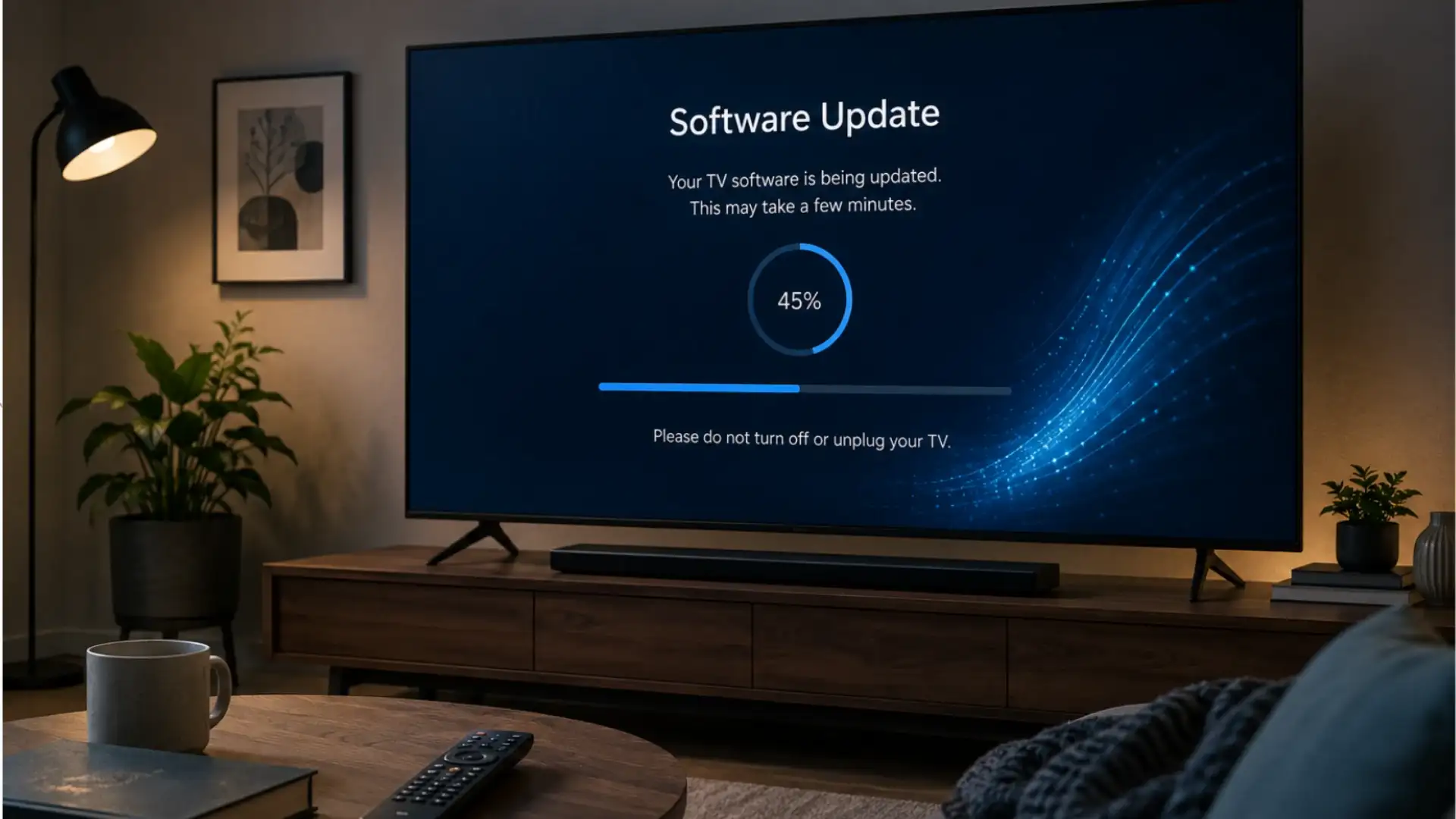
Manufacturers release software updates to improve performance, fix bugs and enhance the user experience. These updates may reduce app crashes, improve navigation or optimise the TV's overall speed.
Without regular updates, even an expensive smart TV can gradually become slower or less reliable over time.
Because smart TVs connect to home Wi-Fi networks and online services, they can become targets for hackers if security vulnerabilities are discovered. Manufacturers regularly release patches that close these weaknesses before they can be exploited.
Although smart TVs are not attacked as frequently as computers or smartphones, they still collect data, store login credentials for streaming services and communicate with multiple internet servers. Keeping the software updated helps protect this information.
To ensure compatibility, television manufacturers often release firmware updates that allow apps such as Netflix, YouTube, Disney+, Amazon Prime Video and BBC iPlayer to continue functioning properly.
Without these updates, certain apps may stop working correctly, experience playback issues or even become unsupported on older software versions.
This is one reason why automatic updates are enabled by default on many smart TVs.
Manufacturers sometimes improve voice assistants, add support for new audio formats, introduce gaming enhancements, optimise HDR performance or refine picture quality through updated image processing algorithms.
Some premium televisions receive meaningful feature upgrades for several years after purchase, extending their useful lifespan without requiring new hardware.
Different brands also follow different update schedules. Premium models generally receive updates for longer periods than entry-level televisions.
Interestingly, engineers often use software updates to improve compatibility with newly released gaming consoles, streaming devices and smart home products, ensuring televisions continue working with evolving technology.
Regular software updates help ensure smoother performance, stronger security and access to the latest entertainment features. Ignoring them may eventually lead to slower operation, missing features or compatibility problems.
The next time your smart TV requests an update, remember that it is not simply downloading new software. It is receiving improvements that keep it secure, reliable and ready for the constantly changing world of digital entertainment.
Why Smart TVs Need Software Updates
Unlike traditional televisions, smart TVs are essentially specialised computers connected to the internet. Their operating systems control every feature, including picture processing, streaming platforms, wireless connections and voice commands.Manufacturers release software updates to improve performance, fix bugs and enhance the user experience. These updates may reduce app crashes, improve navigation or optimise the TV's overall speed.
Without regular updates, even an expensive smart TV can gradually become slower or less reliable over time.
Security Is Just as Important as Performance
One of the biggest reasons for software updates is cybersecurity.Because smart TVs connect to home Wi-Fi networks and online services, they can become targets for hackers if security vulnerabilities are discovered. Manufacturers regularly release patches that close these weaknesses before they can be exploited.
Although smart TVs are not attacked as frequently as computers or smartphones, they still collect data, store login credentials for streaming services and communicate with multiple internet servers. Keeping the software updated helps protect this information.
Keeping Streaming Apps Working Smoothly
Streaming platforms constantly introduce new features, improve video quality and update their own applications.To ensure compatibility, television manufacturers often release firmware updates that allow apps such as Netflix, YouTube, Disney+, Amazon Prime Video and BBC iPlayer to continue functioning properly.
Without these updates, certain apps may stop working correctly, experience playback issues or even become unsupported on older software versions.
This is one reason why automatic updates are enabled by default on many smart TVs.
New Features Can Arrive Years After Purchase
Many people assume a television remains unchanged after leaving the shop, but software updates can introduce entirely new features.Manufacturers sometimes improve voice assistants, add support for new audio formats, introduce gaming enhancements, optimise HDR performance or refine picture quality through updated image processing algorithms.
Some premium televisions receive meaningful feature upgrades for several years after purchase, extending their useful lifespan without requiring new hardware.
You may also like
- The Significance of Yellow Sapphire in Vedic Astrology
- Understanding the Significance of Kamika Ekadashi in Hinduism
- Why 'Forgotten Kingdoms of India: Shadow of the Serpent Fort' by Arti Chavan is a must-read page-turner that brings one of India's most forgotten eras to life
- A special celestial alignment on the first Ekadashi of Sawan: Learn about the significance of the fast, as well as the dos and don'ts..
- Why Does Your Hair Feel Different During Pregnancy?
Lesser-Known Facts About Smart TV Updates
Not every update is immediately visible. Some operate quietly in the background, improving stability or reducing power consumption without changing the interface.Different brands also follow different update schedules. Premium models generally receive updates for longer periods than entry-level televisions.
Interestingly, engineers often use software updates to improve compatibility with newly released gaming consoles, streaming devices and smart home products, ensuring televisions continue working with evolving technology.
Why Software Updates Matter Today
As smart homes become more connected, televisions are increasingly integrated with voice assistants, security systems and wireless devices. A smart TV is no longer simply a screen for watching programmes but an internet-connected digital hub.Regular software updates help ensure smoother performance, stronger security and access to the latest entertainment features. Ignoring them may eventually lead to slower operation, missing features or compatibility problems.
The next time your smart TV requests an update, remember that it is not simply downloading new software. It is receiving improvements that keep it secure, reliable and ready for the constantly changing world of digital entertainment.






Loving Newspoint? Download the app now
