
Why Do Some Flowers Have Stronger Smells At Night?

Some gardens seem to change personality after sunset.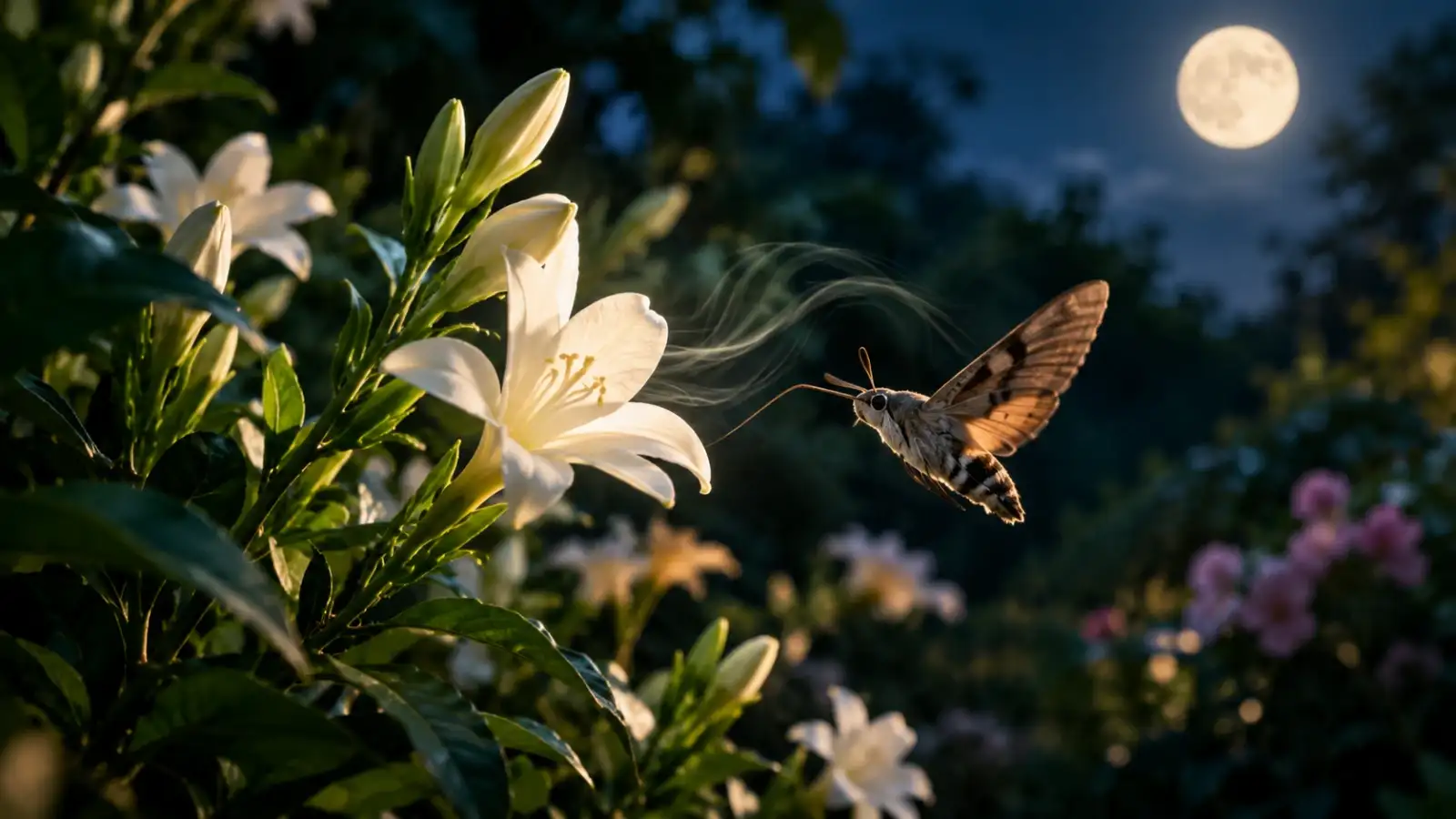
A flower that had only a faint scent during the afternoon can suddenly become much more noticeable at night. In some cases, the fragrance can travel surprisingly far.
So, why do some flowers smell stronger at night?
The answer often involves a very specific audience: pollinators that come out after dark.
For many plants, scent plays an important role in reproduction by helping attract animals that can carry pollen from one flower to another.
During daylight hours, flowers can rely heavily on visual signals such as colour and shape.
At night, those signals become less useful.
That is where fragrance can become particularly important.
Many species are active after sunset and use their sense of smell to locate flowers.
A flower that releases a strong fragrance during the hours when moths are most active can effectively create an aromatic signal that guides potential pollinators towards it.
Plants therefore do not necessarily release the same amount of fragrance continuously. Instead, some species adjust the timing and intensity of scent production.
If a flower's main pollinators are active at night, increasing fragrance during those hours can make biological sense.
It is essentially a timing strategy.
Temperature and air movement influence how volatile scent molecules behave and travel.
At night, the surrounding conditions can change considerably compared with the daytime.
This can affect how quickly scent compounds disperse and how strongly humans perceive them.
So the flower may be producing more fragrance, while environmental conditions may also influence how noticeable that fragrance becomes.
Some flowers are strongly associated with nighttime fragrance, while others may release scent throughout the day.
Their timing depends on their species, environment and pollinators.
The relationship between flower and pollinator is therefore much more complicated than simply saying that all flowers smell stronger at night.
For some plants, nighttime is not a quiet period. It is when their target pollinators are active.
By releasing more fragrance when moths and other nocturnal visitors are searching for food, these flowers can improve their chances of being found.
That beautiful nighttime smell may therefore be less about pleasing your senses and more about sending an invitation to the right visitor.
A flower that had only a faint scent during the afternoon can suddenly become much more noticeable at night. In some cases, the fragrance can travel surprisingly far.
So, why do some flowers smell stronger at night?
The answer often involves a very specific audience: pollinators that come out after dark.
Flowers Need To Attract Visitors
Flowers do not produce fragrance simply because humans enjoy it.For many plants, scent plays an important role in reproduction by helping attract animals that can carry pollen from one flower to another.
During daylight hours, flowers can rely heavily on visual signals such as colour and shape.
At night, those signals become less useful.
That is where fragrance can become particularly important.
Moths Follow Scents
Moths are among the best-known nocturnal pollinators .Many species are active after sunset and use their sense of smell to locate flowers.
A flower that releases a strong fragrance during the hours when moths are most active can effectively create an aromatic signal that guides potential pollinators towards it.
Why Make More Scent At Night?
Producing scent requires energy.Plants therefore do not necessarily release the same amount of fragrance continuously. Instead, some species adjust the timing and intensity of scent production.
If a flower's main pollinators are active at night, increasing fragrance during those hours can make biological sense.
It is essentially a timing strategy.
Temperature Can Change How We Notice Scents
There is another factor that affects the experience of floral fragrance .Temperature and air movement influence how volatile scent molecules behave and travel.
At night, the surrounding conditions can change considerably compared with the daytime.
This can affect how quickly scent compounds disperse and how strongly humans perceive them.
So the flower may be producing more fragrance, while environmental conditions may also influence how noticeable that fragrance becomes.
Not Every Flower Follows The Same Schedule
It is important to remember that plants are diverse.Some flowers are strongly associated with nighttime fragrance, while others may release scent throughout the day.
Their timing depends on their species, environment and pollinators.
The relationship between flower and pollinator is therefore much more complicated than simply saying that all flowers smell stronger at night.
A Fragrant Invitation
The next time you notice a strong floral smell after sunset, there may be a biological reason behind it.For some plants, nighttime is not a quiet period. It is when their target pollinators are active.
By releasing more fragrance when moths and other nocturnal visitors are searching for food, these flowers can improve their chances of being found.
That beautiful nighttime smell may therefore be less about pleasing your senses and more about sending an invitation to the right visitor.
Next Story