
Why Do Trees Live for Hundreds of Years? The Science Behind Their Long Lifespan

Trees are among the longest-living organisms on Earth. While many animals live for only a few decades, some trees survive for hundreds or even thousands of years. Ancient oaks, giant sequoias, baobabs, and bristlecone pines have witnessed generations of human history while continuing to grow.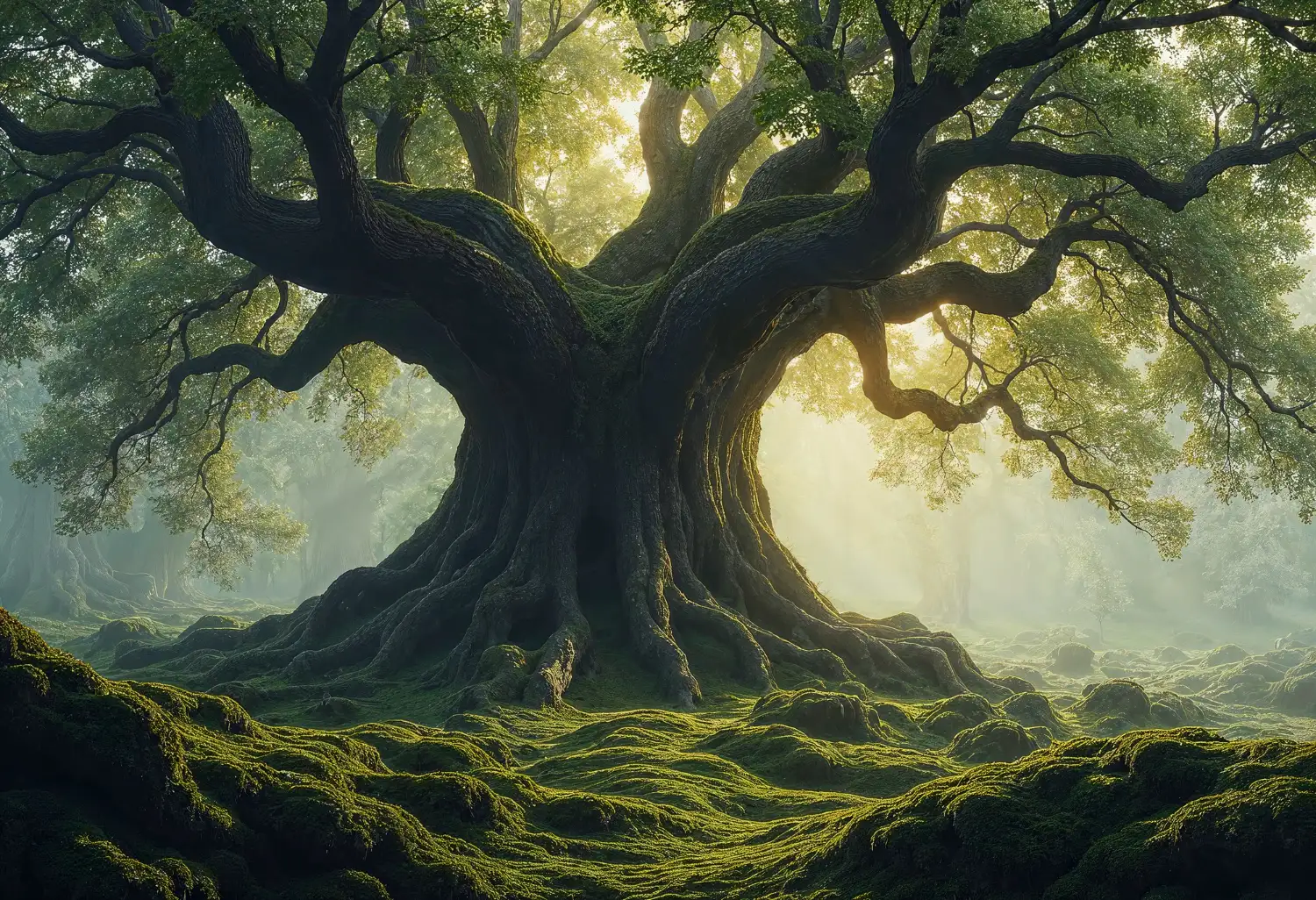
Their remarkable longevity is not due to a single factor. Instead, it results from a combination of biological adaptations, environmental resilience, and the ability to continuously repair themselves. Here's why trees can enjoy such extraordinary lifespans.
Trees Keep Growing Throughout Their Lives
Unlike humans and most animals, trees do not stop growing after reaching adulthood. They contain special tissues called meristems, where cells continue dividing throughout the tree's life. These growing regions are found at the tips of roots and branches, as well as in the vascular cambium, which produces new wood and bark each year.
This continuous growth allows trees to replace damaged tissues and adapt to changing environmental conditions.
Trees Can Repair Damage
Trees cannot heal wounds in the same way humans do, but they are highly effective at limiting damage. Instead of replacing injured tissue, they isolate damaged areas through a process known as compartmentalization.
By surrounding injured or infected wood with protective barriers, trees help prevent decay from spreading to healthy tissues. This strategy enables many trees to survive injuries caused by storms, animals, insects, or human activity.
Most of the Tree Is Already Dead
It may sound surprising, but much of a mature tree consists of dead cells. The inner wood, known as heartwood, provides structural support but no longer transports water or nutrients.
The living parts of a tree are concentrated in a thin outer layer beneath the bark, including the cambium, phloem, and the outer sapwood. Since only a relatively small portion of the tree is metabolically active, its maintenance requirements are lower than those of an organism in which nearly all tissues remain alive.
Strong Defense Against Diseases and Pests
Trees have evolved natural defense systems to protect themselves from insects, fungi, bacteria, and other threats.
Many species produce chemicals such as resins, tannins, and other protective compounds that discourage pests or slow the growth of harmful microorganisms. Thick bark also acts as a protective shield against physical injury, fire (in some species), and disease.
Slow Growth Can Increase Longevity
Many of the world's longest-living trees grow slowly, especially in cold, dry, or nutrient-poor environments. Slow growth often results in dense wood that is more resistant to decay and environmental stress.
For example, the Great Basin bristlecone pine grows under harsh mountain conditions yet can survive for thousands of years, making it one of the longest-lived tree species known.
However, not all slow-growing trees are long-lived, and not every fast-growing tree has a short lifespan. Growth rate is only one factor influencing longevity.
Trees Are Built to Withstand the Environment
Trees have several structural features that help them survive changing weather and natural challenges.
These include:
They Reproduce Long Before They Grow Old
Most trees begin producing flowers, cones, or seeds long before reaching the end of their lifespan. This ensures they can reproduce over many years or even centuries.
Even if an older tree eventually dies, it may have already produced countless offspring that continue the species.
Some Trees Can Regrow After Damage
Several tree species can sprout new shoots from their roots, trunks, or stumps after being damaged by fire, storms, or cutting. This ability helps forests recover naturally after disturbances.
Some trees also reproduce by sending up genetically identical shoots from their root systems, allowing a single genetic individual to persist for exceptionally long periods, even if individual stems die and regrow.
Environment Plays a Major Role
A tree's lifespan depends not only on its biology but also on where it grows.
Trees are more likely to live for centuries when they experience:
Which Trees Live the Longest?
Some of the world's longest-living tree species include:
Although not every tree survives for centuries, many species have evolved strategies that allow them to endure far longer than most living organisms. Protecting forests and ancient trees helps preserve these living records of Earth's natural history for future generations.
Disclaimer: This article is for general informational and educational purposes only. The lifespan of trees varies depending on species, climate, soil conditions, and other environmental factors. The information presented here is based on publicly available sources, and NewsPoint does not independently verify every claim or study referenced.
Their remarkable longevity is not due to a single factor. Instead, it results from a combination of biological adaptations, environmental resilience, and the ability to continuously repair themselves. Here's why trees can enjoy such extraordinary lifespans.
Trees Keep Growing Throughout Their Lives
Unlike humans and most animals, trees do not stop growing after reaching adulthood. They contain special tissues called meristems, where cells continue dividing throughout the tree's life. These growing regions are found at the tips of roots and branches, as well as in the vascular cambium, which produces new wood and bark each year.This continuous growth allows trees to replace damaged tissues and adapt to changing environmental conditions.
Trees Can Repair Damage
Trees cannot heal wounds in the same way humans do, but they are highly effective at limiting damage. Instead of replacing injured tissue, they isolate damaged areas through a process known as compartmentalization.By surrounding injured or infected wood with protective barriers, trees help prevent decay from spreading to healthy tissues. This strategy enables many trees to survive injuries caused by storms, animals, insects, or human activity.
Most of the Tree Is Already Dead
It may sound surprising, but much of a mature tree consists of dead cells. The inner wood, known as heartwood, provides structural support but no longer transports water or nutrients. The living parts of a tree are concentrated in a thin outer layer beneath the bark, including the cambium, phloem, and the outer sapwood. Since only a relatively small portion of the tree is metabolically active, its maintenance requirements are lower than those of an organism in which nearly all tissues remain alive.
Strong Defense Against Diseases and Pests
Trees have evolved natural defense systems to protect themselves from insects, fungi, bacteria, and other threats.Many species produce chemicals such as resins, tannins, and other protective compounds that discourage pests or slow the growth of harmful microorganisms. Thick bark also acts as a protective shield against physical injury, fire (in some species), and disease.
Slow Growth Can Increase Longevity
Many of the world's longest-living trees grow slowly, especially in cold, dry, or nutrient-poor environments. Slow growth often results in dense wood that is more resistant to decay and environmental stress. For example, the Great Basin bristlecone pine grows under harsh mountain conditions yet can survive for thousands of years, making it one of the longest-lived tree species known.
However, not all slow-growing trees are long-lived, and not every fast-growing tree has a short lifespan. Growth rate is only one factor influencing longevity.
Trees Are Built to Withstand the Environment
Trees have several structural features that help them survive changing weather and natural challenges.You may also like
- "By the time a child turns 18, parents have already spent 93% of the total time they'll ever have together," says educator- and the simple calculation is leaving people emotional
- Psychology says one painful comment can stay with you for years while dozens of kind words fade away
- Chinese proverb of the day: Why "It takes more than one cold day for…" reminds us that lasting results take time
- Psychology says people who talk to their pets like they are humans have these 7 unique psychological strengths
- Train News: Several trains are affected from today until August 7; check which routes have changed and view the full list.
These include:
- Deep or extensive root systems that anchor the tree and absorb water.
- Flexible branches that reduce damage during strong winds.
- Thick bark that protects against heat, cold, insects, and mechanical injury.
- Seasonal dormancy in many species, allowing them to conserve energy during unfavorable conditions.
They Reproduce Long Before They Grow Old
Most trees begin producing flowers, cones, or seeds long before reaching the end of their lifespan. This ensures they can reproduce over many years or even centuries. Even if an older tree eventually dies, it may have already produced countless offspring that continue the species.
Some Trees Can Regrow After Damage
Several tree species can sprout new shoots from their roots, trunks, or stumps after being damaged by fire, storms, or cutting. This ability helps forests recover naturally after disturbances. Some trees also reproduce by sending up genetically identical shoots from their root systems, allowing a single genetic individual to persist for exceptionally long periods, even if individual stems die and regrow.
Environment Plays a Major Role
A tree's lifespan depends not only on its biology but also on where it grows. Trees are more likely to live for centuries when they experience:
- Stable climates
- Adequate water availability
- Healthy soil
- Limited pollution
- Minimal human disturbance
- Reduced exposure to severe diseases and pests
Which Trees Live the Longest?
Some of the world's longest-living tree species include: - Great Basin bristlecone pine - Individual trees can live for more than 4,000 years.
- Giant sequoia - Commonly lives for over 2,000 years.
- Coast redwood - Often survives for well over 1,000 years.
- Olive trees - Some cultivated trees are believed to be many centuries old, although determining the exact age of ancient olive trees can be difficult because of their growth patterns.
- Baobab trees - Certain African baobabs have been scientifically dated to well over 1,000 years.
Although not every tree survives for centuries, many species have evolved strategies that allow them to endure far longer than most living organisms. Protecting forests and ancient trees helps preserve these living records of Earth's natural history for future generations.
Disclaimer: This article is for general informational and educational purposes only. The lifespan of trees varies depending on species, climate, soil conditions, and other environmental factors. The information presented here is based on publicly available sources, and NewsPoint does not independently verify every claim or study referenced.






Loving Newspoint? Download the app now
