
Why Do We Celebrate Christmas on December 25? Discover Its History and Origins

Christmas is celebrated every year on 25 December, but its origins go back nearly 2,000 years. The festival marks the birth of Jesus Christ, the central figure of Christianity. However, the way Christmas began as a religious celebration and gradually developed into a worldwide festival of lights, gifts, decorations and family gatherings is a fascinating story. Its history includes early Christian traditions, the adoption of 25 December as the celebration date, ancient winter customs and traditions that evolved over several centuries.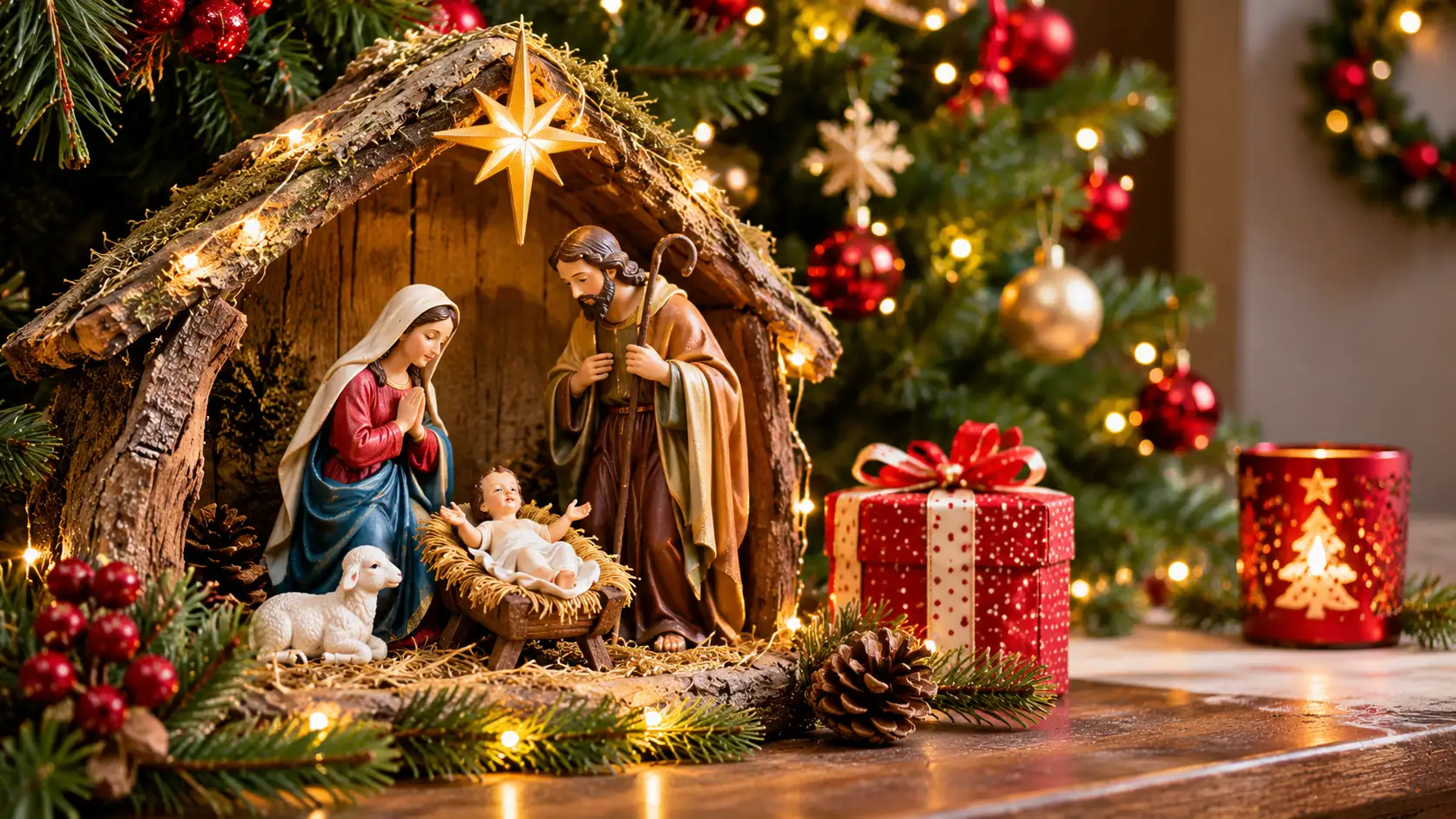
Christmas is celebrated every year on 25 December, but its origins go back nearly 2,000 years. The festival marks the birth of Jesus Christ, the central figure of Christianity. However, the way Christmas began as a religious celebration and gradually developed into a worldwide festival of lights, gifts, decorations and family gatherings is a fascinating story. Its history includes early Christian traditions, the adoption of 25 December as the celebration date, ancient winter customs and traditions that evolved over several centuries.
Interestingly, the Bible does not mention the exact date or year of Jesus' birth. Early Christians also did not initially place the same importance on celebrating his birthday as they did on commemorating his death and resurrection during Easter.
Over time, however, the celebration of Jesus' birth became an important part of Christian religious traditions.
Historical records indicate that the Christian Church in Rome was celebrating the Nativity on this date by AD 336. However, historians have different explanations for why the date was chosen.
One theory connects it with ancient Roman winter celebrations, including Saturnalia and festivals associated with the winter solstice. Another explanation suggests that early Christian thinkers calculated Jesus' conception as taking place around 25 March, placing his birth nine months later in December.
There is no complete historical agreement on which explanation is correct. What is known is that the December 25 celebration gradually spread to different Christian communities.
Gift-giving became associated with the traditions surrounding Saint Nicholas, a Christian bishop remembered for his generosity. His stories eventually influenced the development of the modern Santa Claus figure.
Evergreen decorations, candles, festive meals and winter celebrations also became part of Christmas customs in different parts of Europe. The Christmas tree tradition became particularly popular in German-speaking regions before spreading to other countries.
Carols, church services and nativity displays further strengthened the festival's religious and cultural identity.
During the 19th century, Christmas celebrations became increasingly associated with family gatherings, decorated trees, greeting cards and gift exchanges. Literature, illustrations and popular culture also helped shape the familiar image of Santa Claus.
Today, Christmas is celebrated in numerous countries, including India, with church services, decorations, Christmas cakes, carols and family gatherings. While religious observances remain central for Christians, many people from different backgrounds also participate in its cultural celebrations.
Although its traditions vary between countries and communities, the festival continues to bring people together through music, food, generosity and family celebrations. Understanding its history makes the familiar traditions of 25 December even more interesting.
Christmas is celebrated every year on 25 December, but its origins go back nearly 2,000 years. The festival marks the birth of Jesus Christ, the central figure of Christianity. However, the way Christmas began as a religious celebration and gradually developed into a worldwide festival of lights, gifts, decorations and family gatherings is a fascinating story. Its history includes early Christian traditions, the adoption of 25 December as the celebration date, ancient winter customs and traditions that evolved over several centuries.
Where Did Christmas Begin?
Christmas originated as a Christian festival commemorating the birth of Jesus Christ in Bethlehem. According to the New Testament accounts in the Gospels of Matthew and Luke, Jesus was born to Mary and Joseph. Christians celebrate this event as the Nativity.Interestingly, the Bible does not mention the exact date or year of Jesus' birth. Early Christians also did not initially place the same importance on celebrating his birthday as they did on commemorating his death and resurrection during Easter.
Over time, however, the celebration of Jesus' birth became an important part of Christian religious traditions.
Why Is Christmas Celebrated on December 25 ?
One of the most interesting questions about Christmas is why 25 December was selected when the Bible does not specify Jesus' birthday.Historical records indicate that the Christian Church in Rome was celebrating the Nativity on this date by AD 336. However, historians have different explanations for why the date was chosen.
One theory connects it with ancient Roman winter celebrations, including Saturnalia and festivals associated with the winter solstice. Another explanation suggests that early Christian thinkers calculated Jesus' conception as taking place around 25 March, placing his birth nine months later in December.
There is no complete historical agreement on which explanation is correct. What is known is that the December 25 celebration gradually spread to different Christian communities.
You may also like
- Winter Cooler Storage: If you are storing a cooler in the winter, then do these 5 things; otherwise, you will regret it next summer.
- Dough Storage Tips: Dough left over from the night will not spoil until morning; just keep it safe like this
- How to Store Sev: If the sev gets damp, pack it like this, it will remain crispy for months.
- Can Drinking Water Cause Gas? Dr. Sarin Explains How to Drink Right
- Fireproof Sofa: How can you make a sofa fireproof, and how much does it cost?
How Did Christmas Traditions Develop?
Christmas celebrations did not always look the way they do today. Over centuries, different cultures added their own customs, foods and decorations to the festival.Gift-giving became associated with the traditions surrounding Saint Nicholas, a Christian bishop remembered for his generosity. His stories eventually influenced the development of the modern Santa Claus figure.
Evergreen decorations, candles, festive meals and winter celebrations also became part of Christmas customs in different parts of Europe. The Christmas tree tradition became particularly popular in German-speaking regions before spreading to other countries.
Carols, church services and nativity displays further strengthened the festival's religious and cultural identity.
How Did Christmas Become a Worldwide Festival?
As Christianity spread across Europe and later to other parts of the world, Christmas traditions travelled with it. Migration, trade, colonial history and cultural exchanges helped introduce different ways of celebrating the festival.During the 19th century, Christmas celebrations became increasingly associated with family gatherings, decorated trees, greeting cards and gift exchanges. Literature, illustrations and popular culture also helped shape the familiar image of Santa Claus.
Today, Christmas is celebrated in numerous countries, including India, with church services, decorations, Christmas cakes, carols and family gatherings. While religious observances remain central for Christians, many people from different backgrounds also participate in its cultural celebrations.
Christmas Today: A Celebration of Faith, Family and Togetherness
From its beginnings as a Christian celebration of Jesus Christ's birth to the colourful festival enjoyed across the world today, Christmas has undergone a remarkable transformation.Although its traditions vary between countries and communities, the festival continues to bring people together through music, food, generosity and family celebrations. Understanding its history makes the familiar traditions of 25 December even more interesting.






Loving Newspoint? Download the app now
