
Why Do We Instinctively Smile at Babies? The Science Behind the Reaction

A baby smiles at you in a supermarket, and before you even realise it, you're smiling back. This seemingly automatic reaction is shared by people across cultures, ages and backgrounds. Whether you're a parent or someone who has never cared for a child, babies often trigger warm emotions and friendly expressions almost instantly. Far from being a simple social habit, this response is rooted in millions of years of human evolution, brain biology and psychology. Scientists believe our instinctive smile towards babies helped strengthen caregiving, improve survival and build stronger social bonds, making it one of humanity's most remarkable natural behaviours.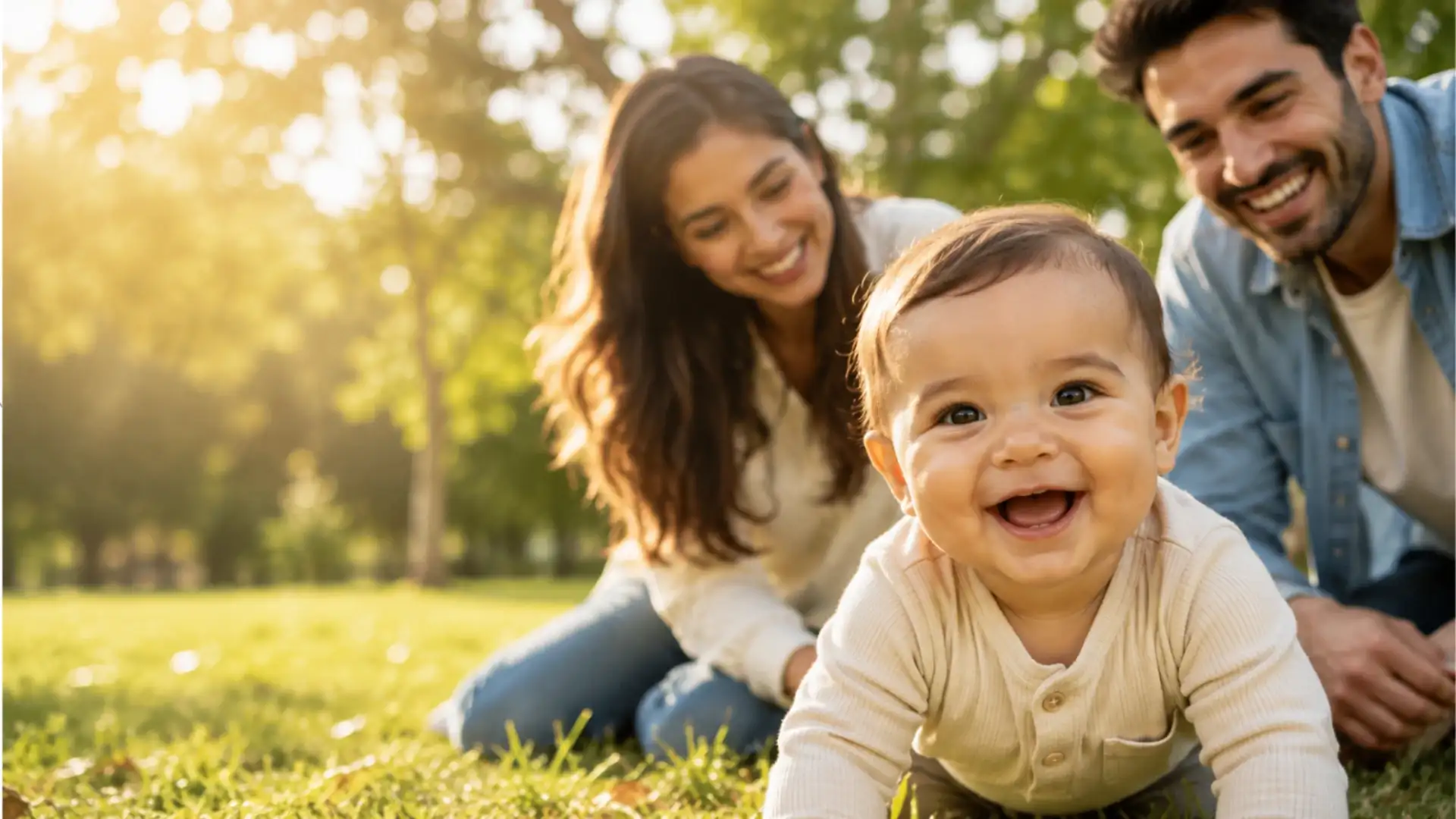
Babies share a set of physical features including large eyes, round cheeks, small noses, soft skin and relatively large heads. These characteristics naturally activate regions of the human brain linked with attention, affection and caregiving.
Researchers using brain imaging have found that these facial features stimulate reward centres within fractions of a second, encouraging adults to respond positively.
This reaction appears in both men and women, regardless of whether they are parents.
Unlike many animals that can walk shortly after birth, human infants require years of care. Natural selection therefore favoured adults who were emotionally drawn to babies and motivated to protect them.
A simple smile may seem insignificant, but positive facial expressions encourage bonding, strengthen emotional connections and reassure infants that they are safe.
Over thousands of generations, these behaviours helped improve children's chances of survival.
Within just a few months, infants begin recognising faces, making eye contact and responding to smiles with smiles of their own. This social interaction creates a feedback loop where adults smile, babies respond and both experience positive emotional reinforcement.
Scientists believe these early exchanges play an important role in language development, emotional regulation and healthy brain growth.
Even newborn babies show a preference for looking at faces over many other visual objects.
Interacting with infants can increase the release of oxytocin , often called the "bonding hormone". Oxytocin promotes feelings of trust, affection and emotional connection.
At the same time, dopamine, a neurotransmitter associated with reward, may reinforce positive interactions, making people more likely to continue engaging with babies.
This biological response helps explain why many people instinctively feel happier around smiling infants.
Interestingly, many young animals such as puppies, kittens and panda cubs also possess features similar to the human baby schema. These characteristics trigger comparable nurturing responses in people, which is one reason they are often considered irresistibly cute.
Scientists continue studying these reactions to better understand empathy, caregiving and human social behaviour.
Understanding why we instinctively smile at babies reminds us that compassion and caregiving are deeply rooted in human nature. These reactions helped our ancestors build stronger communities and continue shaping the way we connect with one another today.
The next time a baby smiles at you and you instinctively smile back, remember that you are taking part in an ancient human behaviour , one that has quietly supported families, communities and the survival of our species for thousands of years.
The Science of the "Baby Schema"
One of the strongest explanations comes from a concept known as the "baby schema", first proposed by Austrian ethologist Konrad Lorenz.Babies share a set of physical features including large eyes, round cheeks, small noses, soft skin and relatively large heads. These characteristics naturally activate regions of the human brain linked with attention, affection and caregiving.
Researchers using brain imaging have found that these facial features stimulate reward centres within fractions of a second, encouraging adults to respond positively.
This reaction appears in both men and women, regardless of whether they are parents.
Why Smiling Helps Babies Survive
From an evolutionary perspective, human babies are born far more dependent than the young of most other mammals.Unlike many animals that can walk shortly after birth, human infants require years of care. Natural selection therefore favoured adults who were emotionally drawn to babies and motivated to protect them.
A simple smile may seem insignificant, but positive facial expressions encourage bonding, strengthen emotional connections and reassure infants that they are safe.
Over thousands of generations, these behaviours helped improve children's chances of survival.
Babies Are Natural Social Communicators
Babies are remarkably skilled at capturing human attention.Within just a few months, infants begin recognising faces, making eye contact and responding to smiles with smiles of their own. This social interaction creates a feedback loop where adults smile, babies respond and both experience positive emotional reinforcement.
Scientists believe these early exchanges play an important role in language development, emotional regulation and healthy brain growth.
Even newborn babies show a preference for looking at faces over many other visual objects.
Hormones and the Human Brain
Smiling at babies is not simply a conscious decision. Hormones also influence our reactions.You may also like
- That empty wall doesn't need another painting: 8 DIY ideas to turn blank space into something useful
- How to remove stubborn turmeric stains from containers and hands using simple home remedies
- Meet Dr Neeraja Nagarajan: After 13 years in America, this physician-scientist and former McKinsey executive moved to India and her story is going viral
- Monsoon Making Your Joints Ache? Here's Why Rainy Weather Can Trigger Knee and Back Pain
- Planning a trip during Sawan? Pushkar's Nag Pahar has emerged as Rajasthan's new monsoon hotspot..
Interacting with infants can increase the release of oxytocin , often called the "bonding hormone". Oxytocin promotes feelings of trust, affection and emotional connection.
At the same time, dopamine, a neurotransmitter associated with reward, may reinforce positive interactions, making people more likely to continue engaging with babies.
This biological response helps explain why many people instinctively feel happier around smiling infants.
Lesser-Known Facts About Babies and Smiles
Research suggests that even people who describe themselves as "not particularly fond of children" often show unconscious positive facial reactions when viewing baby faces.Interestingly, many young animals such as puppies, kittens and panda cubs also possess features similar to the human baby schema. These characteristics trigger comparable nurturing responses in people, which is one reason they are often considered irresistibly cute.
Scientists continue studying these reactions to better understand empathy, caregiving and human social behaviour.
Why This Matters Today
In today's busy, technology-driven world, small moments of genuine human connection remain incredibly important. A simple smile exchanged with a baby may strengthen emotional wellbeing for both the adult and the child.Understanding why we instinctively smile at babies reminds us that compassion and caregiving are deeply rooted in human nature. These reactions helped our ancestors build stronger communities and continue shaping the way we connect with one another today.
The next time a baby smiles at you and you instinctively smile back, remember that you are taking part in an ancient human behaviour , one that has quietly supported families, communities and the survival of our species for thousands of years.






Loving Newspoint? Download the app now
