
Why Do We Remember Ancient Women Only for Their Pain?


When we talk about great men from ancient history, we celebrate their courage, wisdom, and victories. We remember Lord Rama for his dharma, Lord Krishna for his wisdom, and Arjuna for his bravery. But something strange happens when we talk about the women of the same stories. Instead of remembering their strength, we often remember their suffering. Why is that? What if the greatest women of our history were never meant to be symbols of pain? What if they were meant to teach us something far more powerful?

The Stories We Choose to Remember
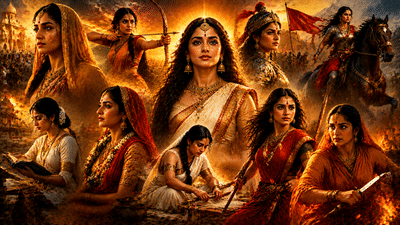
Every generation inherits stories from the past. But often, people remember only the most painful moments. When discussing ancient women, conversations frequently focus on exile, humiliation, rejection, or sacrifice. Yet these moments were never the final chapter of their lives. The real story lies in how they responded. Their greatness did not come from what happened to them. It came from the courage they displayed afterward. The way we remember these women shapes how we understand strength itself.
Sita Chose Dignity Over Approval

Many remember Sita only for her exile. But her story is much larger than abandonment. She was a queen who chose self-respect when her dignity was questioned. Instead of constantly seeking acceptance, she stood firm in her truth. Her decision reflected immense inner strength. Sita's life teaches that dignity should never depend on public opinion. Even when faced with painful circumstances, she refused to let others define her worth. That is why her story continues to inspire millions today.
Draupadi Refused to Become a VictimDraupadi's humiliation in the royal court remains one of the most discussed episodes in the Mahabharata. Yet reducing her story to that single moment misses the larger truth. Draupadi never allowed that humiliation to become her identity. She questioned injustice, demanded accountability, and remained fearless even in difficult situations. Her resilience transformed personal suffering into a powerful call for justice. She was not remembered because she suffered. She was remembered because she refused to surrender.
Parvati Created Her Own DestinyParvati's story is often viewed through the lens of rejection. However, the most important part of her journey was her transformation. Through devotion, discipline, and determination, she evolved into a force equal to Shiva himself. Her story is not about waiting for acceptance. It is about becoming the highest version of oneself. Parvati demonstrates that true power comes from growth, self-mastery, and unwavering commitment to one's purpose. Her journey remains one of the greatest examples of inner evolution.
Strength Is More Than SurvivalMany people assume strength means enduring suffering. But the women of ancient history show something deeper. True strength is not simply surviving difficult circumstances. It is transforming those experiences into wisdom, courage, and purpose. Sita, Draupadi, and Parvati each faced immense challenges, yet none allowed hardship to define them. Their stories remind us that adversity can become a source of growth rather than limitation. That lesson remains just as relevant today as it was thousands of years ago.
The Danger of the Victim NarrativeWhen we focus only on suffering, we unintentionally diminish greatness. The victim narrative can overshadow courage, wisdom, leadership, and resilience. Ancient heroines were not remembered because life was unfair to them. They were remembered because they rose above unfairness with extraordinary grace and strength. By seeing only their pain, we miss the very qualities that made them legendary. Their stories invite us to shift our focus from what happened to them to how they responded.
Their Legacy Lives Within UsThe way we remember history influences the way we see ourselves. If we view these women only as victims, we inherit a limited understanding of their legacy. But if we see them as symbols of courage, dignity, resilience, and self-respect, their stories become powerful guides for our own lives. Every challenge we face offers a choice. We can remain defined by hardship, or we can rise above it. That is the timeless lesson these remarkable women leave behind.
Unlock insightful tips and inspiration on personal growth, productivity, and well-being. Stay motivated and updated with the latest at My Life XP.
Frequently Asked Questions (FAQs)1. Why are Sita, Draupadi, and Parvati often seen as symbols of suffering?
Because many retellings focus on their hardships rather than the strength and wisdom they displayed in overcoming them.
2. Was Sita only a symbol of sacrifice?
No. Sita also represents dignity, self-respect, patience, and unwavering inner strength.
3. What makes Draupadi an inspiring figure?
Her courage to challenge injustice and her refusal to let humiliation define her life.
4. Why is Parvati considered a symbol of empowerment?
Because she transformed herself through devotion, discipline, and determination, becoming Shiva's equal.
5. What is the central message of these stories?
That true greatness comes from rising above challenges, not from avoiding them.
6. How do these stories remain relevant today?
They teach resilience, self-worth, courage, and the importance of maintaining dignity during difficult times.
The Stories We Choose to Remember
History reflects what we choose to focus on.
Every generation inherits stories from the past. But often, people remember only the most painful moments. When discussing ancient women, conversations frequently focus on exile, humiliation, rejection, or sacrifice. Yet these moments were never the final chapter of their lives. The real story lies in how they responded. Their greatness did not come from what happened to them. It came from the courage they displayed afterward. The way we remember these women shapes how we understand strength itself.
Sita Chose Dignity Over Approval
Her silence carried extraordinary power.
Many remember Sita only for her exile. But her story is much larger than abandonment. She was a queen who chose self-respect when her dignity was questioned. Instead of constantly seeking acceptance, she stood firm in her truth. Her decision reflected immense inner strength. Sita's life teaches that dignity should never depend on public opinion. Even when faced with painful circumstances, she refused to let others define her worth. That is why her story continues to inspire millions today.
Draupadi Refused to Become a VictimDraupadi's humiliation in the royal court remains one of the most discussed episodes in the Mahabharata. Yet reducing her story to that single moment misses the larger truth. Draupadi never allowed that humiliation to become her identity. She questioned injustice, demanded accountability, and remained fearless even in difficult situations. Her resilience transformed personal suffering into a powerful call for justice. She was not remembered because she suffered. She was remembered because she refused to surrender.
Parvati Created Her Own DestinyParvati's story is often viewed through the lens of rejection. However, the most important part of her journey was her transformation. Through devotion, discipline, and determination, she evolved into a force equal to Shiva himself. Her story is not about waiting for acceptance. It is about becoming the highest version of oneself. Parvati demonstrates that true power comes from growth, self-mastery, and unwavering commitment to one's purpose. Her journey remains one of the greatest examples of inner evolution.
Strength Is More Than SurvivalMany people assume strength means enduring suffering. But the women of ancient history show something deeper. True strength is not simply surviving difficult circumstances. It is transforming those experiences into wisdom, courage, and purpose. Sita, Draupadi, and Parvati each faced immense challenges, yet none allowed hardship to define them. Their stories remind us that adversity can become a source of growth rather than limitation. That lesson remains just as relevant today as it was thousands of years ago.
The Danger of the Victim NarrativeWhen we focus only on suffering, we unintentionally diminish greatness. The victim narrative can overshadow courage, wisdom, leadership, and resilience. Ancient heroines were not remembered because life was unfair to them. They were remembered because they rose above unfairness with extraordinary grace and strength. By seeing only their pain, we miss the very qualities that made them legendary. Their stories invite us to shift our focus from what happened to them to how they responded.
Their Legacy Lives Within UsThe way we remember history influences the way we see ourselves. If we view these women only as victims, we inherit a limited understanding of their legacy. But if we see them as symbols of courage, dignity, resilience, and self-respect, their stories become powerful guides for our own lives. Every challenge we face offers a choice. We can remain defined by hardship, or we can rise above it. That is the timeless lesson these remarkable women leave behind.
Unlock insightful tips and inspiration on personal growth, productivity, and well-being. Stay motivated and updated with the latest at My Life XP.
Frequently Asked Questions (FAQs)1. Why are Sita, Draupadi, and Parvati often seen as symbols of suffering?
Because many retellings focus on their hardships rather than the strength and wisdom they displayed in overcoming them.
No. Sita also represents dignity, self-respect, patience, and unwavering inner strength.
3. What makes Draupadi an inspiring figure?
Her courage to challenge injustice and her refusal to let humiliation define her life.
4. Why is Parvati considered a symbol of empowerment?
Because she transformed herself through devotion, discipline, and determination, becoming Shiva's equal.
That true greatness comes from rising above challenges, not from avoiding them.
6. How do these stories remain relevant today?
They teach resilience, self-worth, courage, and the importance of maintaining dignity during difficult times.
Next Story