
Why Does Bread Taste Completely Different When Toasted?

There is something almost magical about putting an ordinary slice of bread into a toaster. A few minutes later, the same bread comes out crisp, golden and filled with a completely different aroma.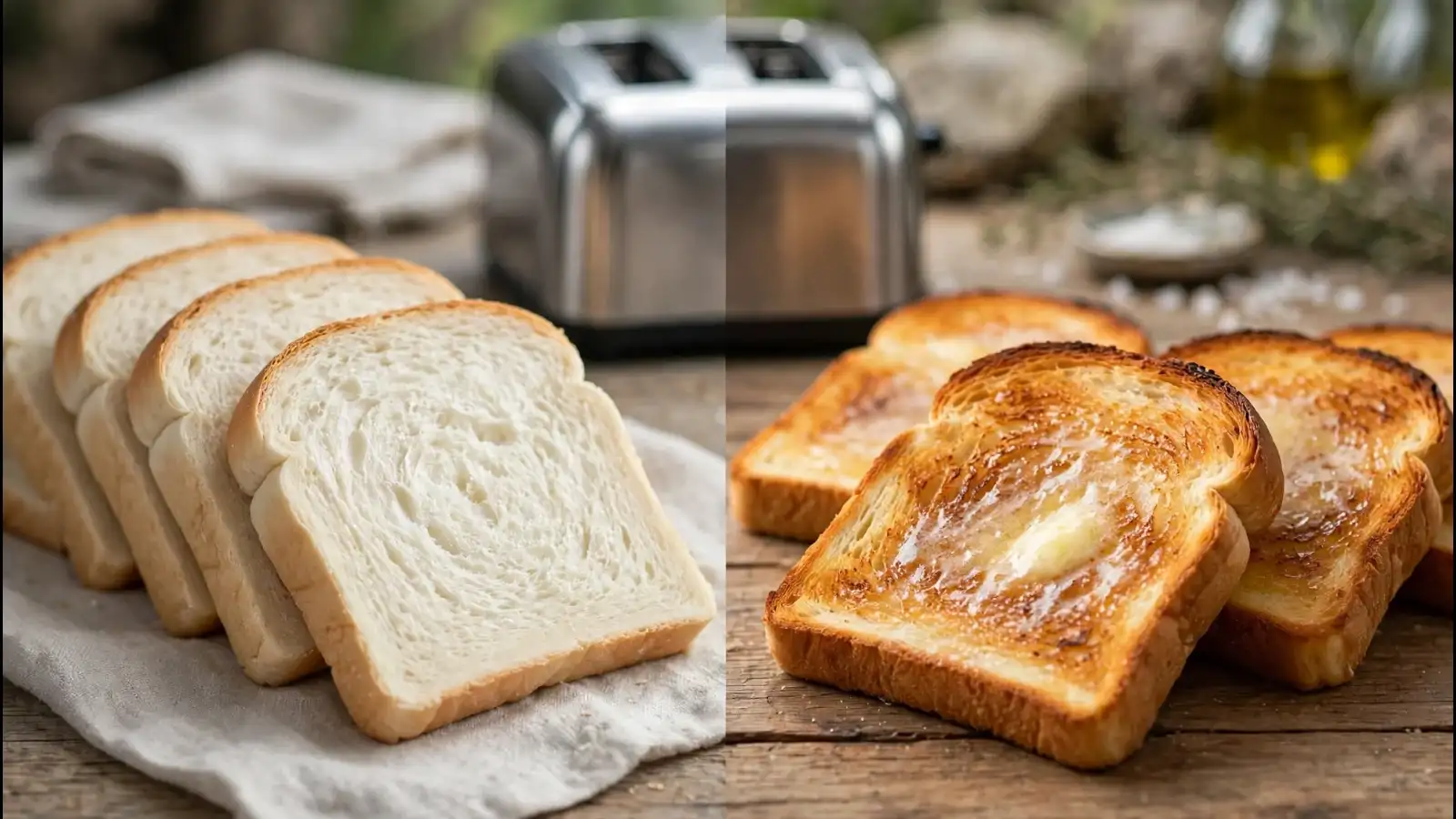
So, why does bread taste different when toasted? The answer lies in what heat does to the bread's surface. Toasting does not simply make bread warmer. It changes its chemistry, texture and moisture, creating flavours that were not as noticeable in the original slice.
Fresh bread contains water, carbohydrates, proteins and other compounds. When it is heated in a toaster, moisture near the surface begins to evaporate. This makes the outside drier and crispier while the inside can remain relatively soft.
That change in texture alone can make toast seem more flavourful because crispness affects how we experience food.
The result is a collection of new flavour and aroma compounds. These are responsible for the familiar browned colour and the rich, roasted smell associated with toast.
The Maillard reaction is also why foods such as roasted coffee, baked biscuits and grilled meat develop complex flavours when heated.
In bread, the reaction is particularly noticeable because the surface becomes hot and dry enough for browning to take place.
These aromas can make the bread seem richer and more satisfying even before we take a bite.
The contrast between the crunchy outside and softer centre also adds to the experience. A plain slice of bread has a relatively uniform texture, while toast offers several sensations at once.
A sweet bread may brown more quickly, while a dense wholemeal loaf can develop a darker, more robust flavour. This is why the science of bread toasting can produce noticeably different results depending on the loaf.
Ultimately, toast is not simply bread that has been heated. It is bread that has undergone a small chemical and physical transformation, which is why that familiar slice can suddenly taste completely new.
So, why does bread taste different when toasted? The answer lies in what heat does to the bread's surface. Toasting does not simply make bread warmer. It changes its chemistry, texture and moisture, creating flavours that were not as noticeable in the original slice.
Fresh bread contains water, carbohydrates, proteins and other compounds. When it is heated in a toaster, moisture near the surface begins to evaporate. This makes the outside drier and crispier while the inside can remain relatively soft.
That change in texture alone can make toast seem more flavourful because crispness affects how we experience food.
The Maillard reaction creates the flavour
One of the biggest reasons toasted bread flavour is so distinctive is the Maillard reaction. This happens when heat causes certain sugars and amino acids on the surface of food to react.The result is a collection of new flavour and aroma compounds. These are responsible for the familiar browned colour and the rich, roasted smell associated with toast.
The Maillard reaction is also why foods such as roasted coffee, baked biscuits and grilled meat develop complex flavours when heated.
In bread, the reaction is particularly noticeable because the surface becomes hot and dry enough for browning to take place.
Why does toast smell so good?
Our sense of smell plays a huge role in how we perceive taste. When bread is toasted, heat releases and creates volatile compounds that travel towards our nose.These aromas can make the bread seem richer and more satisfying even before we take a bite.
The contrast between the crunchy outside and softer centre also adds to the experience. A plain slice of bread has a relatively uniform texture, while toast offers several sensations at once.
Does every bread toast the same way?
Not quite. Different types of bread contain different amounts of moisture, sugar, fat and protein, so they can react differently to heat.A sweet bread may brown more quickly, while a dense wholemeal loaf can develop a darker, more robust flavour. This is why the science of bread toasting can produce noticeably different results depending on the loaf.
Ultimately, toast is not simply bread that has been heated. It is bread that has undergone a small chemical and physical transformation, which is why that familiar slice can suddenly taste completely new.
Next Story