
Why Does Chocolate Melt So Easily In Your Mouth?

There is something strangely satisfying about letting a piece of chocolate sit on your tongue and slowly disappear.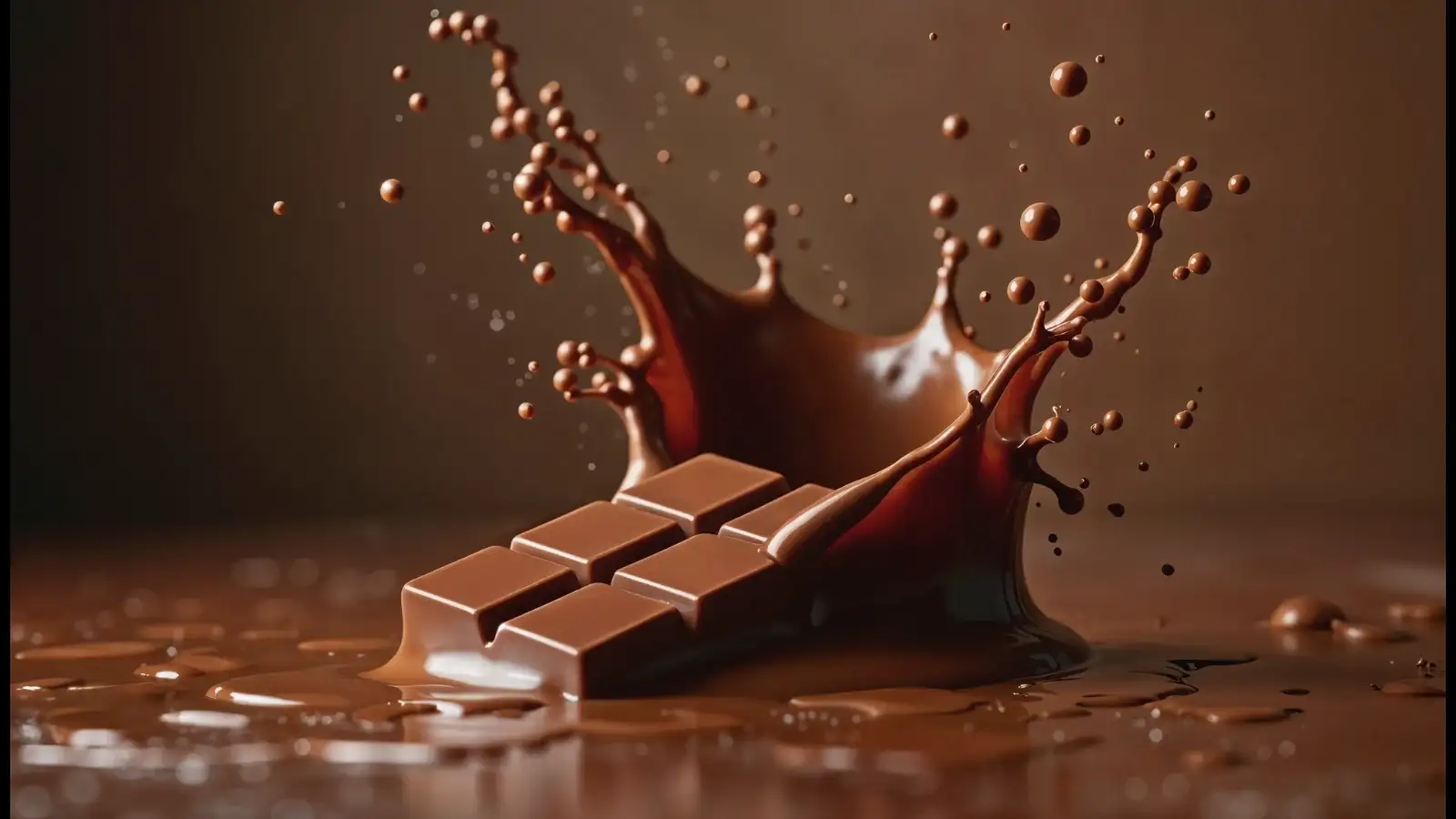
Unlike many snacks, chocolate does not need much chewing before it starts turning into a smooth, creamy sensation.
So, why does chocolate melt so easily in your mouth?
The answer is closely linked to the type of fat used to make chocolate and its melting point.
Cocoa butter has a melting range that is close to human body temperature.
That is extremely useful for chocolate.
At room temperature, good-quality chocolate can remain solid enough to hold its shape. But once it reaches the warmth of your mouth, the cocoa butter begins to melt.
This gives chocolate its distinctive melt-in-the-mouth quality.
The answer comes down to contact, exposure and temperature.
Your mouth provides a warm environment with saliva and continuous contact. A piece of chocolate resting on your tongue is exposed to body warmth from several directions, allowing it to soften quickly.
A chocolate bar held loosely between your fingers has less direct contact with a warm surface.
Of course, leave it in your hand long enough and it can absolutely melt.
Chocolate contains tiny particles of cocoa solids, sugar and other ingredients suspended within its fat.
When chocolate is properly processed and tempered, its cocoa butter forms a stable crystalline structure. This helps give the chocolate its characteristic snap, appearance and smooth melting behaviour.
Poorly handled chocolate can develop a rough or grainy texture because its fat and sugar structures change.
That changes the way they behave in the mouth.
Dark chocolate, milk chocolate and white chocolate can therefore have noticeably different melting sensations, even though cocoa butter plays an important role in each.
Its ingredients and structure give it a very specific physical behaviour. It remains solid under normal conditions but begins softening when exposed to the warmth of your mouth.
That is why a chocolate bar can sit neatly in its wrapper one moment and become a smooth, creamy treat a few seconds later.
In short, chocolate melts so easily because its cocoa butter is perfectly suited to temperatures close to our own body temperature.
It is one of the reasons chocolate feels less like something you eat and more like something that disappears.
Unlike many snacks, chocolate does not need much chewing before it starts turning into a smooth, creamy sensation.
So, why does chocolate melt so easily in your mouth?
The answer is closely linked to the type of fat used to make chocolate and its melting point.
Chocolate Is Designed Around A Narrow Temperature Range
One of the most important ingredients in chocolate is cocoa butter , the natural fat found in cocoa beans.Cocoa butter has a melting range that is close to human body temperature.
That is extremely useful for chocolate.
At room temperature, good-quality chocolate can remain solid enough to hold its shape. But once it reaches the warmth of your mouth, the cocoa butter begins to melt.
This gives chocolate its distinctive melt-in-the-mouth quality.
Why Doesn't It Melt Immediately In Your Hand?
Your hands are warm too, so why doesn't every chocolate bar instantly turn into liquid?The answer comes down to contact, exposure and temperature.
Your mouth provides a warm environment with saliva and continuous contact. A piece of chocolate resting on your tongue is exposed to body warmth from several directions, allowing it to soften quickly.
A chocolate bar held loosely between your fingers has less direct contact with a warm surface.
Of course, leave it in your hand long enough and it can absolutely melt.
The Texture Is Part Of The Experience
Chocolate isn't simply about melting. Its structure also determines how smooth it feels.Chocolate contains tiny particles of cocoa solids, sugar and other ingredients suspended within its fat.
When chocolate is properly processed and tempered, its cocoa butter forms a stable crystalline structure. This helps give the chocolate its characteristic snap, appearance and smooth melting behaviour.
Poorly handled chocolate can develop a rough or grainy texture because its fat and sugar structures change.
Why Does Dark Chocolate Feel Different?
Different types of chocolate contain different proportions of cocoa solids, sugar, milk ingredients and fat.That changes the way they behave in the mouth.
Dark chocolate, milk chocolate and white chocolate can therefore have noticeably different melting sensations, even though cocoa butter plays an important role in each.
A Carefully Balanced Snack
Chocolate's melt-in-the-mouth quality is not simply an accident.Its ingredients and structure give it a very specific physical behaviour. It remains solid under normal conditions but begins softening when exposed to the warmth of your mouth.
That is why a chocolate bar can sit neatly in its wrapper one moment and become a smooth, creamy treat a few seconds later.
In short, chocolate melts so easily because its cocoa butter is perfectly suited to temperatures close to our own body temperature.
It is one of the reasons chocolate feels less like something you eat and more like something that disappears.
Next Story