
Why Does Food Taste Different When Eaten From a Banana Leaf?

A traditional meal served on a fresh banana leaf can feel different even before the first bite. The green surface, the arrangement of rice and curries, and the way hot food is placed on the leaf all contribute to the experience. Across parts of India, particularly in the south, banana leaf dining remains a familiar feature of festivals, weddings and everyday meals. But does the leaf actually change the taste of the food?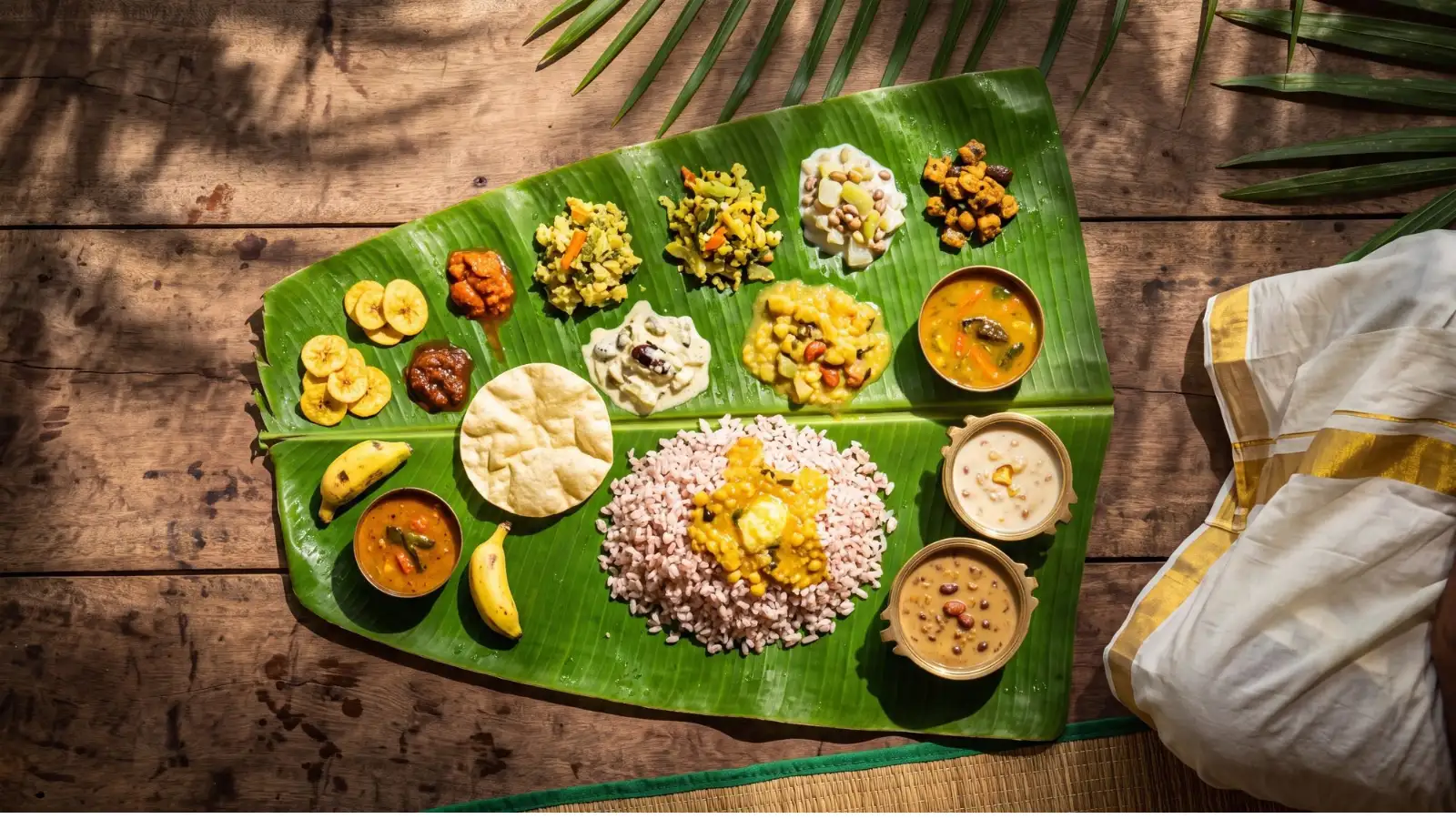
The effect is not the same for every dish, and a banana leaf does not automatically make food taste better. However, smell plays an important role in flavour perception. What we experience as taste is influenced by aromas reaching the nose, along with the texture and temperature of the food.
Serving food on a leaf is different from cooking food inside one, however. A meal served on a banana leaf does not necessarily undergo the same flavour changes as a dish steamed or roasted in a leaf parcel.
The leaf also changes the practical experience of eating. Its surface is flexible rather than rigid, and diners may fold it or arrange food in a familiar order. In traditional settings, the meal may be served as part of a larger ritual or gathering, making the experience feel more memorable.
This does not mean the taste is imaginary. Aroma, appearance, texture, temperature and memory can all contribute to the overall experience of eating.
Ultimately, food served on a banana leaf feels different because eating is a multi-sensory experience. The leaf adds its own appearance, aroma and cultural meaning to the meal. Sometimes, what makes a familiar dish memorable is not a new ingredient but the way it reaches the table.
The aroma of a fresh banana leaf
One reason banana leaf meals can seem distinctive is aroma. Fresh leaves have a mild, green, plant-like smell. When hot rice or cooked food is placed on them, the warmth may release some of this aroma, adding a subtle sensory element to the meal.The effect is not the same for every dish, and a banana leaf does not automatically make food taste better. However, smell plays an important role in flavour perception. What we experience as taste is influenced by aromas reaching the nose, along with the texture and temperature of the food.
Heat, moisture and food texture
Banana leaves are flexible and contain natural moisture. When hot food is placed on a leaf, the contact between the two can influence how the meal feels and smells. Some preparations are also wrapped in banana leaves during cooking, where the wrapping can help retain moisture and carry a gentle leafy aroma into the food.Serving food on a leaf is different from cooking food inside one, however. A meal served on a banana leaf does not necessarily undergo the same flavour changes as a dish steamed or roasted in a leaf parcel.
You may also like
- When we chase the fruit, we lose joy of action
- Artisans bring India's craft heritage to Pune
- Psychology says people who constantly notice tiny flaws in their face may be caught in a cycle of self-scrutiny, where the more they inspect their appearance, the harder it becomes to feel satisfied with it
- Maya Kamaty's musical mix wows Punekars
- Man finds a brand-new car scratched overnight outside his home; viral post sparks debate over jealousy and damage to personal property
Why the meal looks and feels special
Food is experienced through more than flavour alone. The visual presentation of a meal can influence how appetising it seems, and a broad banana leaf provides a distinctive natural backdrop for colourful curries, rice, vegetables, pickles and sweets.The leaf also changes the practical experience of eating. Its surface is flexible rather than rigid, and diners may fold it or arrange food in a familiar order. In traditional settings, the meal may be served as part of a larger ritual or gathering, making the experience feel more memorable.
Tradition is part of the flavour
In many Indian households, banana leaf dining is associated with festivals, temple meals, weddings and family celebrations. These memories can influence how people perceive the food. A meal linked to a familiar occasion may feel more satisfying because of the setting, company and expectations surrounding it.This does not mean the taste is imaginary. Aroma, appearance, texture, temperature and memory can all contribute to the overall experience of eating.
Is a banana leaf better than a plate?
Banana leaves offer a traditional serving option and can reduce the need for disposable plates in settings where fresh leaves are readily available. However, they are not automatically the best choice in every situation. Cleanliness, sourcing, convenience and waste management all matter.Ultimately, food served on a banana leaf feels different because eating is a multi-sensory experience. The leaf adds its own appearance, aroma and cultural meaning to the meal. Sometimes, what makes a familiar dish memorable is not a new ingredient but the way it reaches the table.






Loving Newspoint? Download the app now
