
Why Does the Return Journey Feel Shorter Than the Outward Journey?

A long drive to a holiday destination can feel endless, yet the journey home seems to pass in a flash. The same roads, traffic signals and stretches of highway may be involved, but the experience feels different. This familiar travel experience is sometimes called the return journey effect . It describes the feeling that a trip back takes less time than the outward journey, even when both journeys last roughly the same amount of time.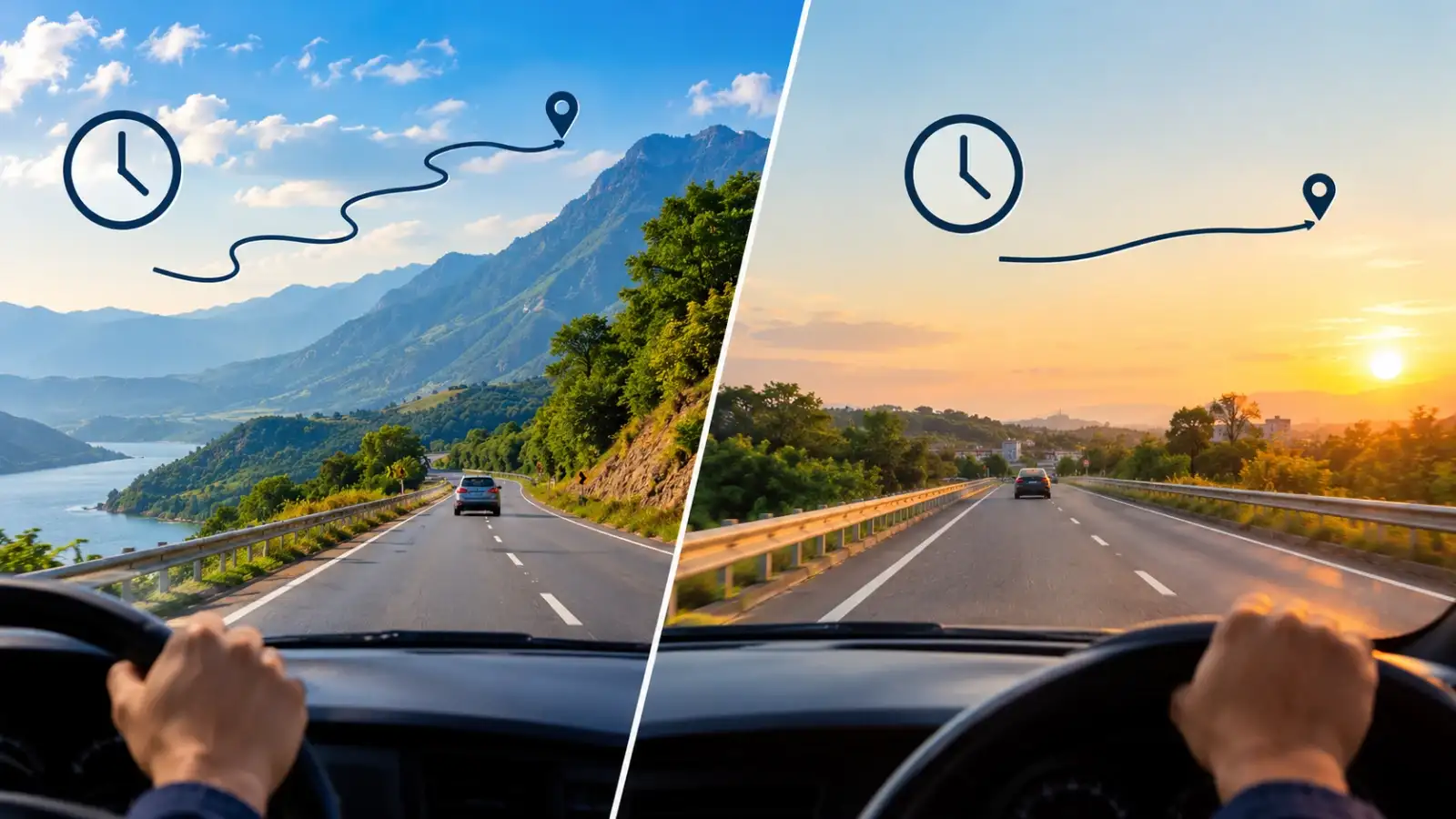
This extra attention can make the journey feel more eventful. We may also keep checking the time or estimating how long remains before arrival. When our attention repeatedly returns to the passage of time, the journey can seem slower.
On a familiar return route, there may be fewer surprises to process. We already know which turn comes next and what the road looks like, so the trip can feel less demanding.
Research on the return journey effect has suggested that expectations about travel duration may help explain this experience. When the outward trip takes longer than we expected, the return can feel shorter by comparison, even if its actual duration is similar.
This does not mean every return journey will feel quicker. Traffic, fatigue, weather and delays can easily change the experience.
The destination itself matters, too. When we are returning home after a holiday, work trip or family visit, we may be looking forward to familiar comforts. That anticipation can influence how we experience the remaining distance.
However, there is no single explanation for every person's experience. Attention, expectations, mood and the circumstances of a journey can all play a role.
Our experience of time is not always a precise reflection of elapsed minutes. A journey filled with new sights and frequent checks of the clock can feel very different from a familiar route travelled without much thought.
The next time the trip home seems surprisingly quick, consider what changed. The road may be the same, but your expectations, attention and familiarity with the route are not.
The unfamiliar journey gets more attention
When travelling somewhere for the first time, we tend to pay close attention to the surroundings. We look for landmarks, check directions, notice unfamiliar buildings and wonder how much farther we have to go.This extra attention can make the journey feel more eventful. We may also keep checking the time or estimating how long remains before arrival. When our attention repeatedly returns to the passage of time, the journey can seem slower.
On a familiar return route, there may be fewer surprises to process. We already know which turn comes next and what the road looks like, so the trip can feel less demanding.
Expectations can change our perception
Our expectations also influence how we experience travel. If the outward journey feels longer than expected, we may anticipate a similarly tiring return. But if the route is now familiar, the experience can seem easier than we imagined.You may also like
- Attention, married women! Certain mistakes on Karva Chauth can spoil your fast..
- Psychology says people who stay quiet in office meetings often aren't short of ideas, they may be overestimating how harshly others will judge them
- Pilgrimages made easier for the elderly! From Kashi Vishwanath to Vaishno Devi—find out more..
- When we chase the fruit, we lose joy of action
- Artisans bring India's craft heritage to Pune
Research on the return journey effect has suggested that expectations about travel duration may help explain this experience. When the outward trip takes longer than we expected, the return can feel shorter by comparison, even if its actual duration is similar.
This does not mean every return journey will feel quicker. Traffic, fatigue, weather and delays can easily change the experience.
Familiarity makes travel feel different
Familiar surroundings require less active exploration. On the way to a new place, we may be watching for a landmark or wondering whether we are on the correct road. On the way back, those same landmarks can reassure us that we are heading in the right direction.The destination itself matters, too. When we are returning home after a holiday, work trip or family visit, we may be looking forward to familiar comforts. That anticipation can influence how we experience the remaining distance.
However, there is no single explanation for every person's experience. Attention, expectations, mood and the circumstances of a journey can all play a role.
Does the return trip actually take less time?
Not necessarily. A return journey may be shorter because of a different route, lighter traffic or fewer stops. But when the outward and return trips take similar amounts of time, the feeling that one passed faster does not prove that it did.Our experience of time is not always a precise reflection of elapsed minutes. A journey filled with new sights and frequent checks of the clock can feel very different from a familiar route travelled without much thought.
The next time the trip home seems surprisingly quick, consider what changed. The road may be the same, but your expectations, attention and familiarity with the route are not.






Loving Newspoint? Download the app now
