
The Fibre Boom: How One Overlooked Nutrient Became a Wellness Superstar

Think back to the last time you went grocery shopping. You probably noticed labels proudly announcing "High in Protein" or "Packed with Fibre". A few years ago, it was almost impossible to find a food brand that wasn't adding extra protein to its products. Now, the conversation has shifted. Overnight oats, chia puddings, fruit bowls, lentil salads, and even breakfast cereals are being celebrated, not because they're low in calories, but because they're rich in fibre.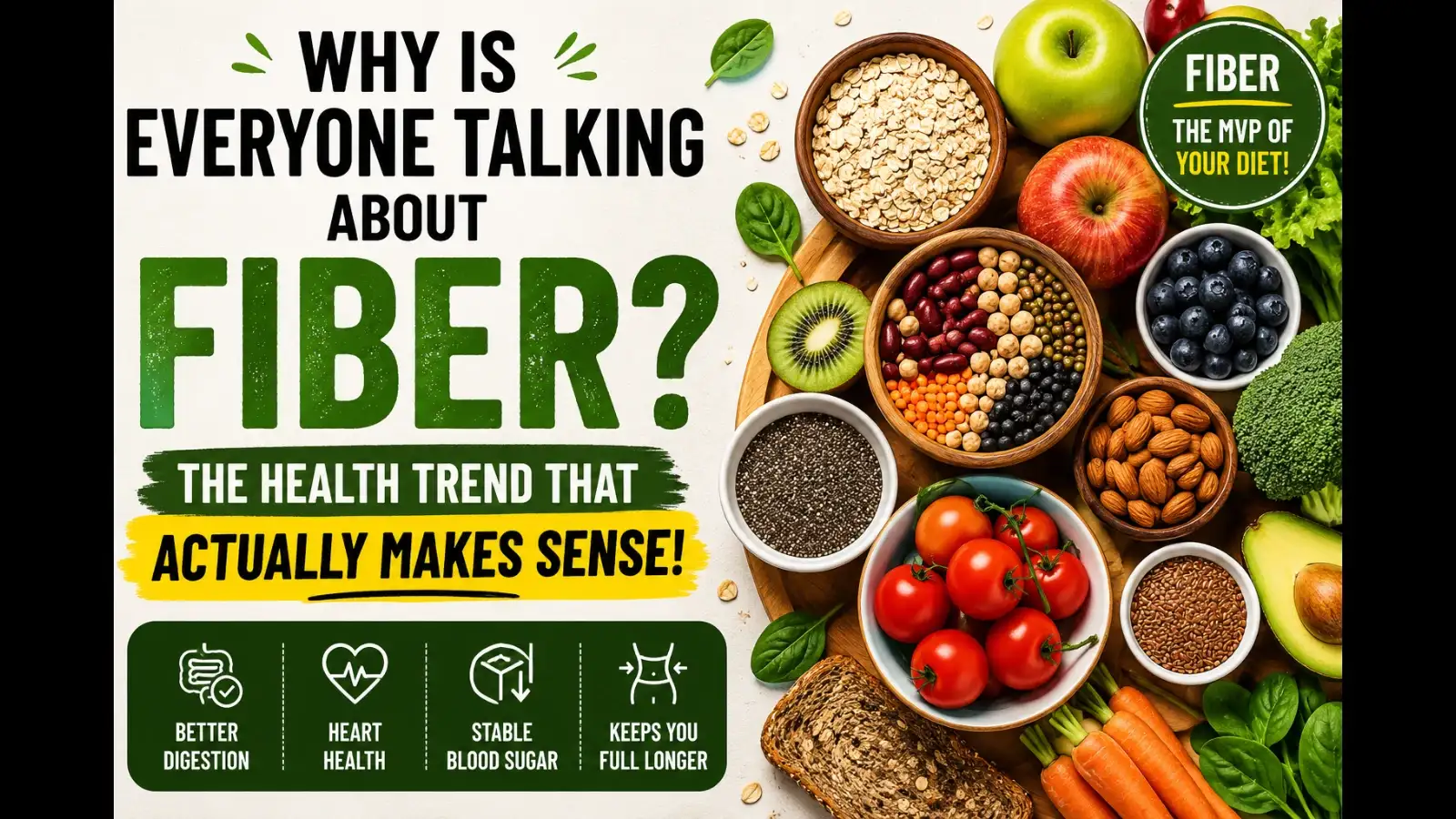
Scroll through Instagram or TikTok, and you'll see influencers comparing how many grams of fibre are in their meals. Nutritionists are sharing simple ways to increase fibre intake, and food companies are redesigning their packaging to make sure "high-fibre" is impossible to miss. It almost feels as though fibre appeared out of nowhere. But the truth is, it didn't. We've just spent years overlooking it.
For many of us, fibre was something we only associated with digestion. If someone mentioned it, we immediately thought about cereals our grandparents ate or advice we'd hear when we had an upset stomach. But science has always painted a much bigger picture.
Fibre helps keep our digestive system healthy, supports heart health, helps regulate blood sugar levels, and keeps us feeling full for longer after meals. In recent years, researchers have also discovered just how important it is for the trillions of beneficial bacteria living inside our gut. The strange thing is that fibre hasn't changed. Our understanding of it has.
As more people became interested in gut health and long-term wellness, fibre naturally entered the conversation. Doctors and dietitians began pointing out something surprising: despite being found in everyday foods, many adults still don't eat enough fibre. Once that message reached social media, it spread quickly.
Suddenly, recipes featuring beans, lentils, oats, fruits, vegetables, and whole grains weren't just healthy; they became trendy. Unlike many wellness crazes, this one wasn't about discovering a miracle ingredient from the other side of the world. It was about appreciating foods that had been sitting in our kitchens all along.
Here's where fiber comes in. Unlike many other nutrients, fibre travels through the digestive system without being fully broken down. Instead, it becomes food for these beneficial bacteria. When they're well-fed, they thrive, and when they thrive, so do we.
Researchers are still learning more about this fascinating relationship, but one thing is becoming increasingly clear: a healthy gut depends on a varied, fibre-rich diet. And that's one of the biggest reasons fibre is finally getting the attention it deserves.
Scroll through Instagram or TikTok, and you'll see influencers comparing how many grams of fibre are in their meals. Nutritionists are sharing simple ways to increase fibre intake, and food companies are redesigning their packaging to make sure "high-fibre" is impossible to miss. It almost feels as though fibre appeared out of nowhere. But the truth is, it didn't. We've just spent years overlooking it.
The Nutrient We Never Really Talked About
Fibre has always been the quiet achiever of nutrition. Unlike protein, it never got flashy advertising campaigns or celebrity endorsements. Nobody boasted about eating enough vegetables because they were high in fibre, and very few people checked food labels to see how much fibre their breakfast contained.For many of us, fibre was something we only associated with digestion. If someone mentioned it, we immediately thought about cereals our grandparents ate or advice we'd hear when we had an upset stomach. But science has always painted a much bigger picture.
Fibre helps keep our digestive system healthy, supports heart health, helps regulate blood sugar levels, and keeps us feeling full for longer after meals. In recent years, researchers have also discovered just how important it is for the trillions of beneficial bacteria living inside our gut. The strange thing is that fibre hasn't changed. Our understanding of it has.
You may also like
- My Violin, Amar Akbar Anthony and the Music of India's Unity
- Who is Zarna Garg? The Indian-born comedian whose emotional Instagram post about mothers, dreams and second chances is touching millions
- Kangana Ranaut Celebrates National Handloom Day, Advocates for Indian Textile Heritage
- Preparations Underway to Impose New Levy on LPG Cylinders; Costs Likely to Rise
- Building a Healthy Workforce through Reproductive Healthcare Benefits
So, Why Is Everyone Talking About It Now?
Part of the answer lies in the way our conversations about health have evolved. A decade ago, most people were focused on one thing, losing weight. Today, the questions are different.As more people became interested in gut health and long-term wellness, fibre naturally entered the conversation. Doctors and dietitians began pointing out something surprising: despite being found in everyday foods, many adults still don't eat enough fibre. Once that message reached social media, it spread quickly.
Suddenly, recipes featuring beans, lentils, oats, fruits, vegetables, and whole grains weren't just healthy; they became trendy. Unlike many wellness crazes, this one wasn't about discovering a miracle ingredient from the other side of the world. It was about appreciating foods that had been sitting in our kitchens all along.
Your Gut Has Been Waiting for This
Inside your digestive system lives an entire community of microorganisms known as the gut microbiome . While the idea of bacteria inside our bodies might sound alarming, many of them play an essential role in keeping us healthy. They help break down food, produce important compounds, and support our immune system.Here's where fiber comes in. Unlike many other nutrients, fibre travels through the digestive system without being fully broken down. Instead, it becomes food for these beneficial bacteria. When they're well-fed, they thrive, and when they thrive, so do we.
Researchers are still learning more about this fascinating relationship, but one thing is becoming increasingly clear: a healthy gut depends on a varied, fibre-rich diet. And that's one of the biggest reasons fibre is finally getting the attention it deserves.






Loving Newspoint? Download the app now
