
Why Farmers' Markets Are Attracting Young Shoppers in 2026

It isn't because farmers' markets suddenly became trendy overnight. People's relationship with shopping has changed. Young consumers aren't just looking for the cheapest option anymore; they're paying attention to where their food comes from, who they're buying it from, and what kind of impact their purchases leave behind. For many, a visit to the local market has become less about buying groceries and more about making better choices.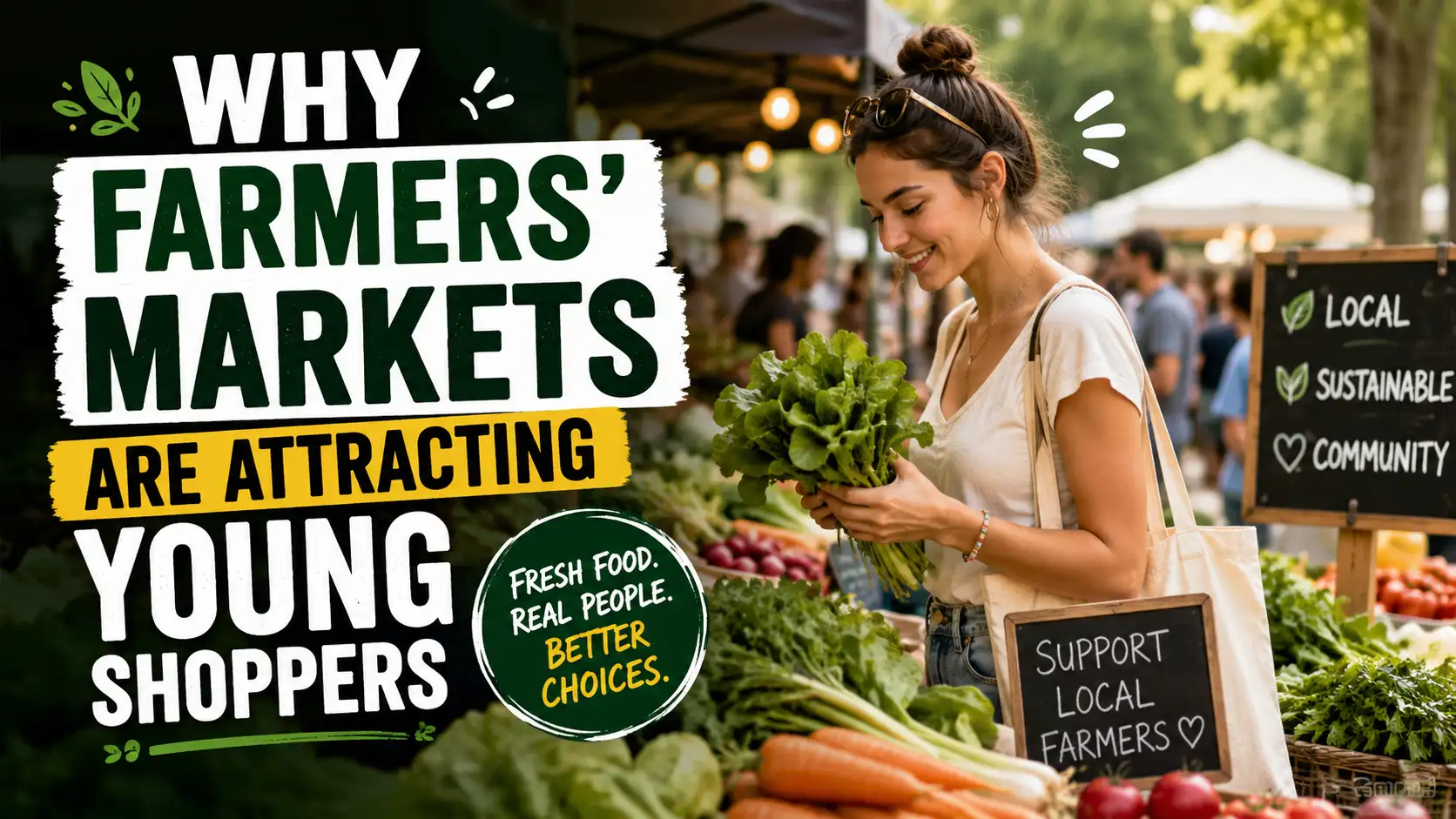
Ask anyone who shops regularly at a farmers' market, and they'll probably mention the vegetables first. The tomatoes don't all look perfectly round, the spinach may still have a little soil on it, and the coriander smells stronger than the packet bought from a supermarket. That's exactly what attracts people.
Most of the produce reaches the market soon after being harvested. It hasn't spent days travelling across states or sitting inside cold storage. You can often taste the difference, especially in seasonal fruits and vegetables. Many young people who have recently started cooking for themselves say fresh ingredients make even simple meals feel special.
In a supermarket, groceries usually come with a barcode and a brand name. At a farmers' market, they come with a conversation. You can ask a farmer how the vegetables were grown, which mangoes are sweetest this week, or how to cook an unfamiliar leafy green. These small interactions make shopping feel personal instead of mechanical.
There's also something satisfying about knowing your money is going directly to someone who grew the food rather than passing through several companies first.
Young shoppers today often think beyond the price tag. Many carry reusable bags, avoid unnecessary plastic packaging, and prefer buying seasonal produce instead of imported items. Farmers' markets naturally fit into that mindset. The food usually travels a shorter distance, packaging is minimal, and waste is often lower.
No one believes a single shopping trip will change the world. But many believe that small habits, repeated every week, can make a difference over time.
One reason supermarkets rarely become weekend plans is that they're built for speed. You walk in, pick what you need, pay, and leave. Farmers' markets feel different. Someone is selling homemade pickles. A bakery has just taken fresh bread out of the oven. There's a flower stall that catches your eye even if you didn't plan on buying flowers.
Children run around while local musicians perform nearby. Before you know it, you've spent an hour there without checking your phone. That slower pace is something many young people genuinely enjoy in a world where almost everything else feels rushed.
Another reason behind this growing interest is the desire to support small businesses. It could be a family that’s been selling honey for years or a young baker selling handmade sourdough; every purchase has a face behind it.
People like to know that their money is going to help real people, not just dissipate into a big retail chain. That sense of connection is difficult to find elsewhere.
Calling farmers' markets a trend doesn't quite capture what's happening. They reflect a bigger shift in the way young people think about food, money, and community. But convenience still matters, and supermarkets will always have their place. But more young shoppers are heading to open-air markets every weekend because they offer something supermarkets cannot: a chance to slow down, discover something new, and feel connected to the people and places around them.
Sometimes buying vegetables is conversations, familiar faces, and small moments that make an otherwise normal weekend surprisingly memorable. Perhaps that’s why farmers’ markets are winning over a new generation.
Fresh Food That Actually Feels Fresh
Ask anyone who shops regularly at a farmers' market, and they'll probably mention the vegetables first. The tomatoes don't all look perfectly round, the spinach may still have a little soil on it, and the coriander smells stronger than the packet bought from a supermarket. That's exactly what attracts people.
Most of the produce reaches the market soon after being harvested. It hasn't spent days travelling across states or sitting inside cold storage. You can often taste the difference, especially in seasonal fruits and vegetables. Many young people who have recently started cooking for themselves say fresh ingredients make even simple meals feel special.
People Like Knowing Who They're Buying From
In a supermarket, groceries usually come with a barcode and a brand name. At a farmers' market, they come with a conversation. You can ask a farmer how the vegetables were grown, which mangoes are sweetest this week, or how to cook an unfamiliar leafy green. These small interactions make shopping feel personal instead of mechanical.
There's also something satisfying about knowing your money is going directly to someone who grew the food rather than passing through several companies first.
You may also like
- The hidden purpose of clothespin holes: How this overlooked design helps clothes stay secure and reduces peg marks
- Cooker Hacks: Cooker Whistle Spraying Water? These Simple Tricks Will Fix It!
- Ghosting has left dating apps — now we ghost friends, colleagues and family
- Got an upper berth on the train? Here's how you can get a lower berth.
- India PMI Data: Service sector growth hits a 4-year low in July; here's why
Shopping Is Becoming More Conscious
Young shoppers today often think beyond the price tag. Many carry reusable bags, avoid unnecessary plastic packaging, and prefer buying seasonal produce instead of imported items. Farmers' markets naturally fit into that mindset. The food usually travels a shorter distance, packaging is minimal, and waste is often lower.
No one believes a single shopping trip will change the world. But many believe that small habits, repeated every week, can make a difference over time.
It's an Experience, Not Just an errand
One reason supermarkets rarely become weekend plans is that they're built for speed. You walk in, pick what you need, pay, and leave. Farmers' markets feel different. Someone is selling homemade pickles. A bakery has just taken fresh bread out of the oven. There's a flower stall that catches your eye even if you didn't plan on buying flowers.
Children run around while local musicians perform nearby. Before you know it, you've spent an hour there without checking your phone. That slower pace is something many young people genuinely enjoy in a world where almost everything else feels rushed.
Supporting Local Feels Good
Another reason behind this growing interest is the desire to support small businesses. It could be a family that’s been selling honey for years or a young baker selling handmade sourdough; every purchase has a face behind it.
People like to know that their money is going to help real people, not just dissipate into a big retail chain. That sense of connection is difficult to find elsewhere.
More Than a Passing Trend
Calling farmers' markets a trend doesn't quite capture what's happening. They reflect a bigger shift in the way young people think about food, money, and community. But convenience still matters, and supermarkets will always have their place. But more young shoppers are heading to open-air markets every weekend because they offer something supermarkets cannot: a chance to slow down, discover something new, and feel connected to the people and places around them.
Sometimes buying vegetables is conversations, familiar faces, and small moments that make an otherwise normal weekend surprisingly memorable. Perhaps that’s why farmers’ markets are winning over a new generation.






Loving Newspoint? Download the app now
