
Can Fish Suffocate Underwater? The Surprising Truth Beneath the Surface

Fish spend their entire lives in water, so it seems impossible that they could struggle to breathe there. Yet every year, lakes, rivers, and oceans witness mysterious fish deaths linked to one simple problem: a lack of oxygen. Fish may not drown like humans, but they can absolutely suffocate. The reasons behind it reveal a hidden side of underwater life that many people never consider.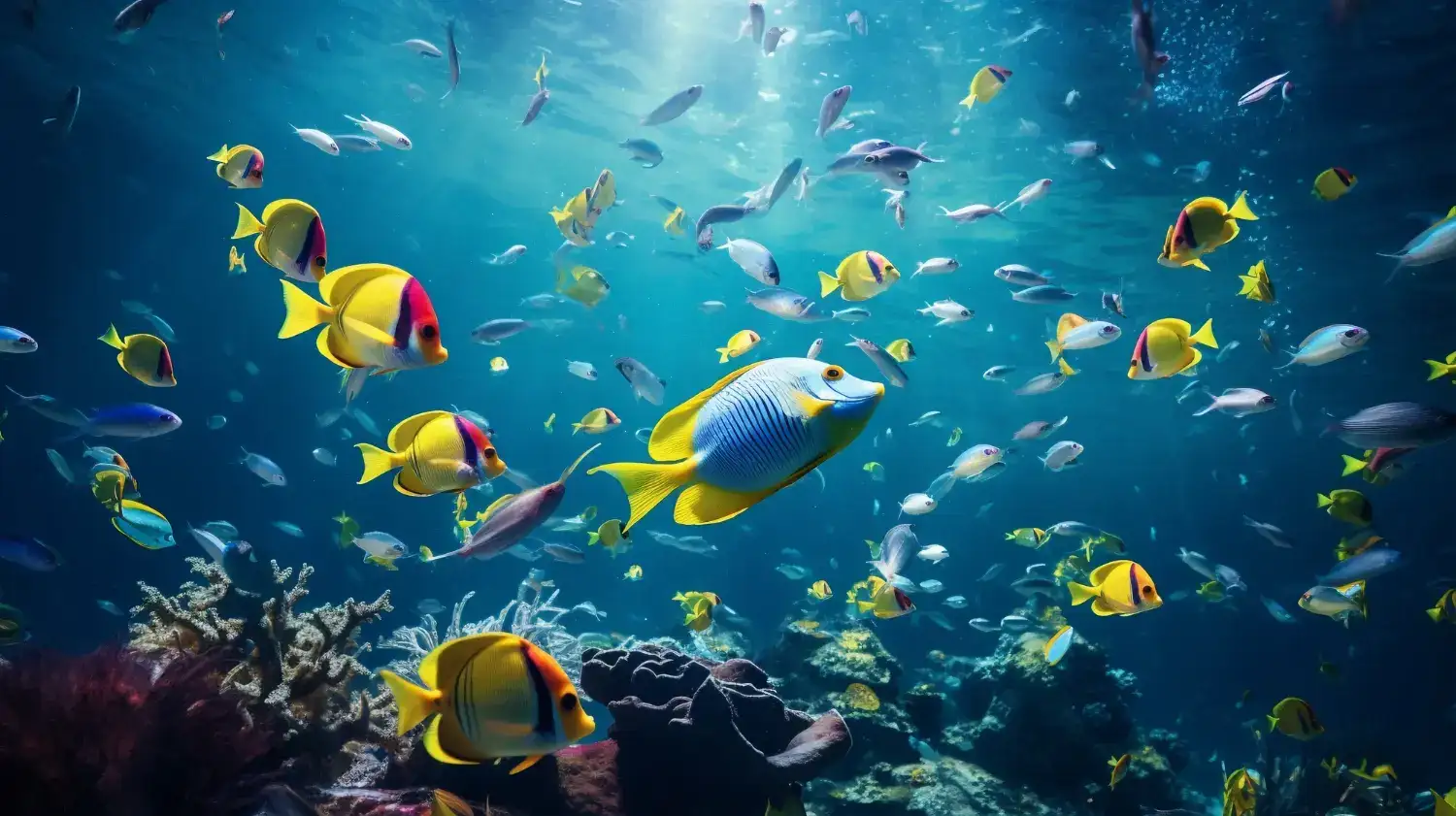
Water Isn't What Fish Actually Breathe
It may sound surprising, but fish do not breathe water itself. They rely on the dissolved oxygen mixed within it. Their gills extract this oxygen and deliver it to the bloodstream.
When oxygen levels drop, fish become stressed and often swim near the surface, where oxygen is more abundant. Warm weather, pollution, and overcrowded water bodies can all reduce oxygen levels, turning an apparently healthy pond or lake into a dangerous environment.
Gills: The Lifeline Fish Cannot Live Without
A fish's ability to survive depends entirely on healthy gills. These delicate organs need a steady flow of clean, oxygen-rich water to function properly.
Disease, chemical contamination, mud, or debris can damage gills and make breathing difficult. Some species, including certain sharks, must keep moving constantly so water continues to pass over their gills. Without that flow, oxygen intake drops dramatically.
Why Heat Can Turn Water Deadly
One of the biggest threats to fish is something most people enjoy: warm weather.
Cold water naturally holds more oxygen than warm water. As temperatures rise, oxygen levels fall. During intense summer heat or prolonged heatwaves, lakes and rivers can quickly become low-oxygen zones.
This is why large-scale fish deaths often occur during hot months. With global temperatures increasing, many aquatic ecosystems are facing growing pressure from oxygen shortages.
What Happens When Fish Leave the Water?
Outside water, a fish's gills lose their ability to work properly. In water, the gill structures remain open and efficient. In air, they collapse and stick together, preventing oxygen absorption.
As a result, most fish suffocate within a short time after being removed from water. However, nature has a few remarkable exceptions. Species such as lungfish can breathe air directly and survive for extended periods outside water, showcasing incredible evolutionary adaptations.
The Warning Sign Many People Miss
Fish gathering at the water's surface is often more than unusual behavior, it can be a distress signal.
Low oxygen levels force fish to seek the small amount of oxygen available near the top. Pollution, sewage, chemical runoff, and excessive algae growth can make the situation even worse. When algae die and decompose, they consume large amounts of oxygen, leaving little behind for aquatic life.
The most alarming part is that these underwater crises often happen silently. A calm-looking lake may hide a serious oxygen shortage, with fish fighting for survival beneath the surface.
The Hidden Struggle Underwater
Water may seem like the safest place for a fish, but survival depends on far more than simply being submerged. Clean water, healthy gills, and sufficient oxygen are essential every second of a fish's life. When any of these factors fail, fish can slowly suffocate in the very environment they call home, a reminder that even underwater, breathing is never guaranteed.
Water Isn't What Fish Actually Breathe
It may sound surprising, but fish do not breathe water itself. They rely on the dissolved oxygen mixed within it. Their gills extract this oxygen and deliver it to the bloodstream. When oxygen levels drop, fish become stressed and often swim near the surface, where oxygen is more abundant. Warm weather, pollution, and overcrowded water bodies can all reduce oxygen levels, turning an apparently healthy pond or lake into a dangerous environment.
Gills: The Lifeline Fish Cannot Live Without
A fish's ability to survive depends entirely on healthy gills. These delicate organs need a steady flow of clean, oxygen-rich water to function properly. Disease, chemical contamination, mud, or debris can damage gills and make breathing difficult. Some species, including certain sharks, must keep moving constantly so water continues to pass over their gills. Without that flow, oxygen intake drops dramatically.
Why Heat Can Turn Water Deadly
One of the biggest threats to fish is something most people enjoy: warm weather. Cold water naturally holds more oxygen than warm water. As temperatures rise, oxygen levels fall. During intense summer heat or prolonged heatwaves, lakes and rivers can quickly become low-oxygen zones.
This is why large-scale fish deaths often occur during hot months. With global temperatures increasing, many aquatic ecosystems are facing growing pressure from oxygen shortages.
What Happens When Fish Leave the Water?
Outside water, a fish's gills lose their ability to work properly. In water, the gill structures remain open and efficient. In air, they collapse and stick together, preventing oxygen absorption.As a result, most fish suffocate within a short time after being removed from water. However, nature has a few remarkable exceptions. Species such as lungfish can breathe air directly and survive for extended periods outside water, showcasing incredible evolutionary adaptations.
The Warning Sign Many People Miss
Fish gathering at the water's surface is often more than unusual behavior, it can be a distress signal. Low oxygen levels force fish to seek the small amount of oxygen available near the top. Pollution, sewage, chemical runoff, and excessive algae growth can make the situation even worse. When algae die and decompose, they consume large amounts of oxygen, leaving little behind for aquatic life.
The most alarming part is that these underwater crises often happen silently. A calm-looking lake may hide a serious oxygen shortage, with fish fighting for survival beneath the surface.
The Hidden Struggle Underwater
Water may seem like the safest place for a fish, but survival depends on far more than simply being submerged. Clean water, healthy gills, and sufficient oxygen are essential every second of a fish's life. When any of these factors fail, fish can slowly suffocate in the very environment they call home, a reminder that even underwater, breathing is never guaranteed. Next Story