
Why Flamingos Are Pink: The Fascinating Truth Behind Their Color

Flamingos are among the most recognizable birds in the world, admired for their elegant appearance and striking pink feathers. But contrary to what many people think, flamingos are not born pink. Their vibrant color develops over time and is closely linked to their diet. Here's a closer look at the fascinating science behind why flamingos are pink .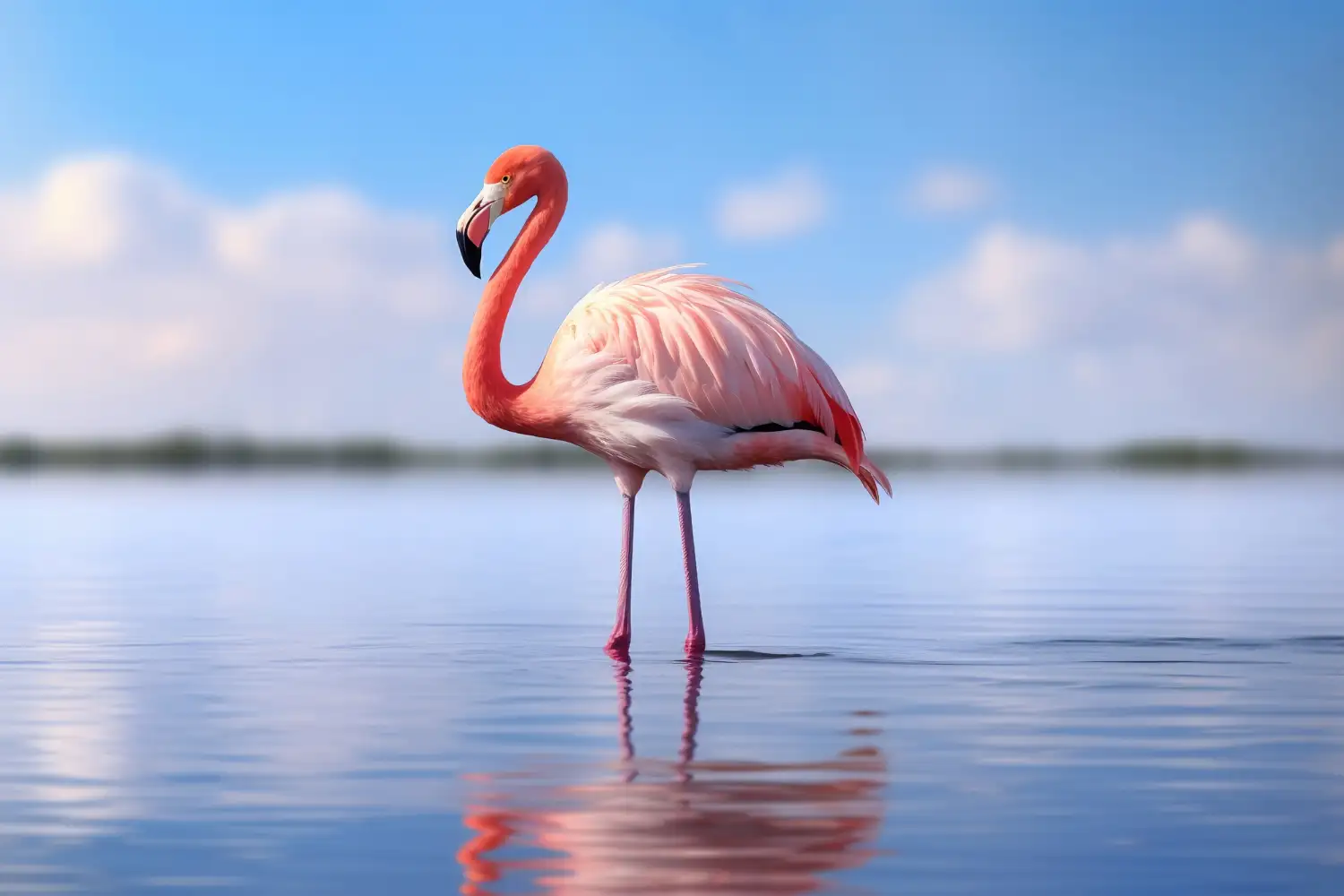
Flamingos Are Born Gray or White
Newly hatched flamingo chicks are covered in soft gray or white down feathers. Their straight bills also look very different from the curved bills of adults. As they grow and begin eating the same foods as adult flamingos, their feathers gradually start changing color. It may take several years for young flamingos to develop their full adult plumage.
The Secret Lies in Their Diet
The pink color comes from natural pigments called carotenoids. Flamingos consume these pigments by eating algae, tiny crustaceans such as brine shrimp, and other small aquatic organisms that naturally contain carotenoids. These same pigments are also responsible for the orange color of carrots and the red color of some peppers and tomatoes.
How Carotenoids Change Feather Color
After flamingos eat carotenoid-rich food, their digestive system breaks down the pigments. The pigments are then absorbed into the bloodstream and deposited in growing feathers, skin, and even parts of the bill and legs. Over time, repeated consumption of carotenoid-rich foods gives flamingos their famous pink, coral, or reddish appearance.
Not All Flamingos Look the Same
The intensity of a flamingo's color varies depending on its species, diet, health, and age. Birds with access to more carotenoid-rich food often display brighter pink or reddish feathers, while those with fewer pigments in their diet may appear pale pink or even almost white. Different flamingo species also naturally vary in coloration.
Flamingos Are Born Gray or White
Newly hatched flamingo chicks are covered in soft gray or white down feathers. Their straight bills also look very different from the curved bills of adults. As they grow and begin eating the same foods as adult flamingos, their feathers gradually start changing color. It may take several years for young flamingos to develop their full adult plumage. The Secret Lies in Their Diet
The pink color comes from natural pigments called carotenoids. Flamingos consume these pigments by eating algae, tiny crustaceans such as brine shrimp, and other small aquatic organisms that naturally contain carotenoids. These same pigments are also responsible for the orange color of carrots and the red color of some peppers and tomatoes.How Carotenoids Change Feather Color
After flamingos eat carotenoid-rich food, their digestive system breaks down the pigments. The pigments are then absorbed into the bloodstream and deposited in growing feathers, skin, and even parts of the bill and legs. Over time, repeated consumption of carotenoid-rich foods gives flamingos their famous pink, coral, or reddish appearance. Not All Flamingos Look the Same
The intensity of a flamingo's color varies depending on its species, diet, health, and age. Birds with access to more carotenoid-rich food often display brighter pink or reddish feathers, while those with fewer pigments in their diet may appear pale pink or even almost white. Different flamingo species also naturally vary in coloration.Next Story