
Why Flamingos Stand On One Leg And What Scientists Have Discovered About This Unusual Behaviour

Flamingos are among the most recognisable birds in the world, known for their pink feathers, curved necks and remarkable ability to stand on one leg for long periods. Whether resting in shallow water or gathered in large flocks, these birds are often seen balancing effortlessly on a single leg while the other remains tucked beneath their body.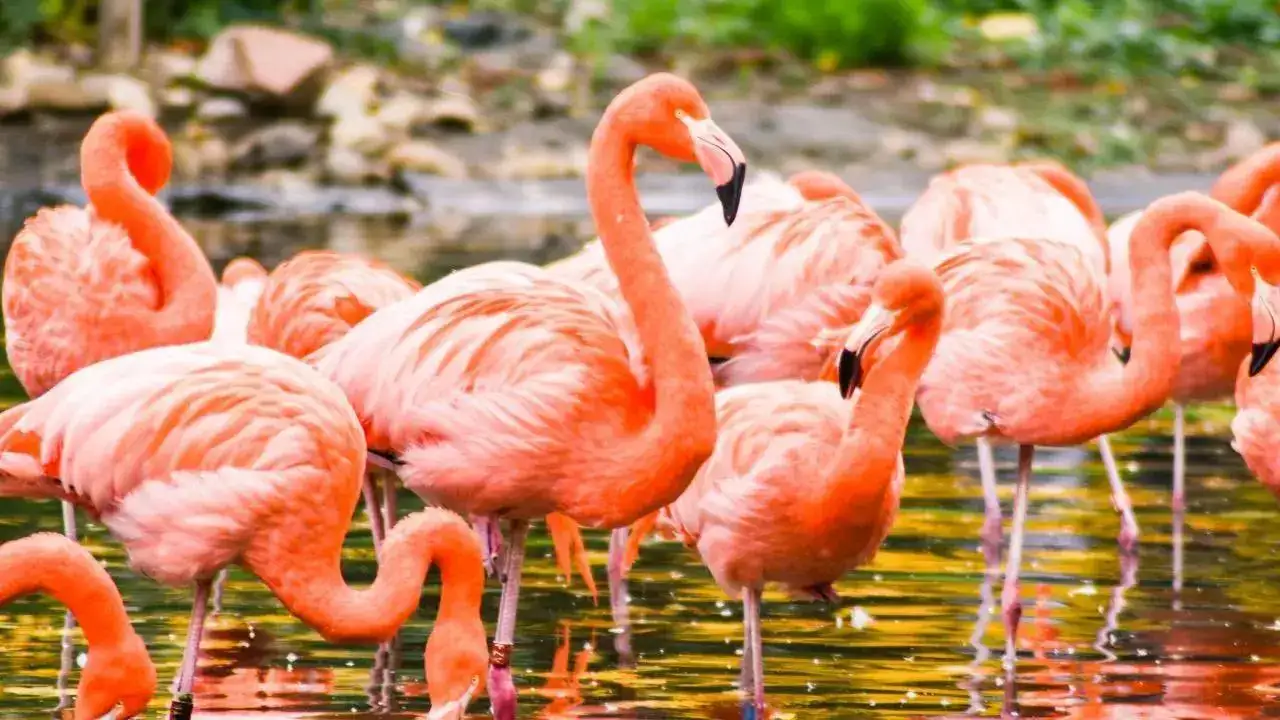
For many years, scientists and wildlife researchers have tried to understand why flamingos adopt this unusual posture. While the exact reason may involve several biological and environmental factors working together, modern studies have provided important insights into how this behaviour helps the birds conserve energy and adapt to their surroundings.
Bird legs have less feather coverage than the rest of the body, making them more exposed to colder conditions. Keeping one leg lifted may therefore reduce the amount of heat escaping into the water or surrounding air.
Scientists believe this heat-conservation strategy could be especially useful when flamingos remain motionless for extended periods in wetlands or lagoons.
Their joints and tendons appear capable of supporting the body in a naturally balanced position once the leg is properly aligned. This means the birds may actually use less energy standing on one leg than standing on two.
Observations of flamingos have shown that they often sway less and appear more stable in this posture while resting or sleeping.
Scientists studying flamingo behaviour have found that their centre of gravity allows them to maintain stability effectively. Some research suggests that standing on one leg may even reduce body movement caused by water currents or wind.
Because flamingos often sleep while standing, maintaining a secure and energy-efficient resting posture is important for survival and comfort.
This suggests the behaviour may provide broader biological advantages related to heat conservation, muscle relaxation or balance in wet environments.
However, flamingos perform the behaviour more frequently and visibly than many other species, making it especially associated with them.
Alternating legs may help maintain circulation and comfort while preventing strain from remaining in one position for too long. The switching behaviour also supports the idea that standing on one leg is a controlled and natural resting strategy rather than a sign of weakness or injury.
Healthy flamingos regularly shift posture depending on their activity, surroundings and environmental conditions.
Understanding how flamingos maintain stability with minimal muscular effort may even inspire future research in robotics and movement science. Their ability to remain balanced for long periods without obvious fatigue remains a fascinating example of natural adaptation.
At the same time, scientists emphasise that animal behaviour is often influenced by multiple factors rather than a single explanation. Heat conservation, balance and energy-saving mechanisms may all contribute together to why flamingos stand on one leg .
Over time, their anatomy and behaviour have evolved to support these needs naturally. What appears unusual to humans is actually a highly effective posture for the birds themselves.
The sight of flamingos balancing quietly in water continues to attract curiosity worldwide, but science increasingly shows that this famous behaviour is rooted in efficiency, stability and survival rather than mystery alone.
For many years, scientists and wildlife researchers have tried to understand why flamingos adopt this unusual posture. While the exact reason may involve several biological and environmental factors working together, modern studies have provided important insights into how this behaviour helps the birds conserve energy and adapt to their surroundings.
Standing On One Leg May Help Conserve Body Heat
One of the most widely accepted explanations involves temperature regulation. Flamingos spend a significant amount of time standing in cool water while feeding or resting. By tucking one leg close to the body, they may reduce heat loss and help maintain body temperature.Bird legs have less feather coverage than the rest of the body, making them more exposed to colder conditions. Keeping one leg lifted may therefore reduce the amount of heat escaping into the water or surrounding air.
Scientists believe this heat-conservation strategy could be especially useful when flamingos remain motionless for extended periods in wetlands or lagoons.
Flamingos Use Very Little Energy In This Position
Research has also shown that flamingos can stand on one leg with surprisingly low muscular effort. Studies involving flamingo anatomy and balance suggest that their body structure allows them to remain stable without continuously using large amounts of muscle energy.Their joints and tendons appear capable of supporting the body in a naturally balanced position once the leg is properly aligned. This means the birds may actually use less energy standing on one leg than standing on two.
Observations of flamingos have shown that they often sway less and appear more stable in this posture while resting or sleeping.
Balance Plays An Important Role
Flamingos possess long, thin legs that are specially adapted for wading through shallow water. Although balancing on one leg may seem difficult to humans, the birds are anatomically suited for it.Scientists studying flamingo behaviour have found that their centre of gravity allows them to maintain stability effectively. Some research suggests that standing on one leg may even reduce body movement caused by water currents or wind.
Because flamingos often sleep while standing, maintaining a secure and energy-efficient resting posture is important for survival and comfort.
The Behaviour Is Not Unique To Flamingos
While flamingos are famous for this habit, they are not the only birds known to stand on one leg. Several species of water birds, including storks, herons and ducks, have also been observed adopting similar resting postures.This suggests the behaviour may provide broader biological advantages related to heat conservation, muscle relaxation or balance in wet environments.
However, flamingos perform the behaviour more frequently and visibly than many other species, making it especially associated with them.
You may also like
- Quote of the day for kids by Conrad Hall: "You are always a student, never a master. You have to..."
- Effective Parenting Strategies to Encourage Honesty in Children
- Essential Tips for Safe Digital Parenting
- “I was afraid to die alone”: Why a Shanghai grandpa gave away his Rupees 1.4 Crore flat to a stranger who showed him kindness
- Between O Sanam and Ek Pal Ka Jeena, Lucky Ali gave Pune its most emotional moment
Flamingos Often Alternate Legs
Interestingly, flamingos do not always use the same leg. Researchers have observed that they often switch between legs periodically, although the exact timing varies.Alternating legs may help maintain circulation and comfort while preventing strain from remaining in one position for too long. The switching behaviour also supports the idea that standing on one leg is a controlled and natural resting strategy rather than a sign of weakness or injury.
Healthy flamingos regularly shift posture depending on their activity, surroundings and environmental conditions.
Why Scientists Continue Studying Flamingo Behaviour
Animal behaviour researchers continue to study flamingos because their posture provides insights into biomechanics, balance and energy efficiency in nature.Understanding how flamingos maintain stability with minimal muscular effort may even inspire future research in robotics and movement science. Their ability to remain balanced for long periods without obvious fatigue remains a fascinating example of natural adaptation.
At the same time, scientists emphasise that animal behaviour is often influenced by multiple factors rather than a single explanation. Heat conservation, balance and energy-saving mechanisms may all contribute together to why flamingos stand on one leg .
A Natural Adaptation Shaped By Environment
For flamingos, standing on one leg is not simply an unusual visual habit but a practical adaptation linked to their lifestyle and habitat. Living in shallow lakes, wetlands and coastal lagoons requires efficient ways to conserve energy and remain comfortable during long resting periods.Over time, their anatomy and behaviour have evolved to support these needs naturally. What appears unusual to humans is actually a highly effective posture for the birds themselves.
The sight of flamingos balancing quietly in water continues to attract curiosity worldwide, but science increasingly shows that this famous behaviour is rooted in efficiency, stability and survival rather than mystery alone.






More from our partners


Loving Newspoint? Download the app now
