
Why Fungal Skin Infections Spread Faster During Monsoon


Monsoon may bring relief from summer heat, but the combination of humidity, sweat and moisture can create new problems for your skin. Fungal infections can become more common during warm and humid weather because fungi thrive in moist environments. Conditions such as ringworm, athlete’s foot, jock itch and tinea versicolor can become particularly troublesome during this season. The good news is that simple habits can help reduce your risk. Keeping your skin dry, changing damp clothes, taking care of your feet and avoiding shared personal items can make a meaningful difference.
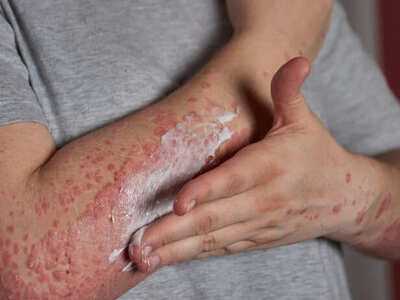
Why Monsoon Creates the Perfect Environment for Fungi
 Warm, trapped moisture around feet, groin, and skin folds gives fungi exactly what they need to spread. Closed shoes make it worse by locking in heat and sweat.
Fungi thrive in warm, moist conditions. During monsoon, humidity can remain high for long periods, while sweat may not evaporate quickly from your skin. This can leave moisture around areas such as the feet, groin, underarms and skin folds. Closed shoes can make the problem worse by trapping heat and sweat around your feet. Prolonged exposure to water and damp footwear can also increase the risk of fungal infections. This does not mean everyone will develop a fungal infection during monsoon, but the environmental conditions can make it easier for fungi to multiply.
Sweat Can Make the Problem Worse
 Skin-on-skin areas like underarms and inner thighs stay damp longer in humid weather. Changing sweaty clothes promptly cuts down that prolonged moisture exposure.
Sweating is one of your body’s natural ways of controlling temperature. During humid weather, however, sweat may remain on the skin instead of evaporating efficiently. Areas where skin touches skin are particularly vulnerable. The groin, inner thighs, underarms and skin folds can remain warm and damp for longer periods. If you exercise, commute outdoors or spend long hours in humid conditions, changing out of sweaty clothing and drying your skin properly can help reduce prolonged moisture exposure.
Your Feet May Be Especially Vulnerable
Your feet spend much of the day inside socks and shoes, creating a warm and enclosed environment. During monsoon, rain and wet surfaces can add even more moisture. Athlete’s foot is a common fungal infection that can cause itching, scaling, cracking and irritation. Fungal infections can also affect the toenails if they are not addressed. Avoid putting socks and shoes onto wet feet. Dry your feet carefully, particularly between the toes, before putting on footwear.
Take Better Care of Your Shoes and Towels
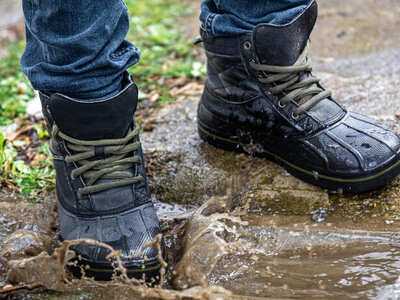 Fungi survive on contaminated footwear, towels, and clothing, not just skin. Letting shoes dry fully and skipping shared personal items lowers your risk significantly.
Personal items can contribute to the spread of fungal infections. Fungi can remain on contaminated clothing, towels and other objects. Avoid sharing towels, clothes, footwear or grooming items with someone who has a suspected fungal infection. Wash clothing and towels regularly, and allow shoes to dry completely before wearing them again. If your shoes become soaked during monsoon, give them enough time to dry before putting them back on.
Damp Clothes Can Keep Your Skin Wet
Getting caught in the rain is not necessarily a problem by itself. The bigger concern can be remaining in wet clothes for an extended period. Damp clothing keeps moisture close to the skin and can increase friction. This combination may irritate the skin and create a more favorable environment for fungal growth. Change out of wet clothes as soon as practical. Choose clean, breathable clothing and avoid repeatedly wearing garments that have remained damp.
Some Fungal Infections Can Look Different
Not every fungal infection looks like the classic red, circular rash associated with ringworm. Ringworm can produce scaly patches with a raised border, while tinea versicolor can cause lighter or darker patches on the skin. Tinea versicolor is particularly associated with warm, humid weather and can return during periods of high humidity. Because different skin conditions can look similar, it is not always possible to identify a fungal infection accurately just by looking at it.
Do Not Automatically Treat Every Itch With Steroid Cream
One common mistake is assuming every itchy or inflamed rash needs a steroid cream. Some fungal infections can become harder to recognize or worsen when topical corticosteroids are used without appropriate medical guidance. Dermatologists advise against using corticosteroids for suspected dermatophyte infections without proper evaluation because they can make some fungal infections worse. If a rash keeps returning, spreads, changes appearance or does not improve with appropriate care, getting the diagnosis right is more important than repeatedly trying different creams.
Keep Your Skin Clean and Completely Dry
Good hygiene during monsoon does not mean constantly scrubbing your skin. Excessive washing or harsh products can irritate the skin barrier. Instead, wash normally and make sure moisture is removed afterward. Pay particular attention to areas that stay damp, including between the toes and inside skin folds. Keeping areas affected by ringworm clean and dry can help because fungi thrive in warm, moist environments.
When You Should See a Dermatologist
Not every monsoon rash is fungal, and self-treatment can sometimes delay the correct diagnosis. Consider seeing a dermatologist if a rash continues to spread, repeatedly returns, becomes painful, develops significant swelling or does not improve with appropriate treatment. Recurrent or unusually severe fungal infections may require professional evaluation and, in some cases, testing to identify the infection accurately. Early treatment can also help prevent an infection from spreading to other areas of the body or to other people.
A Simple Monsoon Skin Routine Can Make a Difference
You do not need an elaborate routine to protect your skin during rainy weather. Change out of wet clothing, keep your feet dry, wear clean socks, allow footwear to dry properly, avoid sharing personal items and pay attention to persistent itching or rashes. The goal is simple: reduce the amount of time your skin stays warm and damp. These small changes can make your monsoon routine more skin-friendly and help reduce conditions that allow fungal infections to thrive.
Discover expert advice and the latest updates in Skin Care, Hair Care, Wellness, Dermatology, and more at Stay Young guide to lasting beauty and holistic health.
Why Monsoon Creates the Perfect Environment for Fungi
Fungi thrive in warm, moist conditions. During monsoon, humidity can remain high for long periods, while sweat may not evaporate quickly from your skin. This can leave moisture around areas such as the feet, groin, underarms and skin folds. Closed shoes can make the problem worse by trapping heat and sweat around your feet. Prolonged exposure to water and damp footwear can also increase the risk of fungal infections. This does not mean everyone will develop a fungal infection during monsoon, but the environmental conditions can make it easier for fungi to multiply.
Sweat Can Make the Problem Worse
Sweating is one of your body’s natural ways of controlling temperature. During humid weather, however, sweat may remain on the skin instead of evaporating efficiently. Areas where skin touches skin are particularly vulnerable. The groin, inner thighs, underarms and skin folds can remain warm and damp for longer periods. If you exercise, commute outdoors or spend long hours in humid conditions, changing out of sweaty clothing and drying your skin properly can help reduce prolonged moisture exposure.
Your Feet May Be Especially Vulnerable
Your feet spend much of the day inside socks and shoes, creating a warm and enclosed environment. During monsoon, rain and wet surfaces can add even more moisture. Athlete’s foot is a common fungal infection that can cause itching, scaling, cracking and irritation. Fungal infections can also affect the toenails if they are not addressed. Avoid putting socks and shoes onto wet feet. Dry your feet carefully, particularly between the toes, before putting on footwear.
Take Better Care of Your Shoes and Towels
Personal items can contribute to the spread of fungal infections. Fungi can remain on contaminated clothing, towels and other objects. Avoid sharing towels, clothes, footwear or grooming items with someone who has a suspected fungal infection. Wash clothing and towels regularly, and allow shoes to dry completely before wearing them again. If your shoes become soaked during monsoon, give them enough time to dry before putting them back on.
Damp Clothes Can Keep Your Skin Wet
Getting caught in the rain is not necessarily a problem by itself. The bigger concern can be remaining in wet clothes for an extended period. Damp clothing keeps moisture close to the skin and can increase friction. This combination may irritate the skin and create a more favorable environment for fungal growth. Change out of wet clothes as soon as practical. Choose clean, breathable clothing and avoid repeatedly wearing garments that have remained damp.
Some Fungal Infections Can Look Different
Not every fungal infection looks like the classic red, circular rash associated with ringworm. Ringworm can produce scaly patches with a raised border, while tinea versicolor can cause lighter or darker patches on the skin. Tinea versicolor is particularly associated with warm, humid weather and can return during periods of high humidity. Because different skin conditions can look similar, it is not always possible to identify a fungal infection accurately just by looking at it.
Do Not Automatically Treat Every Itch With Steroid Cream
One common mistake is assuming every itchy or inflamed rash needs a steroid cream. Some fungal infections can become harder to recognize or worsen when topical corticosteroids are used without appropriate medical guidance. Dermatologists advise against using corticosteroids for suspected dermatophyte infections without proper evaluation because they can make some fungal infections worse. If a rash keeps returning, spreads, changes appearance or does not improve with appropriate care, getting the diagnosis right is more important than repeatedly trying different creams.
Keep Your Skin Clean and Completely Dry
Good hygiene during monsoon does not mean constantly scrubbing your skin. Excessive washing or harsh products can irritate the skin barrier. Instead, wash normally and make sure moisture is removed afterward. Pay particular attention to areas that stay damp, including between the toes and inside skin folds. Keeping areas affected by ringworm clean and dry can help because fungi thrive in warm, moist environments.
When You Should See a Dermatologist
Not every monsoon rash is fungal, and self-treatment can sometimes delay the correct diagnosis. Consider seeing a dermatologist if a rash continues to spread, repeatedly returns, becomes painful, develops significant swelling or does not improve with appropriate treatment. Recurrent or unusually severe fungal infections may require professional evaluation and, in some cases, testing to identify the infection accurately. Early treatment can also help prevent an infection from spreading to other areas of the body or to other people.
A Simple Monsoon Skin Routine Can Make a Difference
You do not need an elaborate routine to protect your skin during rainy weather. Change out of wet clothing, keep your feet dry, wear clean socks, allow footwear to dry properly, avoid sharing personal items and pay attention to persistent itching or rashes. The goal is simple: reduce the amount of time your skin stays warm and damp. These small changes can make your monsoon routine more skin-friendly and help reduce conditions that allow fungal infections to thrive.
Discover expert advice and the latest updates in Skin Care, Hair Care, Wellness, Dermatology, and more at Stay Young guide to lasting beauty and holistic health.
Next Story