
Why Gen Z Is Romanticising Everyday Life To Find Joy In Simple Moments

Younger generations face a unique set of modern challenges, including economic instability, rising housing costs, work burnout, and constant news cycle stress. When major life milestones like buying a home or landing a dream job feel distant or out of reach, young adults adjust their perspective.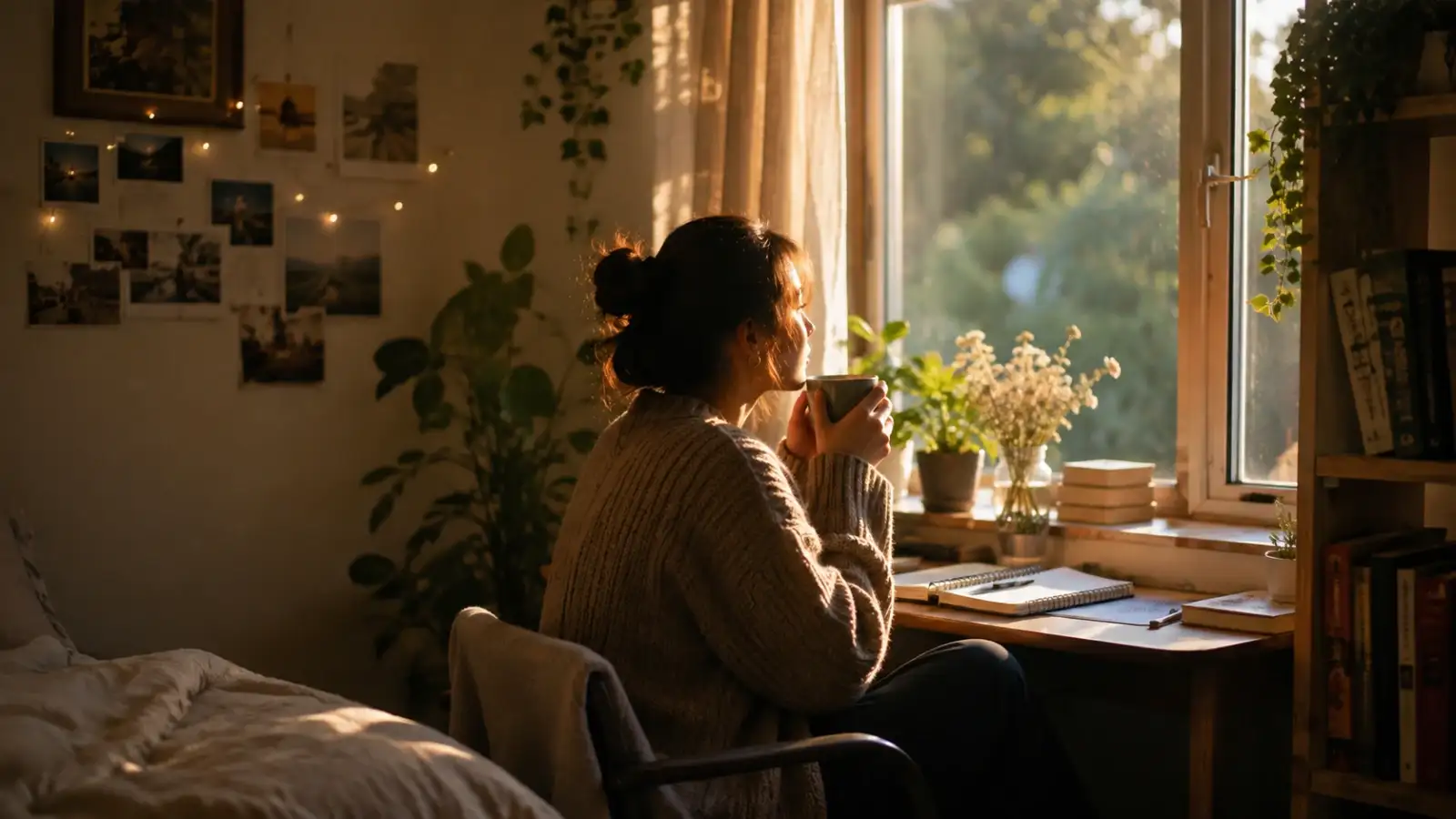
Romanticising ordinary life serves as a practical coping strategy to regain emotional control. By framing small daily routines as meaningful events, Gen Z creates a personal sense of agency. Pouring fresh filter coffee, sitting by a rainy window, or arranging books on a desk transforms routine tasks into quiet moments of personal triumph and gratitude.
The Main Character Energy Mindset and Visual Storytelling
Social media culture has popularized the concept of main character energy, encouraging individuals to view themselves as the lead character in their own story. Rather than waiting for grand events or exotic holidays to feel happy, Gen Z treats ordinary days like scenes from a feel-good film. Pairing a simple afternoon stroll with soft music or capturing sunbeams across a wooden table turns plain moments into visually appealing art. This intentional storytelling helps break the dull monotony of modern work routines, giving every day an uplifting narrative feel.
Reclaiming Mindfulness and Escaping Digital Overload
Growing up in a hyper-connected world surrounded by constant notifications creates severe digital fatigue. Romanticising ordinary life acts as an accessible form of daily mindfulness , encouraging people to step away from screens and engage directly with their immediate surroundings.
Noticing the gentle sound of boiling water, feeling the texture of a cozy sweater, or enjoying a slow morning walk requires complete sensory presence. Slowing down to appreciate these physical details grounds the mind, offering a gentle antidote to the fast-paced noise of the digital age.
Embracing the Soft Life Movement and Mindful Living
Previous generations often judged self-worth by how long they worked and how much stress they endured. Gen Z is actively rejecting high-stress hustle culture in favour of the soft life movement, which prioritizes emotional wellness, gentle living, and peace of mind.
Romanticising ordinary life reinforces this cultural shift by teaching young people to value comfort over constant productivity. Preparing a home-cooked lunch, lighting a scented candle, or tending to indoor plants is no longer seen as wasted time, but as essential self-care that protects mental health.
Building Aesthetic Joy Without Materialistic Spending
In a society dominated by targeted advertisements and fast consumption, romanticising ordinary life highlights that genuine happiness does not require expensive purchases. Gen Z finds immense joy in free or inexpensive activities, such as reading secondhand paperbacks, drinking herbal tea, or walking through local parks.
Finding magic in what you already own promotes sustainable living and protects personal finances. Elevating ordinary moments allows young adults to build a rich, fulfilling lifestyle based on creativity, mindfulness, and appreciation for the present moment.
Romanticising ordinary life serves as a practical coping strategy to regain emotional control. By framing small daily routines as meaningful events, Gen Z creates a personal sense of agency. Pouring fresh filter coffee, sitting by a rainy window, or arranging books on a desk transforms routine tasks into quiet moments of personal triumph and gratitude.
The Main Character Energy Mindset and Visual Storytelling
Social media culture has popularized the concept of main character energy, encouraging individuals to view themselves as the lead character in their own story. Rather than waiting for grand events or exotic holidays to feel happy, Gen Z treats ordinary days like scenes from a feel-good film. Pairing a simple afternoon stroll with soft music or capturing sunbeams across a wooden table turns plain moments into visually appealing art. This intentional storytelling helps break the dull monotony of modern work routines, giving every day an uplifting narrative feel.
Reclaiming Mindfulness and Escaping Digital Overload
You may also like
- At 14, he left his home in Bihar with just ₹1,000 and an old laptop: Six years later, Adarsh Kumar won a scholarship from Georgetown University worth ₹3.5 crore
- She left Jamshedpur for a top French business school and a fully funded job, then quit at 20 and now she lives in a 17th-century French château with 30 people
- The 'nothing happened' break-up
- Ghee in Your Daily Diet: Nutritional Benefits, Healthy Uses and How Much Is Too Much?
- High Cholesterol Diet: 3 Heart-Friendly Foods That May Help Lower LDL Levels
Growing up in a hyper-connected world surrounded by constant notifications creates severe digital fatigue. Romanticising ordinary life acts as an accessible form of daily mindfulness , encouraging people to step away from screens and engage directly with their immediate surroundings.
Noticing the gentle sound of boiling water, feeling the texture of a cozy sweater, or enjoying a slow morning walk requires complete sensory presence. Slowing down to appreciate these physical details grounds the mind, offering a gentle antidote to the fast-paced noise of the digital age.
Embracing the Soft Life Movement and Mindful Living
Previous generations often judged self-worth by how long they worked and how much stress they endured. Gen Z is actively rejecting high-stress hustle culture in favour of the soft life movement, which prioritizes emotional wellness, gentle living, and peace of mind.
Romanticising ordinary life reinforces this cultural shift by teaching young people to value comfort over constant productivity. Preparing a home-cooked lunch, lighting a scented candle, or tending to indoor plants is no longer seen as wasted time, but as essential self-care that protects mental health.
Building Aesthetic Joy Without Materialistic Spending
In a society dominated by targeted advertisements and fast consumption, romanticising ordinary life highlights that genuine happiness does not require expensive purchases. Gen Z finds immense joy in free or inexpensive activities, such as reading secondhand paperbacks, drinking herbal tea, or walking through local parks.
Finding magic in what you already own promotes sustainable living and protects personal finances. Elevating ordinary moments allows young adults to build a rich, fulfilling lifestyle based on creativity, mindfulness, and appreciation for the present moment.






Loving Newspoint? Download the app now
