
Why Healthy Snacking Can Prevent Overeating and Help Maintain a Balanced Diet

In the world of diet and nutrition, snacking often gets a bad reputation. Many people believe that eating between meals leads to weight gain, unwanted cravings, and poor eating habits. However, nutrition experts increasingly agree that eating small, nutrient-rich portions throughout the day can actually transform your relationship with food for the better.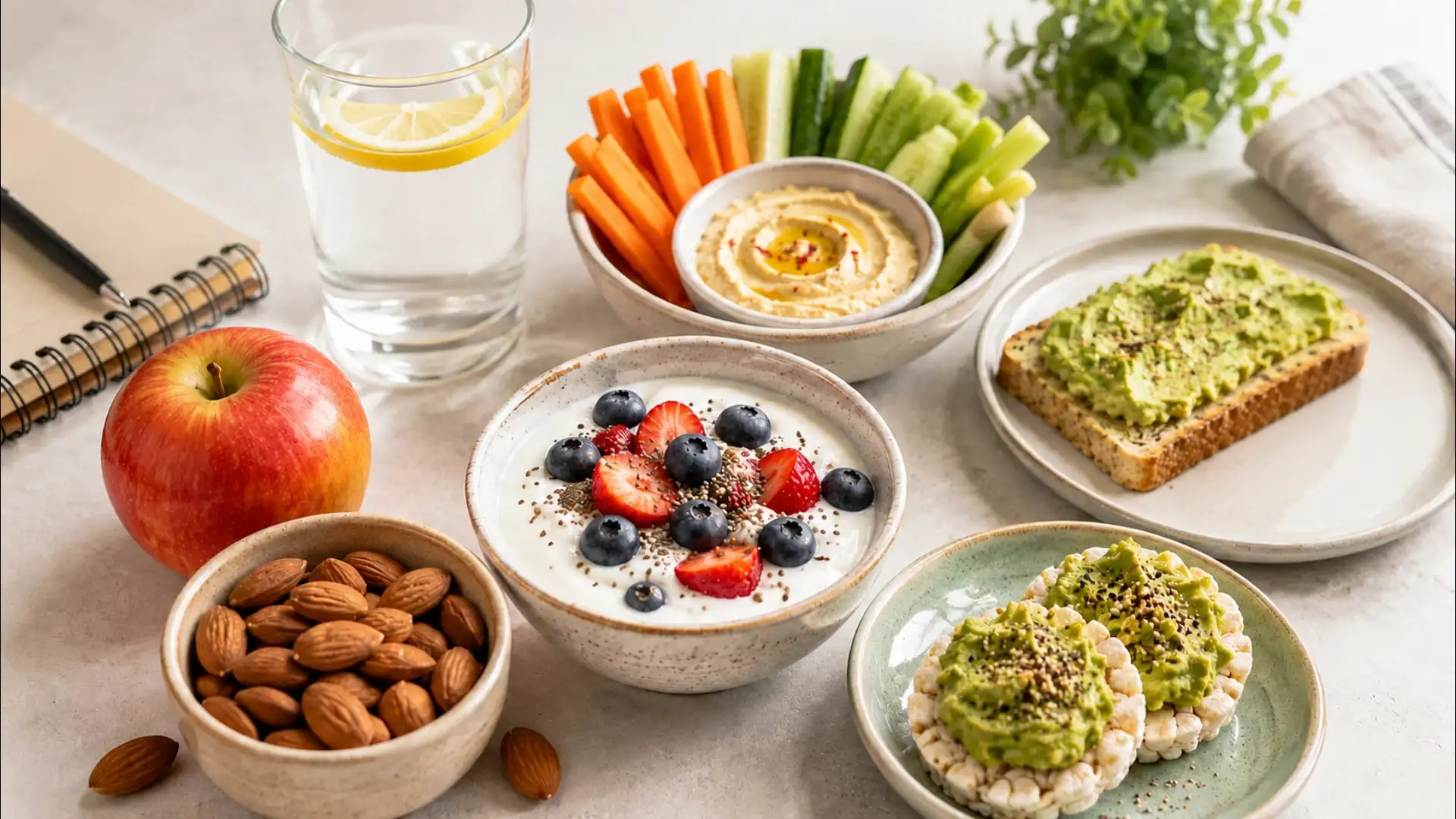
Understanding why healthy snacking can prevent overeating comes down to how your body manages hunger signals, blood sugar, and appetite hormones. When done correctly, taking planned breaks for nourishing food is not a dietary mistake but rather a powerful tool for maintaining control over your total calorie intake and supporting long-term well-being.
By the time you sit down for your next main meal in a state of extreme hunger, your brain craves quick energy in the form of refined carbohydrates and high-fat foods. Extreme hunger also makes it almost impossible to practice mindful eating or recognize when you are full. In contrast, incorporating nutritious snacks between main meals keeps your blood sugar stable, preventing severe hunger spikes and allowing you to make rational, healthy choices during lunch and dinner.
To ensure your choices actively prevent overeating, aim for balanced combinations that include protein, healthy fats, and complex carbohydrates. Protein and dietary fibre are particularly effective because they take longer to digest, promoting long-lasting satiety and fullness.
Some excellent examples of hunger crushing snacks include a handful of raw almonds with an apple, plain Greek yoghurt topped with fresh berries, hummus served with crunchy vegetable sticks, or a hard boiled egg with wholemeal toast. These simple choices nourish your body while keeping appetite hormones under control.
Knowing that you have a delicious and wholesome option waiting for you mid-morning or mid-afternoon reduces psychological anxiety around food. It eliminates the urgent desire to gorge during main meals because your mind registers that food is regularly available. This steady, predictable pattern builds a healthy relationship with food and stops emotional bingeing before it starts.
Keep pre-portioned healthy options readily available at work or in your kitchen so that you do not default to convenience items when hunger strikes. Aim to eat your snack mindfully without distractions like television screens or work emails, allowing your mind to register satisfaction. By making deliberate, nutrient-dense choices, you will discover that smart snacking is the ultimate secret to appetite control, constant energy, and sustainable wellness.
Understanding why healthy snacking can prevent overeating comes down to how your body manages hunger signals, blood sugar, and appetite hormones. When done correctly, taking planned breaks for nourishing food is not a dietary mistake but rather a powerful tool for maintaining control over your total calorie intake and supporting long-term well-being.
The Science of Hunger and Appetite Control
When you go for long stretches without eating, your body experiences a natural drop in blood glucose levels. This physiological signal triggers the release of hunger hormones that tell your brain it is time to seek energy immediately. The longer you ignore these hunger cues, the more intense and urgent they become.By the time you sit down for your next main meal in a state of extreme hunger, your brain craves quick energy in the form of refined carbohydrates and high-fat foods. Extreme hunger also makes it almost impossible to practice mindful eating or recognize when you are full. In contrast, incorporating nutritious snacks between main meals keeps your blood sugar stable, preventing severe hunger spikes and allowing you to make rational, healthy choices during lunch and dinner.
Choosing the Right Types of Nourishing Snacks
It is important to clarify that not all snacks are created equal. Grab a bag of crisps, sugary biscuits, or processed pastries, and you will likely experience a rapid spike in blood sugar followed by a harsh crash, leaving you hungrier than before.You may also like
- Preparations Underway to Impose New Levy on LPG Cylinders; Costs Likely to Rise
- Building a Healthy Workforce through Reproductive Healthcare Benefits
- Train News: 3AC, Sleeper, or Chair Car? Which is best for a long train journey?
- Deposit money just once in this Post Office scheme offering 7.4% interest and receive ₹6,000 every month..
- Is your ticket still on the RAC list? Don't worry—the Railways has made major arrangements for you too..
To ensure your choices actively prevent overeating, aim for balanced combinations that include protein, healthy fats, and complex carbohydrates. Protein and dietary fibre are particularly effective because they take longer to digest, promoting long-lasting satiety and fullness.
Some excellent examples of hunger crushing snacks include a handful of raw almonds with an apple, plain Greek yoghurt topped with fresh berries, hummus served with crunchy vegetable sticks, or a hard boiled egg with wholemeal toast. These simple choices nourish your body while keeping appetite hormones under control.
Breaking the Cycle of Bingeing and Emotional Eating
Another major benefit of planned eating between meals is the psychological relief it provides. Restrictive diets that force long periods of fasting often create a feeling of deprivation. This mental strain frequently leads to overeating late in the evening when willpower is exhausted after a demanding day.Knowing that you have a delicious and wholesome option waiting for you mid-morning or mid-afternoon reduces psychological anxiety around food. It eliminates the urgent desire to gorge during main meals because your mind registers that food is regularly available. This steady, predictable pattern builds a healthy relationship with food and stops emotional bingeing before it starts.
Simple Guidelines for Building Smart Snacking Habits
To make this approach work effectively for your lifestyle, a little preparation goes a long way. Start by tuning in to your physical body to distinguish between actual physical hunger and emotional boredom.Keep pre-portioned healthy options readily available at work or in your kitchen so that you do not default to convenience items when hunger strikes. Aim to eat your snack mindfully without distractions like television screens or work emails, allowing your mind to register satisfaction. By making deliberate, nutrient-dense choices, you will discover that smart snacking is the ultimate secret to appetite control, constant energy, and sustainable wellness.






Loving Newspoint? Download the app now
