
Why Your Homemade Cake Sinks After Baking: Causes and Simple Fixes

Few things in the kitchen are as disappointing as peering through the oven glass and watching a beautiful sponge sink right in the middle. You followed the recipe, mixed the batter with care, and expected a golden, fluffy treat, only to find a sad, hollow shape at the centre. This frustrating issue happens to bakers of all skill levels, but understanding the simple science behind it can easily prevent it from happening again.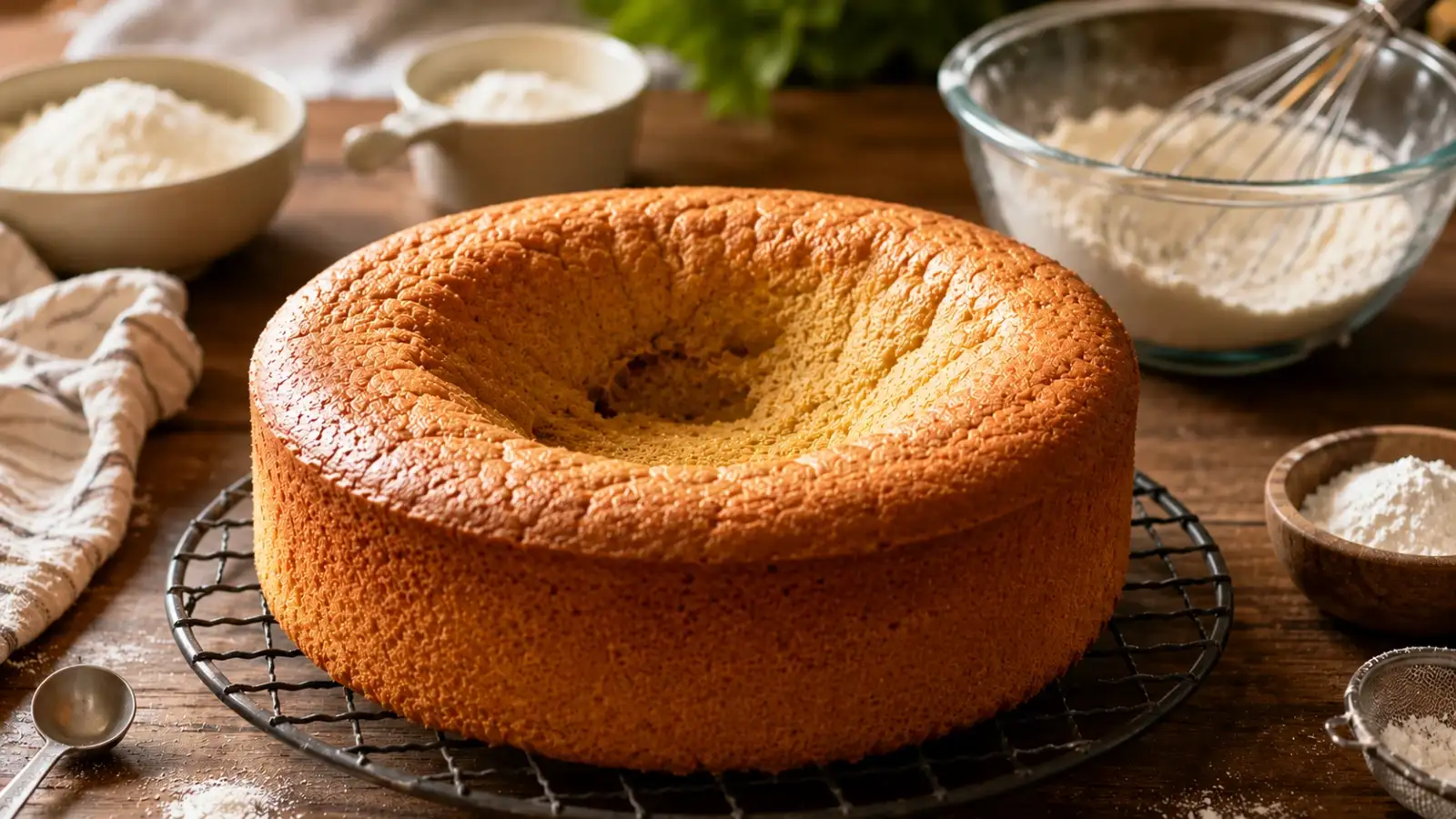
Baking mistake: Too much baking powder or raising agent
When you add too much baking powder or self-raising flour to your mixture, the cake rises far too quickly. The raising agent creates thousands of tiny gas bubbles inside the wet batter. As these bubbles expand rapidly before the flour and eggs have had a chance to cook and set, the central structure becomes extremely weak. Once the cake cools down or is removed from the heat, those oversized pockets of air simply collapse. This leaves you with an unsightly crater right in the middle of your sponge. Always double-check your measurements and use proper measuring spoons rather than standard cutlery.Temperature drop: Opening the oven door too early
Patience is vital when you are baking a homemade cake. Opening the oven door during the first two-thirds of the baking time introduces a blast of cool air into the baking chamber. This sudden drop in temperature causes the hot air trapped inside the fragile cake batter to contract immediately. Because the structure of the cake has not yet set firmly from the heat, the centre collapses inward under the pressure. Try to rely on your oven light to monitor the cake's progress instead of opening the door during the initial stage of baking.Heating issues: Incorrect oven temperature settings
Ovens can often be inaccurate, running hotter or cooler than the dial suggests. If your oven is running too hot, the top and edges of the cake will cook and set quickly while the centre remains raw and liquid. When you take the cake out, that heavy, uncooked middle falls flat because it lacks structural support. Conversely, an oven that is too cool may fail to activate the raising agents properly, leading to a heavy sponge that fails to hold its shape. Investing in an inexpensive oven thermometer will help ensure that your temperatures are accurate every time.Mixing technique: Over-beating the cake batter
Whisking your butter and sugar brings air into the mixture, but over-beating the batter once the flour is added can create major problems. Incorporating excessive air can create large pockets of gas that cannot be supported by the delicate flour structure. Furthermore, overworking the flour develops too much gluten, which can make the baked texture tough and uneven. Fold the flour gently into the wet ingredients using a spatula until just combined, keeping the batter light and stable.Balance of ingredients: Measuring liquids and sugar accurately
Baking is a precise science in which exact ratios matter immensely. Adding too much butter, milk, or egg can create an overly wet batter that is simply too heavy to rise and hold its own weight. Similarly, adding too much sugar can weaken the gluten network, causing the structure to break down during the final minutes in the oven. Weighing your ingredients accurately with a digital scale ensures the ideal balance between wet and dry components, giving your cake fantastic flavour and the perfect structure to stay light, fluffy, and beautifully rounded every time you bake.Next Story