
Why Does Honey Never Go Bad Even After Years?

Most foods eventually spoil. Milk turns sour, bread grows mould and fresh fruit begins to decay. Honey, however, behaves very differently.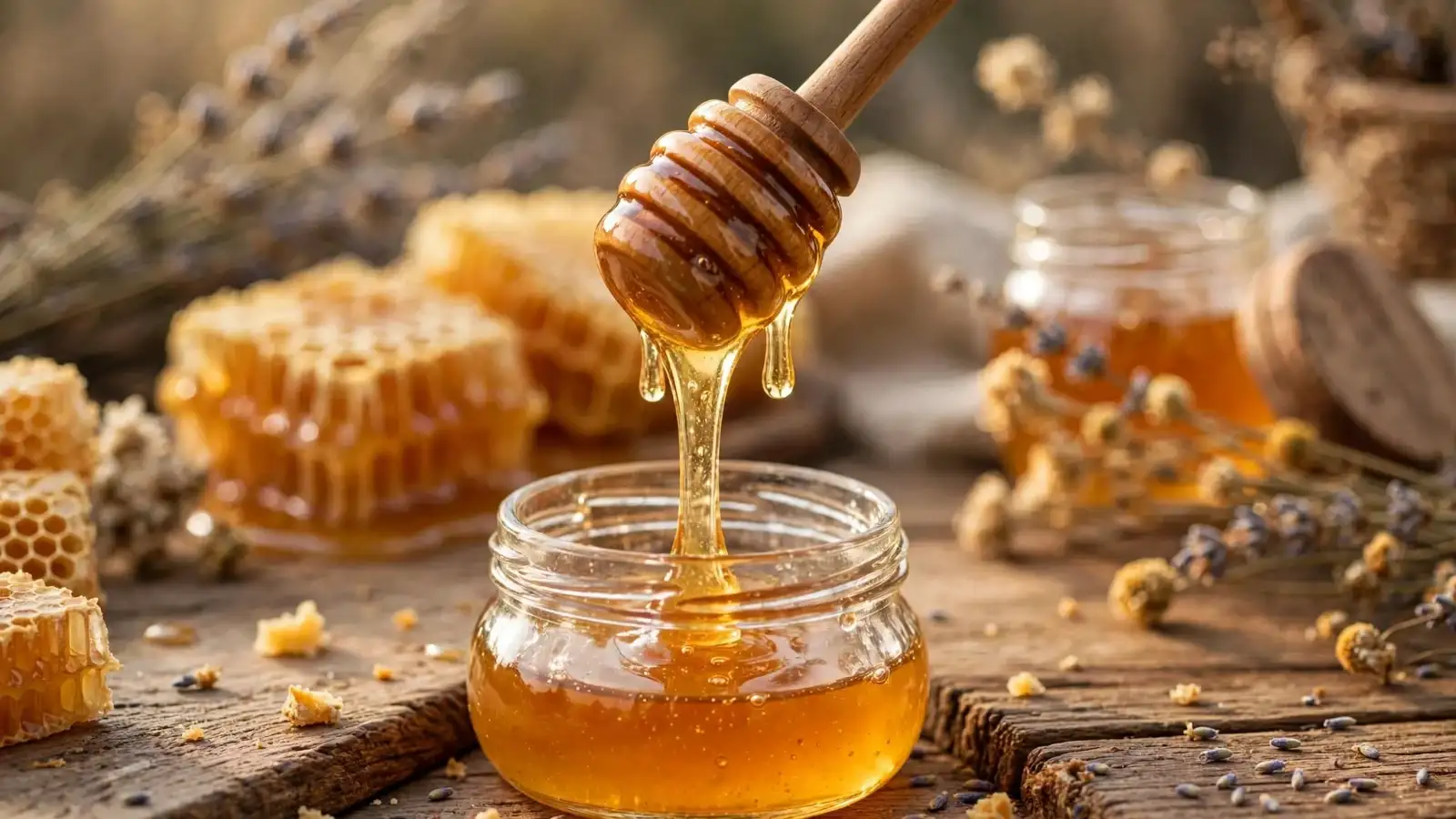
So, why does honey never go bad? It is largely because honey creates an environment in which many microorganisms struggle to survive.
Honey contains very little water that bacteria and many other microorganisms can use. Although honey is technically a liquid, much of its water is bound up with its high concentration of sugars.
This is one of the biggest reasons behind the extraordinary honey shelf life .
Its pH is generally low enough to make the environment uncomfortable for many microorganisms. This combination of acidity and low available water makes honey remarkably resistant to ordinary spoilage.
Honey also contains naturally occurring compounds that contribute to its antimicrobial properties.
Bees play an important role in creating this unusual food. Nectar collected by bees is transformed through enzymatic activity and then concentrated as water is removed.
The result is a food that is sweet, dense and surprisingly hostile to many microbes.
Honey can change over time. It may become darker, lose some of its aroma or develop crystals. Crystallised honey is not necessarily spoiled. In fact, crystallisation is a natural process that depends on factors such as the type of honey and its glucose content.
The bigger concern is moisture.
If honey is stored improperly and absorbs water from its surroundings, its moisture content can increase. Under the right conditions, this can allow fermentation or microbial growth.
That is why keeping honey tightly sealed and stored properly is important.
The key lesson is that honey is not magically immune to every form of deterioration. Instead, its natural chemistry makes it exceptionally resistant to spoilage.
So, the next time you find an old jar of honey sitting at the back of a cupboard, its age alone does not necessarily mean it has gone bad. Its low moisture, acidity and unique composition are what make honey one of the most remarkably durable foods in the kitchen.
So, why does honey never go bad? It is largely because honey creates an environment in which many microorganisms struggle to survive.
Honey contains very little water that bacteria and many other microorganisms can use. Although honey is technically a liquid, much of its water is bound up with its high concentration of sugars.
This is one of the biggest reasons behind the extraordinary honey shelf life .
Honey is naturally acidic
Low moisture is only part of the explanation. Honey is also naturally acidic.Its pH is generally low enough to make the environment uncomfortable for many microorganisms. This combination of acidity and low available water makes honey remarkably resistant to ordinary spoilage.
Honey also contains naturally occurring compounds that contribute to its antimicrobial properties.
Bees play an important role in creating this unusual food. Nectar collected by bees is transformed through enzymatic activity and then concentrated as water is removed.
The result is a food that is sweet, dense and surprisingly hostile to many microbes.
You may also like
- Tired After a Long Day? Try This Simple Foot Soak With 4 Ingredients for a Relaxing Evening Routine
- Why This Leaf Burns Like a Lamp? The Pandav Batti Secret
- How Does a Baby's Digestive System Develop?
- From a saree's blouse to a skirt's top: How to style a white shirt
- 'What I am removing from the lake is like a treasure': This Srinagar artisan is turning Dal Lake weeds to 'Grass Mâché' and creating work for women
So, does honey actually expire?
The answer is more complicated than simply saying honey never expires.Honey can change over time. It may become darker, lose some of its aroma or develop crystals. Crystallised honey is not necessarily spoiled. In fact, crystallisation is a natural process that depends on factors such as the type of honey and its glucose content.
The bigger concern is moisture.
If honey is stored improperly and absorbs water from its surroundings, its moisture content can increase. Under the right conditions, this can allow fermentation or microbial growth.
That is why keeping honey tightly sealed and stored properly is important.
Why has honey lasted for centuries?
The unusual honey preservation properties have made it valuable as a food for generations. Archaeologists have even found ancient honey that remained remarkably well preserved in sealed containers.The key lesson is that honey is not magically immune to every form of deterioration. Instead, its natural chemistry makes it exceptionally resistant to spoilage.
So, the next time you find an old jar of honey sitting at the back of a cupboard, its age alone does not necessarily mean it has gone bad. Its low moisture, acidity and unique composition are what make honey one of the most remarkably durable foods in the kitchen.






Loving Newspoint? Download the app now
