
Why Do Indian Families Save Gift Wrappers, Boxes and Old Containers?

Open a cupboard in many Indian homes and you might discover an assortment of carefully folded gift bags, empty biscuit tins, plastic containers and boxes from recent purchases. Some have a clear purpose, while others have been waiting for their next use for years.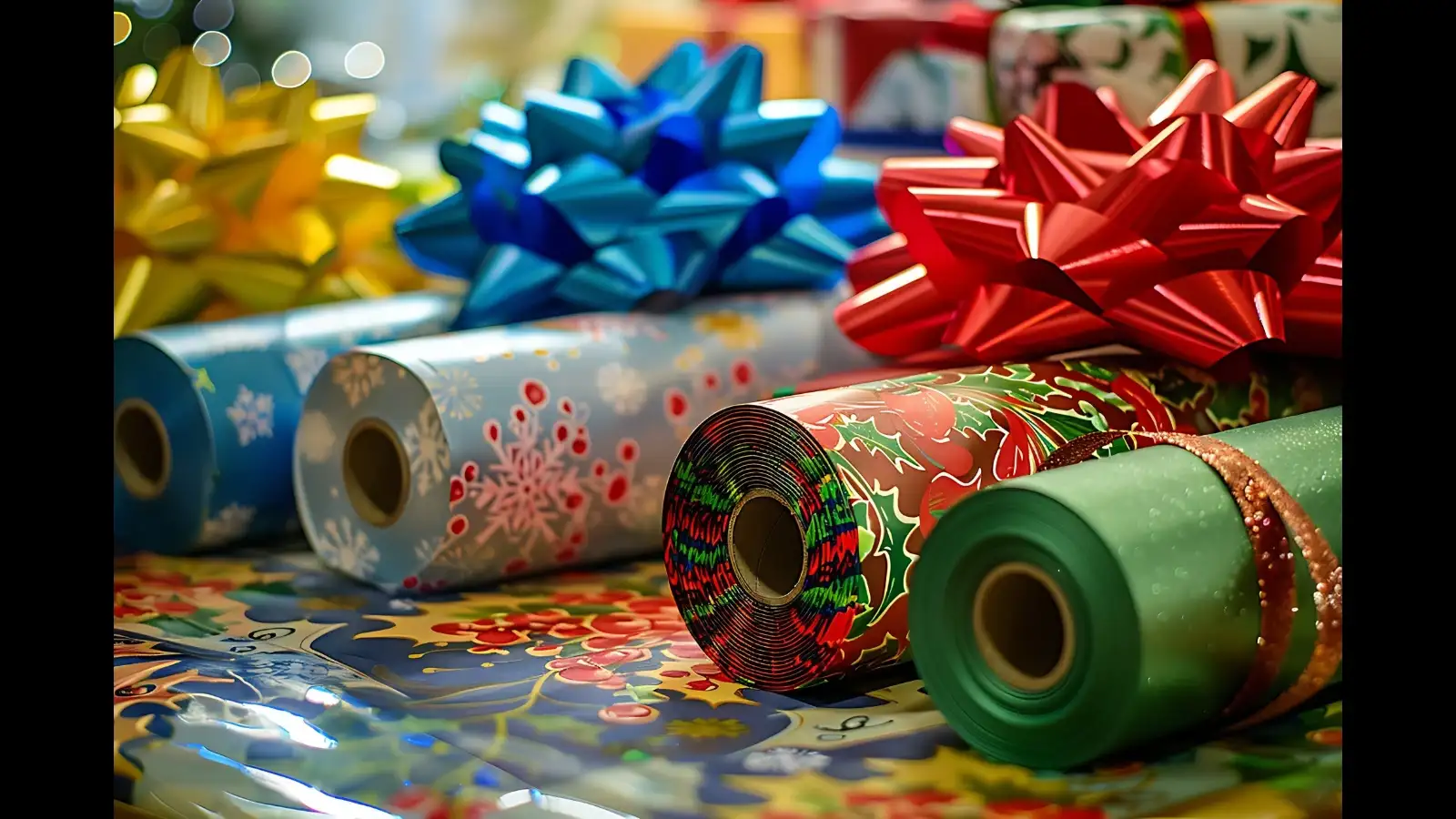
The habit of saving gift wrappers, boxes and old containers is easy to recognise, particularly in households where throwing away something reusable feels unnecessarily wasteful. What appears to be ordinary clutter can also reflect family traditions, financial practicality and a particular way of thinking about possessions.
In households that regularly store dry foods, prepare homemade snacks or exchange gifts, containers can serve several purposes long after their original contents are gone.
This approach is also connected to the broader idea of making the most of what we already own. Instead of buying a new storage box, a family might use one that is already available at home.
Not every saved item will eventually prove useful, but the intention often begins with a sensible desire to avoid unnecessary waste.
There is also a cultural familiarity to saving things for later. A good-quality gift bag might be kept because it could come in handy for a birthday, while an attractive sweet box may be reserved for storing small household items.
Over time, the practice becomes routine. People may continue saving packaging without consciously evaluating whether they need it, simply because that is how things have always been done at home.
A box may remind someone of a wedding, a festival or a gift from a relative. A beautifully designed wrapper might feel too attractive to discard immediately, while a container from a special occasion can become a small reminder of the event.
These emotional connections are not always obvious. Sometimes, keeping an object is less about the object itself and more about what it represents.
A simple solution is to give saved packaging a purpose. Keep a reasonable number of gift bags, retain containers that are clean and suitable for reuse, and recycle damaged or unnecessary items.
The habit itself is not necessarily wasteful or outdated. Reusing things can be practical and environmentally helpful. The key is to distinguish between items that genuinely serve a purpose and those that remain untouched for years.
Sometimes, the most useful household skill is knowing what to save and what to let go.
The habit of saving gift wrappers, boxes and old containers is easy to recognise, particularly in households where throwing away something reusable feels unnecessarily wasteful. What appears to be ordinary clutter can also reflect family traditions, financial practicality and a particular way of thinking about possessions.
A practical approach to everyday life
Reusing packaging makes sense when it saves money and effort. An empty biscuit tin can hold sewing supplies, a glass jar can store spices, and a sturdy cardboard box can organise documents or seasonal decorations.In households that regularly store dry foods, prepare homemade snacks or exchange gifts, containers can serve several purposes long after their original contents are gone.
This approach is also connected to the broader idea of making the most of what we already own. Instead of buying a new storage box, a family might use one that is already available at home.
Not every saved item will eventually prove useful, but the intention often begins with a sensible desire to avoid unnecessary waste.
The influence of family habits
Household habits are frequently passed from one generation to another. Children who grow up watching parents wash and reuse containers may adopt the same behaviour as adults.There is also a cultural familiarity to saving things for later. A good-quality gift bag might be kept because it could come in handy for a birthday, while an attractive sweet box may be reserved for storing small household items.
Over time, the practice becomes routine. People may continue saving packaging without consciously evaluating whether they need it, simply because that is how things have always been done at home.
When objects hold memories
Not everything we keep is valuable because of its practical use. Packaging can carry emotional associations, too.A box may remind someone of a wedding, a festival or a gift from a relative. A beautifully designed wrapper might feel too attractive to discard immediately, while a container from a special occasion can become a small reminder of the event.
These emotional connections are not always obvious. Sometimes, keeping an object is less about the object itself and more about what it represents.
When saving turns into clutter
The problem begins when every empty container is treated as something that might be useful one day. Cupboards fill up, drawers become difficult to close, and finding genuinely useful items becomes harder.A simple solution is to give saved packaging a purpose. Keep a reasonable number of gift bags, retain containers that are clean and suitable for reuse, and recycle damaged or unnecessary items.
The habit itself is not necessarily wasteful or outdated. Reusing things can be practical and environmentally helpful. The key is to distinguish between items that genuinely serve a purpose and those that remain untouched for years.
Sometimes, the most useful household skill is knowing what to save and what to let go.
Next Story