
Why Do Indian Homes Keep Old Glass Jars for Spices and Snacks?

In many Indian kitchens, finishing a jar of jam or pickle does not necessarily mean the container has reached the end of its life. Someone is likely to wash it, remove the label and place it on a shelf until a new use appears. A few days later, the same jar might contain fennel seeds, leftover chutney, biscuits or a homemade spice mix.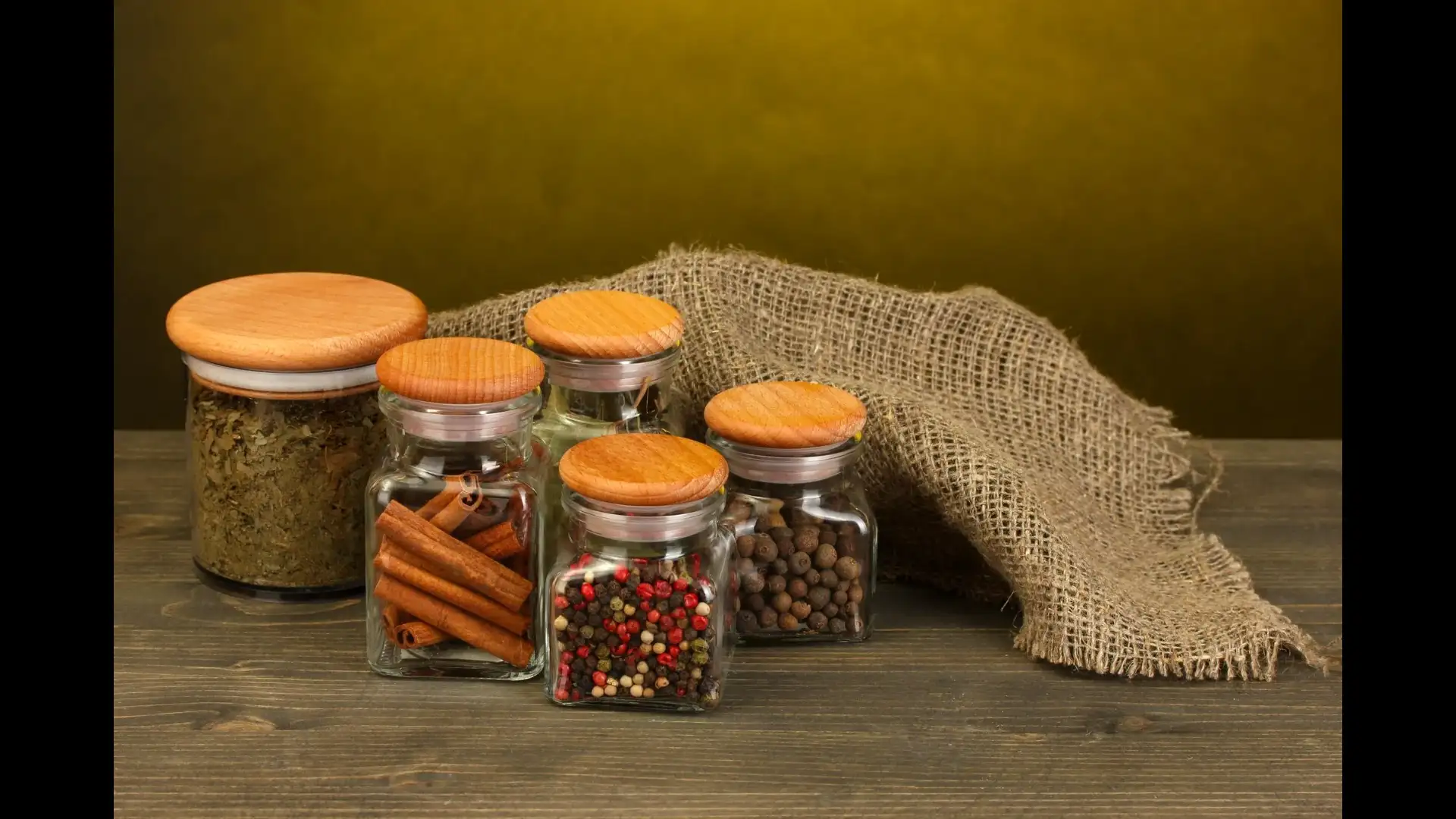
Reusing glass jars is a familiar household habit because the container is already available, easy to clean and useful for storing small quantities of food. Instead of buying a separate box for every ingredient, families can make use of what they already have.
The habit may seem ordinary, but it combines several practical advantages that explain why old jars remain popular in Indian kitchens.
A jar with a properly fitting lid can also help protect dry foods from dust and moisture. That matters in kitchens where humidity can affect ingredients such as spices, flour and snacks.
However, the condition of the jar and its lid matters. A cracked container or a lid that no longer seals properly may not be suitable for food storage. Jars used for strongly flavoured products should be washed thoroughly, as lingering smells can transfer to other ingredients.
The habit also reflects a practical approach to household waste. Glass containers can often be reused multiple times when they remain in good condition. Giving them another purpose may delay disposal, although recycling remains an option when a jar is no longer safe or useful.
In homes where people regularly prepare pickles, chutneys, masalas or homemade snacks, spare jars can be particularly handy.
There is a certain satisfaction in opening a cupboard and finding that the jars already available are just the right size for a new ingredient. Different shapes may not create a perfectly uniform shelf, but they can make storage affordable and flexible.
Of course, not every jar needs to be saved. Keeping too many can create clutter of its own. The most useful ones are those that are clean, intact and likely to be used.
Ultimately, reusing glass jars in Indian homes is less about a grand sustainability statement and more about everyday common sense. A container that has finished one job can still do another, making it a small but practical part of kitchen organisation.
Reusing glass jars is a familiar household habit because the container is already available, easy to clean and useful for storing small quantities of food. Instead of buying a separate box for every ingredient, families can make use of what they already have.
The habit may seem ordinary, but it combines several practical advantages that explain why old jars remain popular in Indian kitchens.
Glass Makes Everyday Ingredients Easier to Store
Glass jars are useful for keeping dry ingredients such as cumin seeds, cloves, cardamom, lentils and tea leaves organised. Transparent sides make it easier to identify what is inside without opening every container. This can save time when several similar ingredients are stored together.A jar with a properly fitting lid can also help protect dry foods from dust and moisture. That matters in kitchens where humidity can affect ingredients such as spices, flour and snacks.
You may also like
- Can eating blueberries every day improve your mood? A study in older adults found symptoms of depression declined significantly in people who consume the berries regularly
- In 1608-09, a Mughal calligrapher signed the reverse of a courtier's portrait; after entering a British baron's collection by 1937, the album page sold in London for £571,500 in 2026, nearly five times its top estimate
- Bruce Springsteen's youngest son, Sam, grew up with a rock legend for a dad, but followed a different dream and became a Jersey City firefighter
- LPG Gas Saving Tips: Gas cylinder will last for 15 days longer, stop these mistakes in the kitchen today
- How To Clean Steel Utensils: Old steel utensils will shine like new; just apply this one household item.
However, the condition of the jar and its lid matters. A cracked container or a lid that no longer seals properly may not be suitable for food storage. Jars used for strongly flavoured products should be washed thoroughly, as lingering smells can transfer to other ingredients.
The Value of Reusing What We Already Own
There is also a financial reason behind the habit. When a family already has a suitable container, buying another one may feel unnecessary. Reusing a jar is a small way to avoid an additional purchase, especially when the kitchen needs several containers for everyday ingredients.The habit also reflects a practical approach to household waste. Glass containers can often be reused multiple times when they remain in good condition. Giving them another purpose may delay disposal, although recycling remains an option when a jar is no longer safe or useful.
In homes where people regularly prepare pickles, chutneys, masalas or homemade snacks, spare jars can be particularly handy.
A Kitchen Habit Passed Between Generations
For many people, saving jars is something they learnt by watching parents or grandparents do it. A container that once held store-bought food becomes part of the kitchen's familiar collection, and its usefulness matters more than its original packaging.There is a certain satisfaction in opening a cupboard and finding that the jars already available are just the right size for a new ingredient. Different shapes may not create a perfectly uniform shelf, but they can make storage affordable and flexible.
Of course, not every jar needs to be saved. Keeping too many can create clutter of its own. The most useful ones are those that are clean, intact and likely to be used.
Ultimately, reusing glass jars in Indian homes is less about a grand sustainability statement and more about everyday common sense. A container that has finished one job can still do another, making it a small but practical part of kitchen organisation.






Loving Newspoint? Download the app now
