
Why Are Indian Spices Roasted Before Being Added to Food?

In many Indian kitchens, the smell of spices hitting a hot pan is enough to signal that a delicious meal is on its way. Cumin seeds crackle, coriander releases its earthy aroma, and freshly roasted spices can make an ordinary kitchen smell instantly inviting.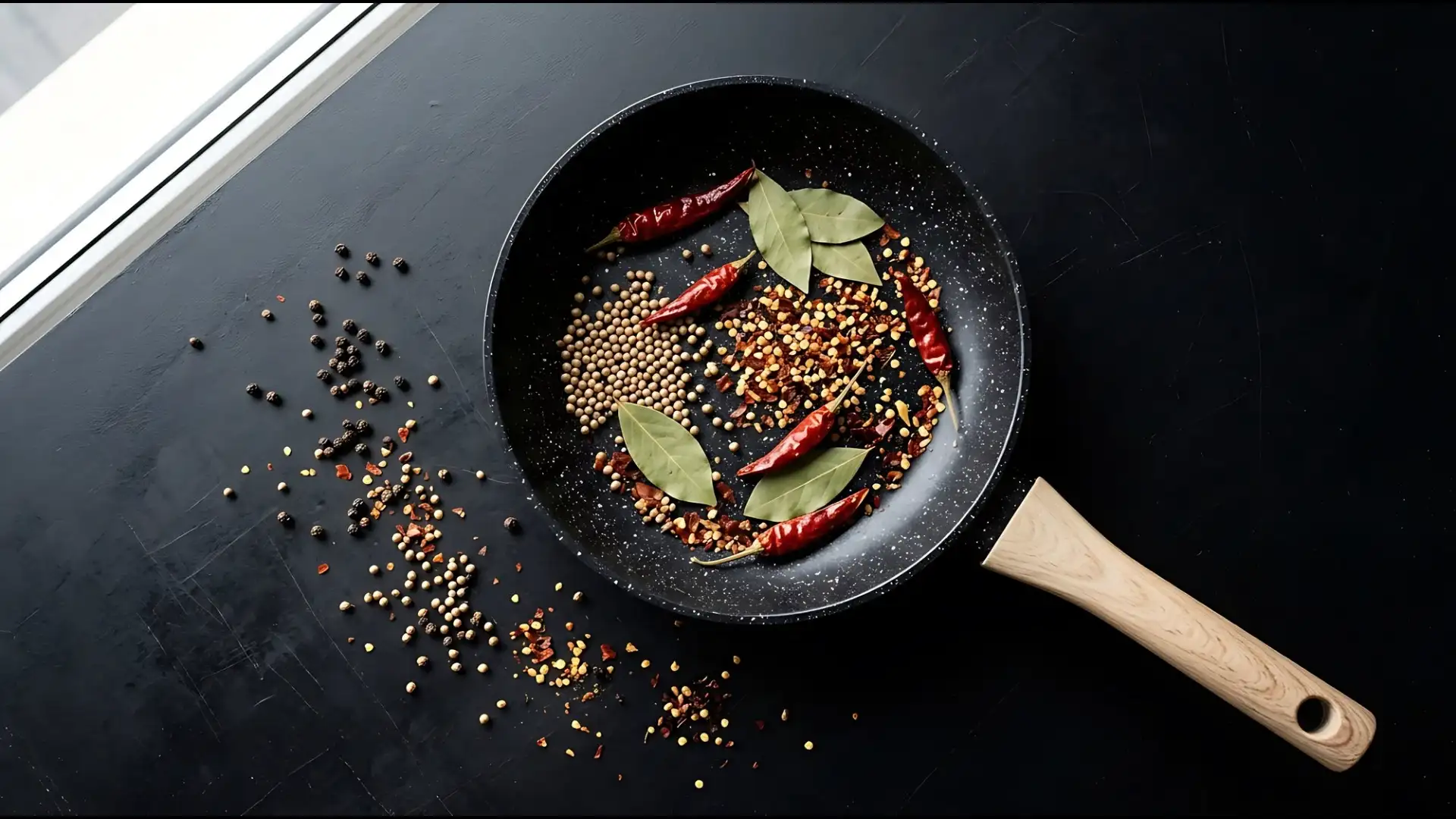
But why are Indian spices roasted before being added to food? The process is not merely a traditional habit. Heating spices changes their aroma and flavour, helping them contribute more complexity to a dish. The technique also varies depending on the ingredient, the recipe and whether the spices are used whole or ground.
Dry roasting also triggers chemical reactions that can create new flavour compounds. When controlled carefully, these changes can bring out nutty, earthy or toasted notes that are less noticeable in raw spices.
This is why roasted cumin may smell warmer and more intense than unheated cumin powder. Coriander seeds can develop a fuller, slightly nutty aroma, while other spices acquire their own distinctive roasted characteristics.
The result is a more layered flavour, although roasting does not automatically make every spice better in every recipe.
Dry roasting involves heating spices in a pan without adding oil. It is commonly used before grinding whole spices into powders for masalas or spice blends.
Tempering, often called tadka, involves heating spices in oil or ghee. The hot fat helps extract and distribute many flavour compounds throughout the dish. Depending on the recipe, ingredients such as mustard seeds, cumin, dried chillies and curry leaves may be added to the hot fat.
Both techniques build flavour, but they work differently. Dry roasting develops toasted aromas, while tempering helps spread spice flavours through the cooking fat.
Roasting immediately before grinding can therefore create a fragrant spice powder that tastes different from one made using unheated seeds.
However, timing matters. Excessive heat can burn spices, producing bitter or unpleasant flavours. Smaller seeds and delicate ingredients may need less time than larger, denser spices.
For best results, spices are usually heated over a low or medium flame and stirred regularly. They should be removed from the pan once they smell fragrant rather than left until they become very dark.
The choice depends on the ingredients and the desired result. Roasting coriander, cumin and other seeds before grinding may suit a spice blend, whereas adding cumin seeds to hot oil creates a different flavour profile.
Some spices can also lose their freshness or become bitter when exposed to excessive heat. Delicate powdered spices are therefore often added later in the cooking process, sometimes with a little liquid to prevent scorching.
Understanding these differences helps explain why the order of ingredients can matter as much as the ingredients themselves.
The important point is to use the right method for the recipe and avoid overheating the ingredients.
That familiar fragrance rising from a hot pan is not just a pleasant part of cooking. It is a sign that heat is transforming the spices and helping build the flavour that makes each dish distinctive.
But why are Indian spices roasted before being added to food? The process is not merely a traditional habit. Heating spices changes their aroma and flavour, helping them contribute more complexity to a dish. The technique also varies depending on the ingredient, the recipe and whether the spices are used whole or ground.
Heat Changes the Aroma of Spices
Spices contain naturally occurring aromatic compounds responsible for much of their characteristic smell and flavour. When heated, some of these compounds become easier to detect as they are released into the surrounding air.Dry roasting also triggers chemical reactions that can create new flavour compounds. When controlled carefully, these changes can bring out nutty, earthy or toasted notes that are less noticeable in raw spices.
This is why roasted cumin may smell warmer and more intense than unheated cumin powder. Coriander seeds can develop a fuller, slightly nutty aroma, while other spices acquire their own distinctive roasted characteristics.
The result is a more layered flavour, although roasting does not automatically make every spice better in every recipe.
Why Dry Roasting Is Different From Tempering
Indian cooking uses several methods to heat spices, and they are not interchangeable.Dry roasting involves heating spices in a pan without adding oil. It is commonly used before grinding whole spices into powders for masalas or spice blends.
Tempering, often called tadka, involves heating spices in oil or ghee. The hot fat helps extract and distribute many flavour compounds throughout the dish. Depending on the recipe, ingredients such as mustard seeds, cumin, dried chillies and curry leaves may be added to the hot fat.
Both techniques build flavour, but they work differently. Dry roasting develops toasted aromas, while tempering helps spread spice flavours through the cooking fat.
Why Whole Spices Are Often Roasted Before Grinding
Whole spices are frequently roasted before being ground because the process can make their aromas more pronounced. Grinding also increases the surface area exposed to air, allowing aromatic compounds to escape more readily.Roasting immediately before grinding can therefore create a fragrant spice powder that tastes different from one made using unheated seeds.
However, timing matters. Excessive heat can burn spices, producing bitter or unpleasant flavours. Smaller seeds and delicate ingredients may need less time than larger, denser spices.
For best results, spices are usually heated over a low or medium flame and stirred regularly. They should be removed from the pan once they smell fragrant rather than left until they become very dark.
Why Indian Recipes Use Different Roasting Methods
There is no single roasting method for every Indian dish. Some recipes call for raw ground spices to be added directly to a gravy, while others begin with whole spices sizzling in oil.The choice depends on the ingredients and the desired result. Roasting coriander, cumin and other seeds before grinding may suit a spice blend, whereas adding cumin seeds to hot oil creates a different flavour profile.
Some spices can also lose their freshness or become bitter when exposed to excessive heat. Delicate powdered spices are therefore often added later in the cooking process, sometimes with a little liquid to prevent scorching.
Understanding these differences helps explain why the order of ingredients can matter as much as the ingredients themselves.
A Small Technique That Makes a Big Difference
Roasting spices is one of the simplest ways to influence the flavour of Indian food. It can deepen aromas, create toasted notes and help distinguish one preparation from another.The important point is to use the right method for the recipe and avoid overheating the ingredients.
That familiar fragrance rising from a hot pan is not just a pleasant part of cooking. It is a sign that heat is transforming the spices and helping build the flavour that makes each dish distinctive.
Next Story