
Why Is Kubera Worshipped Despite Being Ravana's Brother?


When people hear that Kubera and Ravana were brothers, it often comes as a surprise. After all, Ravana is one of the most controversial figures in Hindu mythology, while Kubera is worshipped during Diwali and many other sacred rituals for blessings of wealth and abundance. The story reveals an important lesson hidden within ancient scriptures. In Hindu philosophy, a person's worth is not determined by birth or family but by actions, values, and devotion. Kubera earned divine respect through righteousness, while Ravana's unchecked ambition led to his destruction. Here is the fascinating story behind why Kubera is worshipped despite being Ravana's brother.
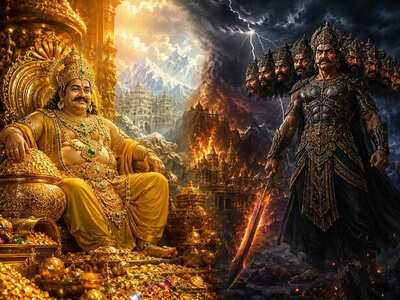
Kubera and Ravana Shared a Father but Not the Same NatureAccording to ancient texts, Kubera was the son of the sage Vishrava and his first wife Ilavila. Ravana was born later to Vishrava and Kaikesi, a woman from the Rakshasa lineage. Although they shared the same father, their upbringing and personalities were vastly different. Kubera inherited the qualities of discipline, wisdom, and spiritual balance. Ravana inherited extraordinary intelligence and devotion to Lord Shiva but gradually became consumed by pride and the desire for power. Hindu mythology repeatedly emphasizes that lineage does not decide one's destiny. Character does. This is one of the earliest examples where two brothers become symbols of opposite life paths.
Kubera Earned His Position Through Severe Penance
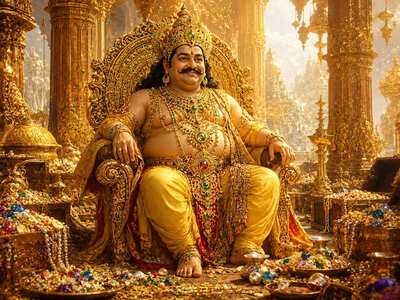 Seated amidst endless treasures in the heavenly city of Alakapuri, Lord Kubera represents prosperity, abundance, and the responsible use of wealth.
Kubera was not simply born the God of Wealth. According to the Puranas, he performed intense tapasya for thousands of years to please Lord Brahma. Impressed by his dedication, Brahma granted him immortality, immense wealth, and the position of Lokapala, the divine guardian of the northern direction. He was also entrusted with protecting the treasures of the universe. Kubera's wealth was never meant for personal luxury alone. He became the celestial treasurer responsible for maintaining cosmic balance and distributing prosperity according to divine order. This is why devotees pray to Kubera not merely for money, but for stable wealth earned through honest means.
Ravana Took Kubera's Kingdom and the Pushpaka Vimana
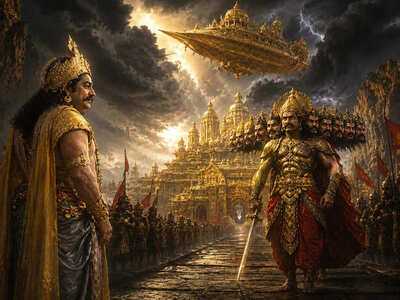 Driven by ambition, Ravana seized Lanka and the legendary Pushpaka Vimana from his half-brother Kubera, marking one of mythologys greatest tales of power and pride.
One of the lesser-known episodes in mythology is that Lanka originally belonged to Kubera. The golden city was built by the divine architect Vishwakarma and was ruled peacefully by Kubera. He also possessed the legendary Pushpaka Vimana, the magical flying chariot that could travel anywhere. Driven by ambition, Ravana attacked his half-brother, defeated him, seized Lanka, and took away the Pushpaka Vimana. Kubera did not wage a destructive war to reclaim his kingdom. Instead, he accepted destiny and continued serving the gods from his new abode, Alakapuri in the Himalayas. This event strengthened Kubera's image as a deity who valued duty over ego and peace over revenge.
Kubera Represents Wealth with ResponsibilityUnlike many myths where treasure leads to greed, Kubera symbolizes wealth that is guided by ethics. In Hindu traditions, Goddess Lakshmi blesses devotees with fortune, while Kubera is believed to safeguard and preserve that wealth. Together, they represent prosperity combined with wisdom. Many business owners and families worship Kubera during Diwali, Dhanteras, and housewarming ceremonies because he is associated with financial stability, abundance, and protection from unnecessary losses. His image, often depicted with a pot of jewels and a cheerful expression, reminds devotees that wealth should serve society rather than control it. The message is simple. Money becomes sacred when used with integrity.
Hindu Mythology Values Dharma Above Blood RelationsThe greatest reason Kubera is worshipped despite being Ravana's brother lies in the concept of dharma. Hindu epics repeatedly show that virtue matters more than family connections. Prahlada was born in a demon family but became one of Lord Vishnu's greatest devotees. Vibhishana, Ravana's own brother, chose righteousness over loyalty to evil. Kubera belongs to this tradition. His association with Ravana never diminished his divine status because he consistently followed the path of truth and responsibility. Ancient stories teach that every individual has the freedom to choose between ego and righteousness. Kubera and Ravana simply made different choices, and history remembers them accordingly.
The Brother Who Chose Virtue Over Power
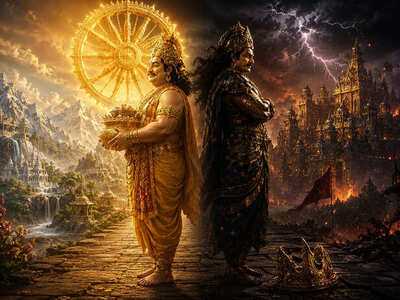 Born into the same family but guided by different value
Kubera's story is far more than an interesting family connection in Hindu mythology. It is a timeless reminder that greatness is earned through actions, not inherited through bloodlines. While Ravana became a symbol of pride and unchecked ambition, Kubera became a guardian of prosperity, generosity, and balance. His worship reflects the belief that true wealth is not about possessing treasures but about using them wisely and ethically. That is why millions continue to pray to Kubera today, not despite his relationship with Ravana, but because his life proves that goodness can rise above even the darkest family legacy.
Unlock insightful tips and inspiration on personal growth, productivity, and well-being. Stay motivated and updated with the latest atMy Life XP.
Kubera and Ravana Shared a Father but Not the Same NatureAccording to ancient texts, Kubera was the son of the sage Vishrava and his first wife Ilavila. Ravana was born later to Vishrava and Kaikesi, a woman from the Rakshasa lineage. Although they shared the same father, their upbringing and personalities were vastly different. Kubera inherited the qualities of discipline, wisdom, and spiritual balance. Ravana inherited extraordinary intelligence and devotion to Lord Shiva but gradually became consumed by pride and the desire for power. Hindu mythology repeatedly emphasizes that lineage does not decide one's destiny. Character does. This is one of the earliest examples where two brothers become symbols of opposite life paths.
Kubera Earned His Position Through Severe Penance
Kubera was not simply born the God of Wealth. According to the Puranas, he performed intense tapasya for thousands of years to please Lord Brahma. Impressed by his dedication, Brahma granted him immortality, immense wealth, and the position of Lokapala, the divine guardian of the northern direction. He was also entrusted with protecting the treasures of the universe. Kubera's wealth was never meant for personal luxury alone. He became the celestial treasurer responsible for maintaining cosmic balance and distributing prosperity according to divine order. This is why devotees pray to Kubera not merely for money, but for stable wealth earned through honest means.
Ravana Took Kubera's Kingdom and the Pushpaka Vimana
One of the lesser-known episodes in mythology is that Lanka originally belonged to Kubera. The golden city was built by the divine architect Vishwakarma and was ruled peacefully by Kubera. He also possessed the legendary Pushpaka Vimana, the magical flying chariot that could travel anywhere. Driven by ambition, Ravana attacked his half-brother, defeated him, seized Lanka, and took away the Pushpaka Vimana. Kubera did not wage a destructive war to reclaim his kingdom. Instead, he accepted destiny and continued serving the gods from his new abode, Alakapuri in the Himalayas. This event strengthened Kubera's image as a deity who valued duty over ego and peace over revenge.
Kubera Represents Wealth with ResponsibilityUnlike many myths where treasure leads to greed, Kubera symbolizes wealth that is guided by ethics. In Hindu traditions, Goddess Lakshmi blesses devotees with fortune, while Kubera is believed to safeguard and preserve that wealth. Together, they represent prosperity combined with wisdom. Many business owners and families worship Kubera during Diwali, Dhanteras, and housewarming ceremonies because he is associated with financial stability, abundance, and protection from unnecessary losses. His image, often depicted with a pot of jewels and a cheerful expression, reminds devotees that wealth should serve society rather than control it. The message is simple. Money becomes sacred when used with integrity.
Hindu Mythology Values Dharma Above Blood RelationsThe greatest reason Kubera is worshipped despite being Ravana's brother lies in the concept of dharma. Hindu epics repeatedly show that virtue matters more than family connections. Prahlada was born in a demon family but became one of Lord Vishnu's greatest devotees. Vibhishana, Ravana's own brother, chose righteousness over loyalty to evil. Kubera belongs to this tradition. His association with Ravana never diminished his divine status because he consistently followed the path of truth and responsibility. Ancient stories teach that every individual has the freedom to choose between ego and righteousness. Kubera and Ravana simply made different choices, and history remembers them accordingly.
The Brother Who Chose Virtue Over Power
Kubera's story is far more than an interesting family connection in Hindu mythology. It is a timeless reminder that greatness is earned through actions, not inherited through bloodlines. While Ravana became a symbol of pride and unchecked ambition, Kubera became a guardian of prosperity, generosity, and balance. His worship reflects the belief that true wealth is not about possessing treasures but about using them wisely and ethically. That is why millions continue to pray to Kubera today, not despite his relationship with Ravana, but because his life proves that goodness can rise above even the darkest family legacy.
Unlock insightful tips and inspiration on personal growth, productivity, and well-being. Stay motivated and updated with the latest atMy Life XP.
Next Story