
Why Is Petra Known as the Rose City of Jordan?

Petra is one of the world's most breathtaking archaeological treasures, drawing visitors from across the globe. Nestled in the rugged desert landscape of southern Jordan, this ancient city is famously known as the "Rose City." But what earned Petra this poetic nickname? The answer lies in its stunning natural beauty and remarkable history.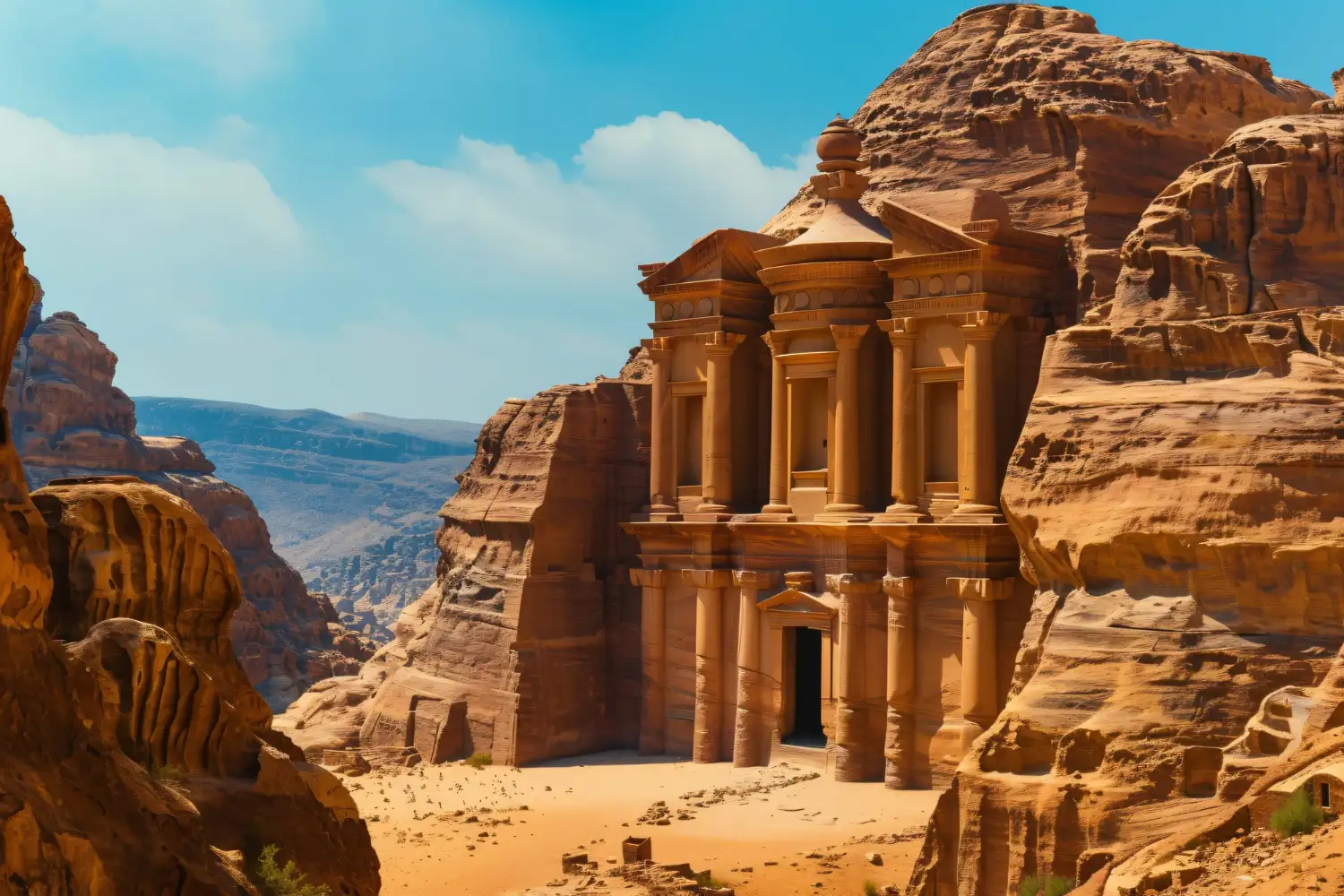
The Meaning Behind the Name
Petra is called the Rose City because of the distinctive pink, red, and rose-colored sandstone cliffs from which much of the city was carved. As sunlight shifts throughout the day, the stone changes shades, creating a mesmerizing display of colors that range from soft pink to deep crimson.
A City Carved into Rock
Unlike many ancient settlements built with bricks and stone blocks, Petra was carved directly into towering rock faces. Skilled craftsmen of the Nabataean civilization transformed the sandstone cliffs into temples, tombs, and monuments. The rose-colored rock gave the entire city a unique and unforgettable appearance.
The Legacy of the Nabataeans
Petra was established by the Nabataeans, an Arab civilization that flourished more than 2,000 years ago. Thanks to its strategic location along important trade routes, Petra became a prosperous center for commerce, connecting Arabia, Egypt, and the Mediterranean world.
The Famous Treasury
One of Petra's most iconic landmarks is the Treasury, known locally as Al-Khazneh. Carved into a massive sandstone cliff, its intricate facade glows in shades of pink and gold, especially during sunrise and sunset. This stunning structure is often the first image people associate with the Rose City.
The Meaning Behind the Name
Petra is called the Rose City because of the distinctive pink, red, and rose-colored sandstone cliffs from which much of the city was carved. As sunlight shifts throughout the day, the stone changes shades, creating a mesmerizing display of colors that range from soft pink to deep crimson. A City Carved into Rock
Unlike many ancient settlements built with bricks and stone blocks, Petra was carved directly into towering rock faces. Skilled craftsmen of the Nabataean civilization transformed the sandstone cliffs into temples, tombs, and monuments. The rose-colored rock gave the entire city a unique and unforgettable appearance.The Legacy of the Nabataeans
Petra was established by the Nabataeans, an Arab civilization that flourished more than 2,000 years ago. Thanks to its strategic location along important trade routes, Petra became a prosperous center for commerce, connecting Arabia, Egypt, and the Mediterranean world. The Famous Treasury
One of Petra's most iconic landmarks is the Treasury, known locally as Al-Khazneh. Carved into a massive sandstone cliff, its intricate facade glows in shades of pink and gold, especially during sunrise and sunset. This stunning structure is often the first image people associate with the Rose City.Next Story