
Why Jaipur Is Called the Pink City of India: History, Royal Legacy and Fascinating Facts

Why Jaipur is called the Pink City of India is a question that fascinates travellers, history lovers, and cultural enthusiasts alike. Rajasthan’s capital, Jaipur, is globally recognised for its stunning pink-toned architecture, especially in its historic old city. But this iconic colour was not accidental - it was the result of royal vision, cultural symbolism, and a historic event dating back to the 19th century. Today, Jaipur’s pink identity is not just a visual charm but a symbol of hospitality, heritage, and architectural pride.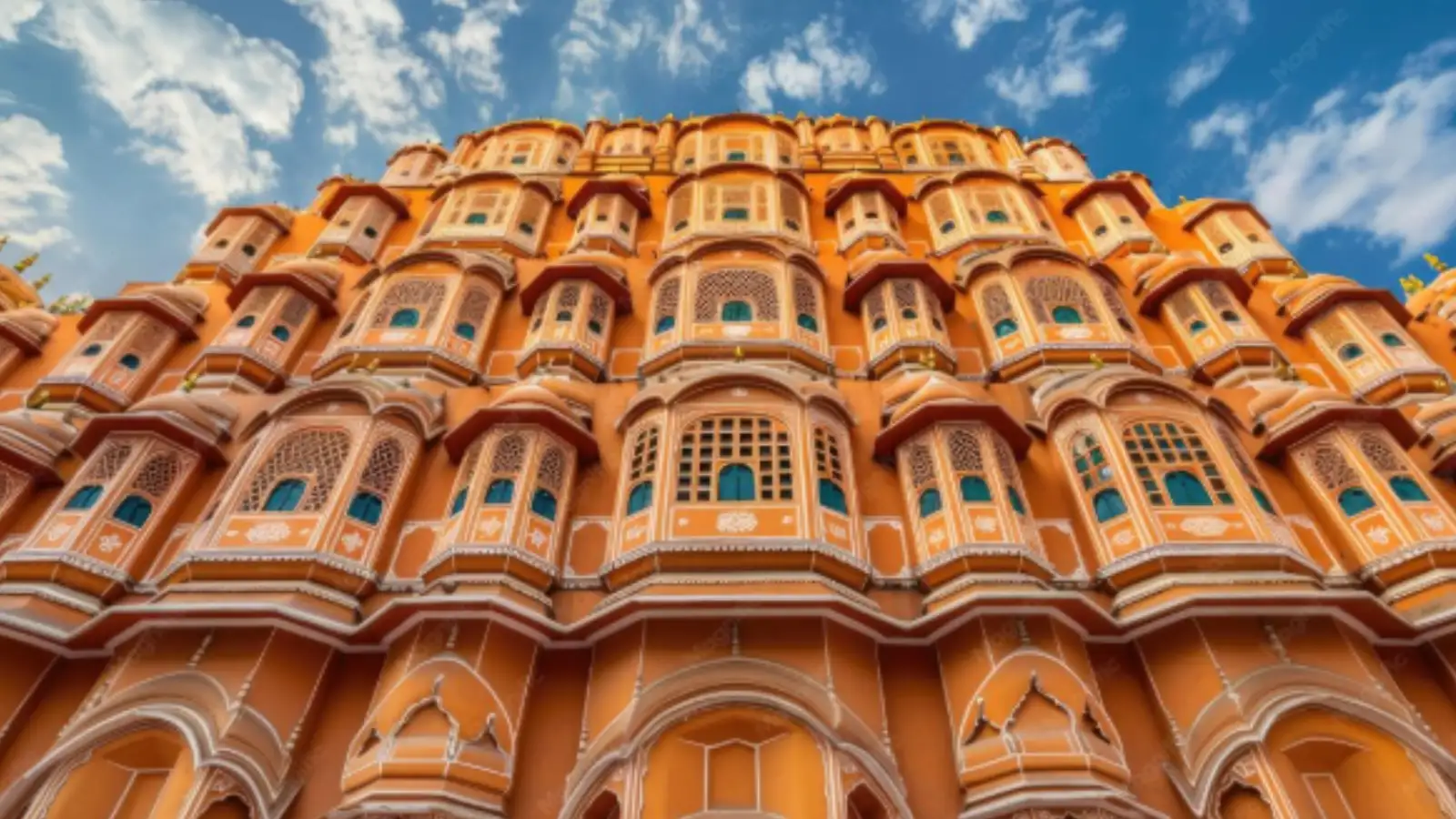
The Origin of Jaipur’s Pink Identity
Jaipur earned the title of the “Pink City” in 1876 during the reign of Maharaja Sawai Ram Singh II . The Maharaja ordered the entire walled city to be painted in a terracotta pink shade to welcome Prince Albert, the Prince of Wales, during his visit to India.
At that time, pink was widely regarded as a colour representing warmth and hospitality. By transforming Jaipur into a city dressed in pink, the Maharaja created a grand royal welcome that left a lasting impression on the British guests. What began as a ceremonial gesture soon became Jaipur’s defining characteristic.
The Historic Royal Decree of 1876
The large-scale painting of Jaipur was not a minor decorative project - it was a carefully planned royal initiative. Public buildings, marketplaces, havelis, and homes within the old city were all painted in a uniform pink shade, giving Jaipur a unique and harmonious appearance.
This transformation made the city visually striking and culturally memorable. The Prince of Wales was reportedly deeply impressed by Jaipur’s organised beauty, and from then onward, the city’s pink colour became legendary.
Why Pink Was Chosen for Jaipur
The choice of pink was deeply rooted in both tradition and practicality:
Symbol of Hospitality
In Indian and Rajasthani culture, pink is associated with welcoming guests and warmth. It reflected Jaipur’s gracious spirit.
Reflection of Local Architecture
The terracotta or “gerua” shade mirrored the natural sandstone used in many regional structures, creating a cohesive architectural identity.
The Legal Protection Behind Jaipur’s Pink Colour
Jaipur’s pink heritage did not fade with time because it was protected by law. Following the royal order, regulations were introduced to preserve the city’s distinctive appearance.
Even today, in Jaipur’s historic Walled City, property owners and shopkeepers must maintain the traditional pink exterior during renovations or repainting. This legal protection has helped preserve Jaipur’s heritage charm for generations.
Jaipur’s UNESCO World Heritage Recognition
In 2019, Jaipur was declared a UNESCO World Heritage Site, a recognition of its exceptional urban planning, cultural importance, and architectural consistency.
Jaipur’s cityscape beautifully combines Rajput, Mughal, and European influences, visible in landmarks like:
The preserved pink aesthetic played a significant role in strengthening Jaipur’s global cultural image.
What Is the Actual Shade of Jaipur’s Pink?
Jaipur’s famous pink is not bright or flashy. It is a muted terracotta or dusty rose shade, often called “gerua.” This earthy tone reflects tradition, elegance, and harmony with Rajasthan’s landscape.
Who Founded Jaipur?
Jaipur was established in 1727 by Maharaja Sawai Jai Singh II, a visionary ruler, astronomer, and planner. He shifted his capital from Amer to Jaipur due to water scarcity and population growth, creating one of India’s earliest planned cities.
Was Jaipur Always Pink?
No. Before 1876, Jaipur’s buildings largely featured natural stone shades such as white, beige, or pale yellow. The transformation into the Pink City happened later as part of the grand royal welcome for Prince Albert.
Is All of Jaipur Painted Pink Today?
Not entirely. The mandatory pink colour code mainly applies to Jaipur’s Old City or Walled City. However, many heritage hotels, government buildings, and tourism-focused establishments across Jaipur voluntarily embrace the pink theme.
Jaipur: A City Where Colour Became Legacy
Jaipur’s journey to becoming the Pink City is a rare example of how a diplomatic gesture evolved into a permanent cultural identity. What started as a royal welcome in 1876 is now one of India’s most recognisable urban symbols.
The pink walls of Jaipur are more than just beautiful - they tell a story of hospitality, heritage preservation, and royal grandeur. This lasting legacy makes Jaipur not only Rajasthan’s capital but also one of the most visually iconic cities in the world.
The Origin of Jaipur’s Pink Identity
Jaipur earned the title of the “Pink City” in 1876 during the reign of Maharaja Sawai Ram Singh II . The Maharaja ordered the entire walled city to be painted in a terracotta pink shade to welcome Prince Albert, the Prince of Wales, during his visit to India.
At that time, pink was widely regarded as a colour representing warmth and hospitality. By transforming Jaipur into a city dressed in pink, the Maharaja created a grand royal welcome that left a lasting impression on the British guests. What began as a ceremonial gesture soon became Jaipur’s defining characteristic.
The Historic Royal Decree of 1876
The large-scale painting of Jaipur was not a minor decorative project - it was a carefully planned royal initiative. Public buildings, marketplaces, havelis, and homes within the old city were all painted in a uniform pink shade, giving Jaipur a unique and harmonious appearance.
This transformation made the city visually striking and culturally memorable. The Prince of Wales was reportedly deeply impressed by Jaipur’s organised beauty, and from then onward, the city’s pink colour became legendary.
Why Pink Was Chosen for Jaipur
The choice of pink was deeply rooted in both tradition and practicality:
Symbol of Hospitality
In Indian and Rajasthani culture, pink is associated with welcoming guests and warmth. It reflected Jaipur’s gracious spirit. Reflection of Local Architecture
The terracotta or “gerua” shade mirrored the natural sandstone used in many regional structures, creating a cohesive architectural identity.
Climate-Friendly Appeal
The earthy pink hue also provided a soothing visual effect amid Rajasthan’s intense desert climate.You may also like
- Exploring the Unique Traits of Individuals Born in May
- Stay Fresh: Effective Tips for Storing Coriander and Mint in Summer
- I'm a Celeb star Scarlett Moffatt launches summer dress range from £8 with sizes up to 32
- Korean proverb of the day for success: “Don't aim for success if you want it; just do what you love and believe in, and it will come naturally” — lessons on passion, purpose, consistency, and long-term growth
- If you cut onions this way, you will never cry. Know the best way.
The Legal Protection Behind Jaipur’s Pink Colour
Jaipur’s pink heritage did not fade with time because it was protected by law. Following the royal order, regulations were introduced to preserve the city’s distinctive appearance.
Even today, in Jaipur’s historic Walled City, property owners and shopkeepers must maintain the traditional pink exterior during renovations or repainting. This legal protection has helped preserve Jaipur’s heritage charm for generations.
Jaipur’s UNESCO World Heritage Recognition
In 2019, Jaipur was declared a UNESCO World Heritage Site, a recognition of its exceptional urban planning, cultural importance, and architectural consistency.
Jaipur’s cityscape beautifully combines Rajput, Mughal, and European influences, visible in landmarks like:
- Hawa Mahal
- City Palace
- Jantar Mantar
The preserved pink aesthetic played a significant role in strengthening Jaipur’s global cultural image.
What Is the Actual Shade of Jaipur’s Pink?
Jaipur’s famous pink is not bright or flashy. It is a muted terracotta or dusty rose shade, often called “gerua.” This earthy tone reflects tradition, elegance, and harmony with Rajasthan’s landscape.
Who Founded Jaipur?
Jaipur was established in 1727 by Maharaja Sawai Jai Singh II, a visionary ruler, astronomer, and planner. He shifted his capital from Amer to Jaipur due to water scarcity and population growth, creating one of India’s earliest planned cities.
Was Jaipur Always Pink?
No. Before 1876, Jaipur’s buildings largely featured natural stone shades such as white, beige, or pale yellow. The transformation into the Pink City happened later as part of the grand royal welcome for Prince Albert.
Is All of Jaipur Painted Pink Today?
Not entirely. The mandatory pink colour code mainly applies to Jaipur’s Old City or Walled City. However, many heritage hotels, government buildings, and tourism-focused establishments across Jaipur voluntarily embrace the pink theme.
Jaipur: A City Where Colour Became Legacy
Jaipur’s journey to becoming the Pink City is a rare example of how a diplomatic gesture evolved into a permanent cultural identity. What started as a royal welcome in 1876 is now one of India’s most recognisable urban symbols.
The pink walls of Jaipur are more than just beautiful - they tell a story of hospitality, heritage preservation, and royal grandeur. This lasting legacy makes Jaipur not only Rajasthan’s capital but also one of the most visually iconic cities in the world.






More from our partners


Loving Newspoint? Download the app now
