
Why Is This Rajasthan City Known as the Sun City of India? Find Out Here

Rajasthan is home to many iconic destinations, but Jodhpur stands apart with its unique blend of history, culture, and desert charm. Perched on the edge of the Thar Desert, the city enjoys bright sunshine for most of the year, earning it the famous title of India's Sun City. Yet Jodhpur is much more than its sunny weather. From majestic forts and royal palaces to blue-painted streets and bustling markets, the city offers a fascinating glimpse into Rajasthan's rich heritage.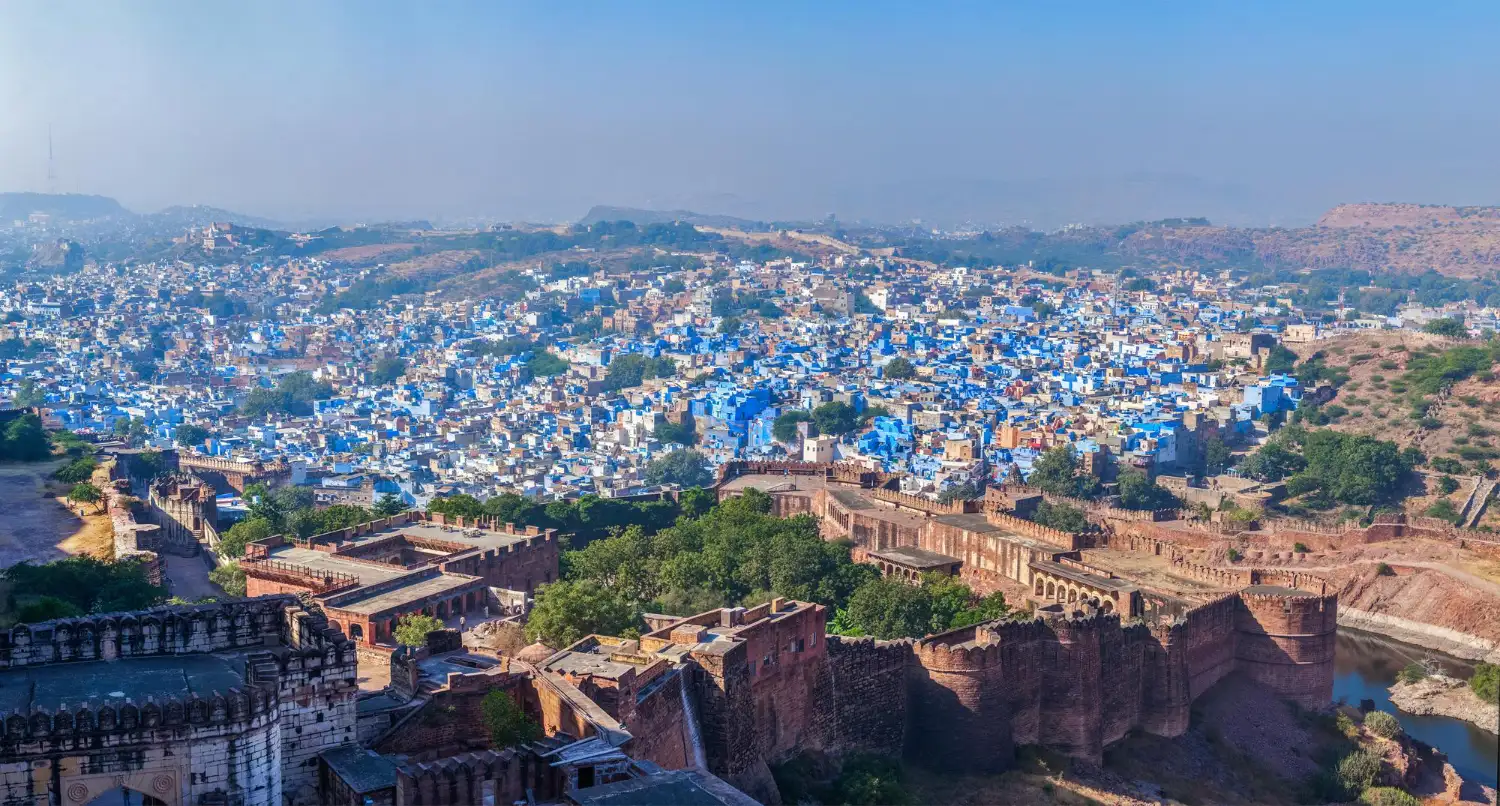
Why Is Jodhpur Called the Sun City?
Jodhpur receives abundant sunshine throughout the year due to its location near the Thar Desert. Clear skies and dry weather dominate the region, creating the bright conditions that inspired its popular nickname. The city's golden sandstone buildings glow beautifully under the sun, creating stunning views from dawn to dusk.
A City Built by Kings
Jodhpur was founded in 1459 by Rao Jodha, the ruler of the Rathore dynasty, who established it as the capital of Marwar. Its strategic location along ancient trade routes helped it flourish as a major center for commerce and craftsmanship. Even today, the city's forts, gates, and palaces reflect centuries of royal influence.
Mehrangarh Fort : The Pride of Jodhpur
Towering over the city from a rocky hilltop, Mehrangarh Fort is Jodhpur's most famous landmark. The massive fortress houses elegant palaces, grand courtyards, and galleries filled with royal artifacts. Intricately decorated halls such as Moti Mahal and Phool Mahal offer a glimpse into the luxurious lives of Marwar's rulers.
The fort also provides breathtaking views of the city's blue neighborhoods and the vast desert landscape beyond.
Umaid Bhawan Palace : A Royal Masterpiece
Unlike Rajasthan's ancient forts, Umaid Bhawan Palace represents a more modern chapter of Jodhpur's royal history. Built in the 20th century, the palace blends Indian and European architectural styles. Its grand domes, sprawling gardens, and elegant interiors make it one of India's most impressive royal residences.
Today, the palace serves as a royal residence, museum, and luxury heritage hotel.
More Gems to Explore
Jodhpur offers plenty beyond its iconic landmarks. Jaswant Thada, a beautiful marble memorial, is known for its peaceful surroundings and intricate craftsmanship. Mandore Gardens showcases historic cenotaphs, temples, and remnants of the region's former capital.
Nature enthusiasts can explore Rao Jodha Desert Rock Park, which highlights the native flora of the Thar Desert through scenic walking trails. Temples such as Chamunda Mata Temple and Mandaleshwar Mahadev Temple continue to attract devotees and visitors alike.
The Blue City's Vibrant Markets
Jodhpur's lively markets are a feast for the senses. Around Clock Tower and Sardar Market, visitors can browse colorful textiles, traditional jewelry, spices, handicrafts, and souvenirs. The city's thriving craft industry is renowned for handcrafted furniture, marble work, carpets, glass bangles, and other traditional products passed down through generations.
Festivals That Keep Traditions Alive
Jodhpur's cultural calendar remains packed throughout the year. Festivals such as Gangaur, Holi, Diwali, and Nag Panchami fill the city with celebrations and vibrant colors. The famous Marwar Festival showcases Rajasthan's folk music, dance, and storytelling traditions, offering visitors an authentic cultural experience.
A Food Lover's Delight
No trip to Jodhpur is complete without sampling its famous cuisine. Local favorites include pyaaz ki kachori, mirchi vada, and the rich, creamy makhaniya lassi. Traditional Rajasthani dishes such as dal baati churma, gatte ki sabzi, and ker sangri reflect the region's desert heritage.
Those with a sweet tooth can indulge in ghevar, mawa kachori, malpua, and laddus, especially during festive seasons.
Why Is Jodhpur Also Called the Blue City?
Alongside its Sun City identity, Jodhpur is famously known as the Blue City. From the ramparts of Mehrangarh Fort, visitors can see clusters of blue-painted houses spread across the old city. Originally associated with Brahmin households, the tradition gradually spread across communities. Today, these blue facades have become one of Jodhpur's most recognizable and photographed attractions.
Gateway to the Thar Desert
Jodhpur's location makes it an ideal starting point for exploring western Rajasthan. The city is well connected by air, rail, and road, with regular links to Delhi, Mumbai, Jaipur, Udaipur, Jaisalmer, and other major destinations.
While many travelers use Jodhpur as a gateway to the desert, the city itself leaves a lasting impression. Its royal heritage, blue streets, vibrant culture, and timeless traditions make it one of Rajasthan's most captivating destinations.
Why Is Jodhpur Called the Sun City?
Jodhpur receives abundant sunshine throughout the year due to its location near the Thar Desert. Clear skies and dry weather dominate the region, creating the bright conditions that inspired its popular nickname. The city's golden sandstone buildings glow beautifully under the sun, creating stunning views from dawn to dusk. A City Built by Kings
Jodhpur was founded in 1459 by Rao Jodha, the ruler of the Rathore dynasty, who established it as the capital of Marwar. Its strategic location along ancient trade routes helped it flourish as a major center for commerce and craftsmanship. Even today, the city's forts, gates, and palaces reflect centuries of royal influence.Mehrangarh Fort : The Pride of Jodhpur
Towering over the city from a rocky hilltop, Mehrangarh Fort is Jodhpur's most famous landmark. The massive fortress houses elegant palaces, grand courtyards, and galleries filled with royal artifacts. Intricately decorated halls such as Moti Mahal and Phool Mahal offer a glimpse into the luxurious lives of Marwar's rulers. The fort also provides breathtaking views of the city's blue neighborhoods and the vast desert landscape beyond.
Umaid Bhawan Palace : A Royal Masterpiece
Unlike Rajasthan's ancient forts, Umaid Bhawan Palace represents a more modern chapter of Jodhpur's royal history. Built in the 20th century, the palace blends Indian and European architectural styles. Its grand domes, sprawling gardens, and elegant interiors make it one of India's most impressive royal residences. Today, the palace serves as a royal residence, museum, and luxury heritage hotel.
More Gems to Explore
Jodhpur offers plenty beyond its iconic landmarks. Jaswant Thada, a beautiful marble memorial, is known for its peaceful surroundings and intricate craftsmanship. Mandore Gardens showcases historic cenotaphs, temples, and remnants of the region's former capital. Nature enthusiasts can explore Rao Jodha Desert Rock Park, which highlights the native flora of the Thar Desert through scenic walking trails. Temples such as Chamunda Mata Temple and Mandaleshwar Mahadev Temple continue to attract devotees and visitors alike.
You may also like
- Serena Williams is back at Wimbledon: Five lessons in resilience, confidence and grit
- Discover the Authentic Recipe for Rajasthani Gatte ki Sabzi
- "You don't have to travel on cheap and dirty trains": Polish woman shares her travel experience in Vande Bharat
- Blocked Milk Duct: Signs Every Breastfeeding Mum Should Know
- Delicious Homemade Raj Kachori Recipe for Chaat Lovers
The Blue City's Vibrant Markets
Jodhpur's lively markets are a feast for the senses. Around Clock Tower and Sardar Market, visitors can browse colorful textiles, traditional jewelry, spices, handicrafts, and souvenirs. The city's thriving craft industry is renowned for handcrafted furniture, marble work, carpets, glass bangles, and other traditional products passed down through generations. Festivals That Keep Traditions Alive
Jodhpur's cultural calendar remains packed throughout the year. Festivals such as Gangaur, Holi, Diwali, and Nag Panchami fill the city with celebrations and vibrant colors. The famous Marwar Festival showcases Rajasthan's folk music, dance, and storytelling traditions, offering visitors an authentic cultural experience. A Food Lover's Delight
No trip to Jodhpur is complete without sampling its famous cuisine. Local favorites include pyaaz ki kachori, mirchi vada, and the rich, creamy makhaniya lassi. Traditional Rajasthani dishes such as dal baati churma, gatte ki sabzi, and ker sangri reflect the region's desert heritage. Those with a sweet tooth can indulge in ghevar, mawa kachori, malpua, and laddus, especially during festive seasons.
Why Is Jodhpur Also Called the Blue City?
Alongside its Sun City identity, Jodhpur is famously known as the Blue City. From the ramparts of Mehrangarh Fort, visitors can see clusters of blue-painted houses spread across the old city. Originally associated with Brahmin households, the tradition gradually spread across communities. Today, these blue facades have become one of Jodhpur's most recognizable and photographed attractions.Gateway to the Thar Desert
Jodhpur's location makes it an ideal starting point for exploring western Rajasthan. The city is well connected by air, rail, and road, with regular links to Delhi, Mumbai, Jaipur, Udaipur, Jaisalmer, and other major destinations. While many travelers use Jodhpur as a gateway to the desert, the city itself leaves a lasting impression. Its royal heritage, blue streets, vibrant culture, and timeless traditions make it one of Rajasthan's most captivating destinations.






More from our partners


Loving Newspoint? Download the app now
