
Sacred or Superficial?: Why the "Lakshmi-Maxxing" Trend Is Sparking a Cultural Backlash

The intersection of modern wellness culture and internet terminology has frequently generated bizarre trends, but few have ignited as much intense public outrage as the viral phenomenon known as "Lakshmi-Maxxing." Originating across lifestyle platforms, the term combines "maxxing" an online slang suffix meaning to maximize one's potential, appearance, or wealth with Goddess Lakshmi, the revered Hindu deity of wealth, prosperity, auspiciousness, and spiritual abundance. What began as a series of aesthetic videos claiming to teach viewers how to attract money and luxury has rapidly spiraled into a major cultural and religious controversy, raising critical questions about digital-era sacredness and cultural appropriation.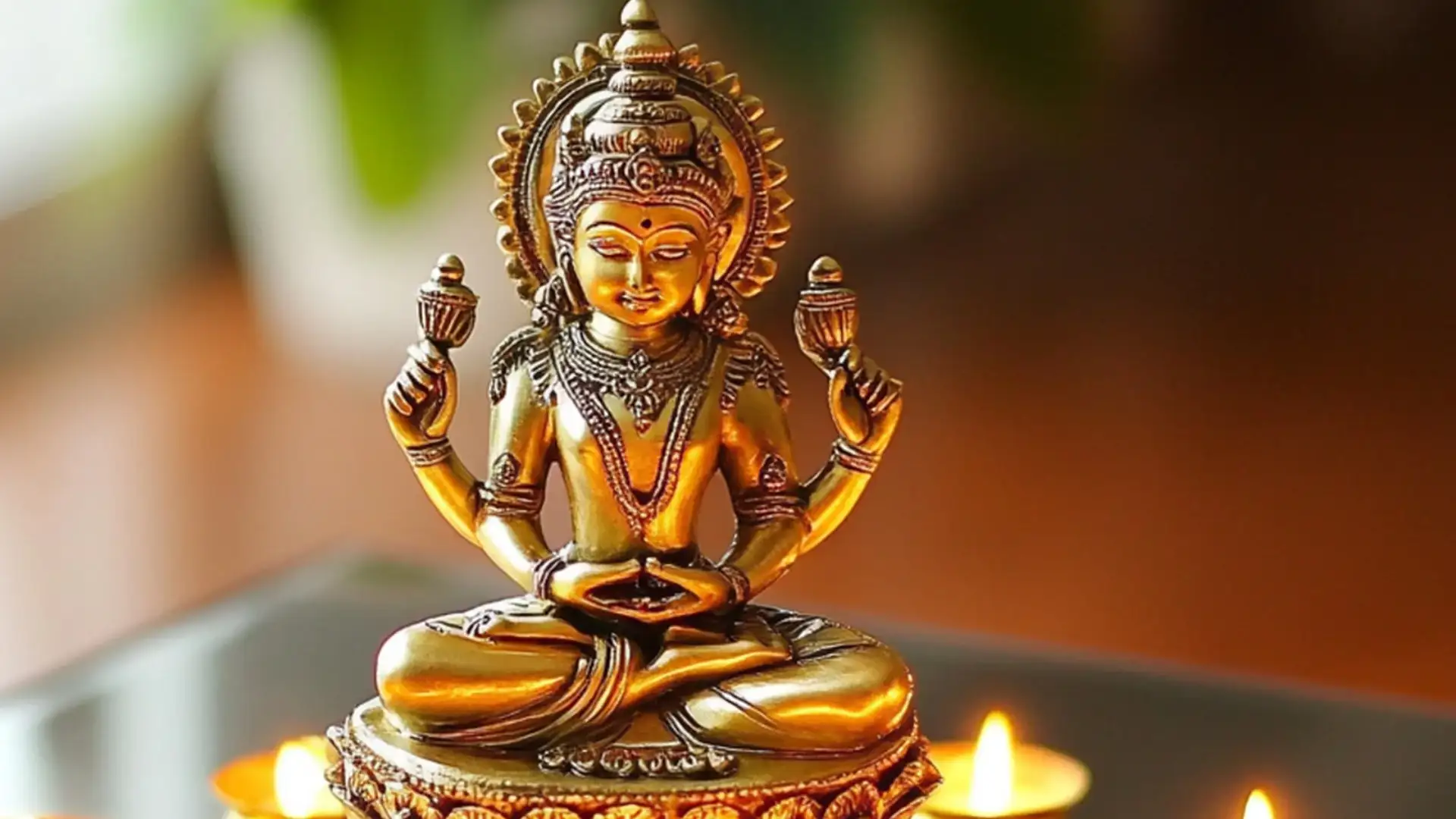
At the heart of the backlash is the trivialization of deep-rooted spiritual beliefs. In traditional Hindu practice, Goddess Lakshmi represents far more than mere material riches. She embodies spiritual purity, ethical wealth creation, generosity, domestic harmony, and righteousness. Devotees honor her through disciplined prayers, cleanliness, fasting, and moral living. However, the online "Lakshmi-Maxxing" trend strips away this sacred context entirely. Influencers have reduced veneration to surface-level aesthetic hacks, encouraging followers to light scented candles, dress in specific colors, purchase expensive gold jewelry, or chant mantras while visualizing luxury items like designer bags and luxury cars.
Critics and religious scholars argue that converting sacred rituals into rapid wealth-manifestation hacks promotes a deeply transactional view of spirituality. By framing a divine figure as an algorithmic shortcut to personal fortune, the trend trivializes centuries-old traditions. Many practitioners express frustration over how sacred symbols, such as lotus flowers, traditional lamps, and traditional chants, are being commodified for social media views, likes, and brand deals. The reduction of a major deity to an internet aesthetic mirror broader concerns about how global wellness culture cherry-picks Eastern spiritual practices while ignoring their original ethical foundations.
Furthermore, the language used in the trend has drawn widespread sharp condemnation. Appending internet slang like "maxxing" to the name of a worshiped deity is viewed by millions as disrespectful and mocking. Commentators point out that while personal devotion is inherently individual, public trends that commercialize and bastardize religious names cross the line into offense. The trend has also reignited ongoing debates surrounding the persistent appropriation of Indian cultural and religious heritage in the Western-dominated wellness industry, where sacred practices like yoga, Ayurveda, and now deity devotion are routinely rebranded for commercial consumption.
As backlash continues to build across social media platforms and public forums, calls for greater cultural literacy and religious awareness have intensified. Critics emphasize that engaging with ancient traditions requires genuine respect, proper understanding, and ethical consideration rather than self-serving commodification. The controversy surrounding "Lakshmi-Maxxing" serves as a stark reminder of the dangerous line between spiritual inspiration and offensive exploitation in today's fast-paced, hyper-commercialized digital landscape.
You may also like
- Beyond the plate: Why your child might still be low in iron and how to fix it
- Principles of Acharya Chanakya : It will be easy to identify a liar, just remember these 5 principles of Acharya Chanakya
- Grandma mistakes chatgpt for a real woman on the phone, her adorable reactions win hearts online
- Woman suddenly starts screaming and crying inside theatre as Hanuman Chalisa plays during 'Hanuman Ansh'; watch
- 6 Small plants that can bring in positivity and good luck
At the heart of the backlash is the trivialization of deep-rooted spiritual beliefs. In traditional Hindu practice, Goddess Lakshmi represents far more than mere material riches. She embodies spiritual purity, ethical wealth creation, generosity, domestic harmony, and righteousness. Devotees honor her through disciplined prayers, cleanliness, fasting, and moral living. However, the online "Lakshmi-Maxxing" trend strips away this sacred context entirely. Influencers have reduced veneration to surface-level aesthetic hacks, encouraging followers to light scented candles, dress in specific colors, purchase expensive gold jewelry, or chant mantras while visualizing luxury items like designer bags and luxury cars.
Critics and religious scholars argue that converting sacred rituals into rapid wealth-manifestation hacks promotes a deeply transactional view of spirituality. By framing a divine figure as an algorithmic shortcut to personal fortune, the trend trivializes centuries-old traditions. Many practitioners express frustration over how sacred symbols, such as lotus flowers, traditional lamps, and traditional chants, are being commodified for social media views, likes, and brand deals. The reduction of a major deity to an internet aesthetic mirror broader concerns about how global wellness culture cherry-picks Eastern spiritual practices while ignoring their original ethical foundations.
Furthermore, the language used in the trend has drawn widespread sharp condemnation. Appending internet slang like "maxxing" to the name of a worshiped deity is viewed by millions as disrespectful and mocking. Commentators point out that while personal devotion is inherently individual, public trends that commercialize and bastardize religious names cross the line into offense. The trend has also reignited ongoing debates surrounding the persistent appropriation of Indian cultural and religious heritage in the Western-dominated wellness industry, where sacred practices like yoga, Ayurveda, and now deity devotion are routinely rebranded for commercial consumption.
As backlash continues to build across social media platforms and public forums, calls for greater cultural literacy and religious awareness have intensified. Critics emphasize that engaging with ancient traditions requires genuine respect, proper understanding, and ethical consideration rather than self-serving commodification. The controversy surrounding "Lakshmi-Maxxing" serves as a stark reminder of the dangerous line between spiritual inspiration and offensive exploitation in today's fast-paced, hyper-commercialized digital landscape.






Loving Newspoint? Download the app now
