
Why Indians Are Searching For Matcha: Health, Caffeine, Recipes And More

Matcha has quickly established itself as one of the most talked-about beverage trends in India. What began largely as a café menu choice is now attracting interest from people who want to understand the drink, prepare it at home and experiment with different versions.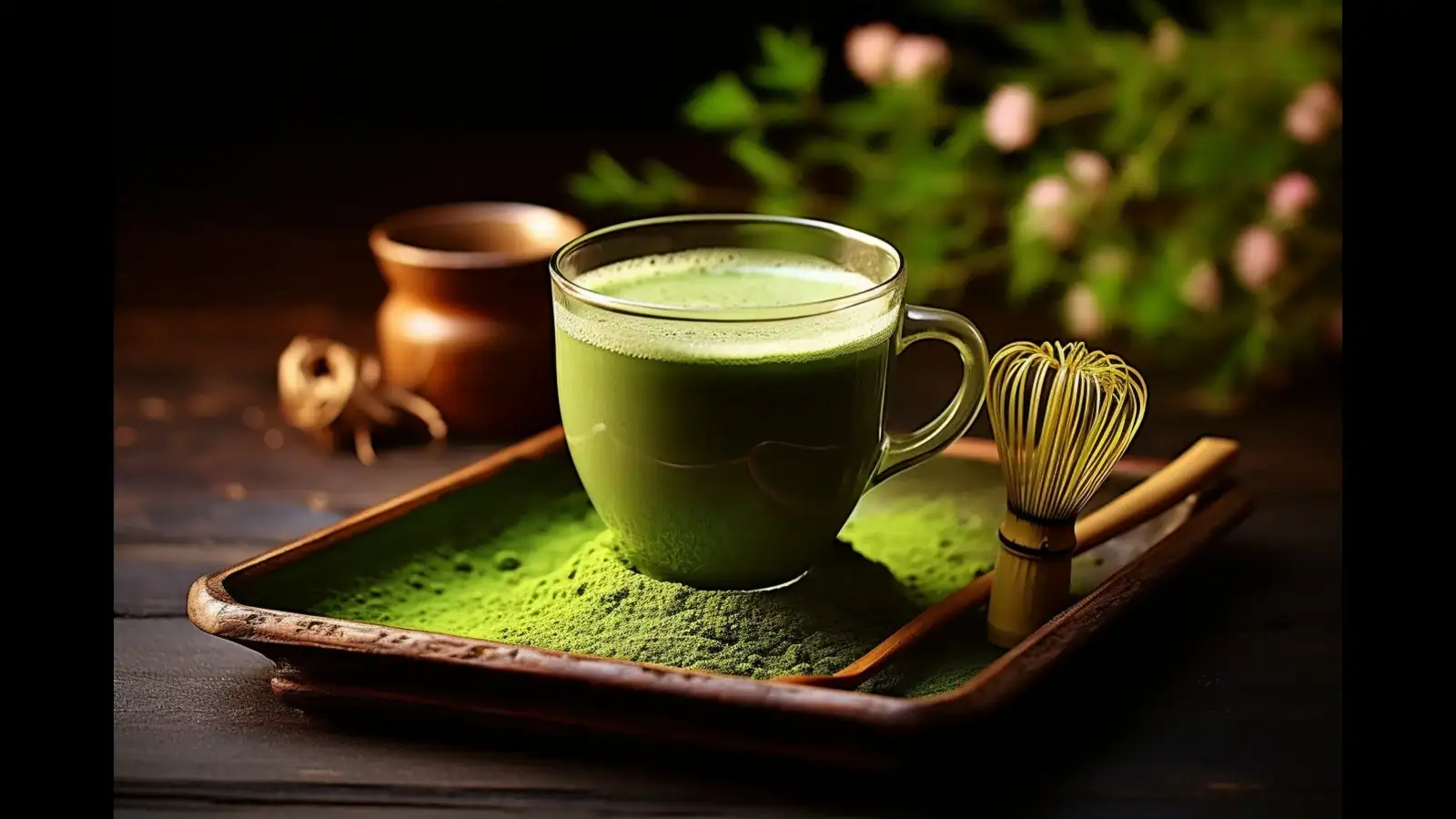
Google Search data shows just how sharply this curiosity has grown. Searches for 'how to make matcha' increased by 1,300% over the past year, while 'matcha health' rose by 1,000%. Searches for 'matcha protein' jumped 2,500%, and queries about whether matcha contains caffeine increased by 70%. ' Matcha vs coffee ' has also emerged as a breakout search.
Searches for 'matcha whisk' and 'matcha bowl' rose in August 2026, suggesting growing interest in the tools associated with traditional preparation. Buying matcha powder along with the equipment needed to prepare it indicates a more involved relationship with the drink.
For consumers, matcha is therefore becoming less of a one-time café experience and more of a potential daily ritual.
The preparation also sets matcha apart from ordinary green tea. While green tea leaves are steeped in water and removed, matcha powder is whisked directly into the drink and consumed.
This creates its characteristic vivid green colour, thicker texture and distinctive flavour. Depending on the variety and preparation, matcha can have grassy, vegetal and umami notes rather than the lighter taste commonly associated with brewed green tea.
Matcha contains caffeine, L-theanine and catechins, including EGCG. These compounds have been studied for their potential roles in areas such as antioxidant activity, metabolism and cognitive function.
However, matcha should not automatically be treated as a miracle beverage. Scientific research has produced promising findings in several areas, but more well-designed human studies are needed to establish many specific health claims.
The combination of caffeine and L-theanine, along with matcha's premium positioning, may nevertheless be contributing to its appeal among consumers interested in functional beverages.
Coffee has a well-established preparation culture, while matcha offers its own ritual. Measuring the powder, adding water and whisking it into a smooth drink can make preparation part of the experience.
For cafés, this creates another opportunity. Matcha can be prepared visibly in front of customers, turning the drink into an experience rather than simply another item on the menu.
These combinations make matcha more approachable for consumers who may find its natural vegetal flavour unfamiliar. Mango and strawberry add sweetness, coconut can soften its character, while dirty matcha combines matcha with coffee.
This experimentation shows how an international food trend can be adapted to local preferences.
This suggests that matcha is increasingly functioning as an aesthetic and lifestyle trend as well as a food ingredient. Its distinctive green colour and association with Japanese tea culture have given it a recognisable identity.
The real test will be whether that interest translates into repeat consumption. If home preparation continues to grow and cafés and food businesses keep expanding their matcha offerings, the drink could establish a more permanent place in India's premium beverage market.
For now, the strongest signal is the shift in what people are searching for. India is not merely asking where to find matcha. It is asking how to make it, what it contains, how it compares with coffee and what else can be created with it. That transition from curiosity to participation could be what turns matcha from a passing trend into a lasting food phenomenon.
Google Search data shows just how sharply this curiosity has grown. Searches for 'how to make matcha' increased by 1,300% over the past year, while 'matcha health' rose by 1,000%. Searches for 'matcha protein' jumped 2,500%, and queries about whether matcha contains caffeine increased by 70%. ' Matcha vs coffee ' has also emerged as a breakout search.
From Cafe Menus to Home Kitchens
The biggest change may be that people are no longer simply searching for places to drink matcha. They are increasingly interested in the process of making it.Searches for 'matcha whisk' and 'matcha bowl' rose in August 2026, suggesting growing interest in the tools associated with traditional preparation. Buying matcha powder along with the equipment needed to prepare it indicates a more involved relationship with the drink.
For consumers, matcha is therefore becoming less of a one-time café experience and more of a potential daily ritual.
What Makes Matcha Different From Green Tea?
Although matcha is often described as powdered green tea, its production is more specialised. Traditional matcha is made from tencha, a tea leaf grown under shade. The leaves are steamed and dried without being rolled, after which the stems and veins are removed before the remaining leaf is finely ground.The preparation also sets matcha apart from ordinary green tea. While green tea leaves are steeped in water and removed, matcha powder is whisked directly into the drink and consumed.
This creates its characteristic vivid green colour, thicker texture and distinctive flavour. Depending on the variety and preparation, matcha can have grassy, vegetal and umami notes rather than the lighter taste commonly associated with brewed green tea.
Why Matcha Health Searches Are Rising
Health and wellness are another major part of India's growing interest in matcha. Searches for 'matcha health' increased by 1,000%, while 'matcha protein' recorded a 2,500% rise.Matcha contains caffeine, L-theanine and catechins, including EGCG. These compounds have been studied for their potential roles in areas such as antioxidant activity, metabolism and cognitive function.
However, matcha should not automatically be treated as a miracle beverage. Scientific research has produced promising findings in several areas, but more well-designed human studies are needed to establish many specific health claims.
The combination of caffeine and L-theanine, along with matcha's premium positioning, may nevertheless be contributing to its appeal among consumers interested in functional beverages.
Matcha vs Coffee Is More Than a Caffeine Debate
The growing 'matcha vs coffee' search trend suggests that consumers are comparing more than caffeine levels.Coffee has a well-established preparation culture, while matcha offers its own ritual. Measuring the powder, adding water and whisking it into a smooth drink can make preparation part of the experience.
You may also like
- 12-ft king cobra swallows python in Karnataka garden; rescuer arrives as giant snake regurgitates its unusual meal during rescue
- Bihar's Sattu: Why This Desi Superfood Is Gaining Global Recognition
- Leg Elevation and Heart Health: Gurugram Oncologist Debunks Viral Claims
- Top 5 Vegetarian Breakfast Foods Recommended by Doctors for Energy and Health
- Alcohol Bans During Festivals: Why Does Drinking Make Some People Aggressive
For cafés, this creates another opportunity. Matcha can be prepared visibly in front of customers, turning the drink into an experience rather than simply another item on the menu.
India Is Putting Its Own Spin on Matcha
Matcha's growing popularity is also being shaped by Indian tastes. Searches for ' mango matcha ' increased by 200% during summer, while ' strawberry matcha ' searches rose by 400%. 'Dirty matcha' and 'coconut matcha' also recorded breakout interest during the monsoon.These combinations make matcha more approachable for consumers who may find its natural vegetal flavour unfamiliar. Mango and strawberry add sweetness, coconut can soften its character, while dirty matcha combines matcha with coffee.
This experimentation shows how an international food trend can be adapted to local preferences.
The Matcha Aesthetic Is Spreading Beyond Drinks
Matcha's influence is no longer limited to beverages. Breakout searches in August 2026 included products such as matcha candles, face wash and perfume, alongside other matcha-related products.This suggests that matcha is increasingly functioning as an aesthetic and lifestyle trend as well as a food ingredient. Its distinctive green colour and association with Japanese tea culture have given it a recognisable identity.
Could Matcha Become a Long-Term Trend?
India's matcha boom now appears to be moving beyond simple curiosity. Consumers are searching for preparation methods, buying equipment, comparing matcha with coffee, exploring its health profile and trying new flavour combinations.The real test will be whether that interest translates into repeat consumption. If home preparation continues to grow and cafés and food businesses keep expanding their matcha offerings, the drink could establish a more permanent place in India's premium beverage market.
For now, the strongest signal is the shift in what people are searching for. India is not merely asking where to find matcha. It is asking how to make it, what it contains, how it compares with coffee and what else can be created with it. That transition from curiosity to participation could be what turns matcha from a passing trend into a lasting food phenomenon.






Loving Newspoint? Download the app now
