
Why Meerkats Take Turns Standing Guard In The Wild

Few animals are as instantly recognisable as meerkats standing upright on their hind legs, scanning the horizon. While this alert posture has become a favourite subject for wildlife photographers, it serves a far more important purpose than creating memorable images. Meerkats live in groups and face constant threats from predators such as birds of prey, jackals and snakes. According to wildlife researchers, their survival depends heavily on cooperation rather than individual strength. One of the most remarkable examples of this teamwork is their sentry system, in which a group member keeps watch while the others search for food or care for young.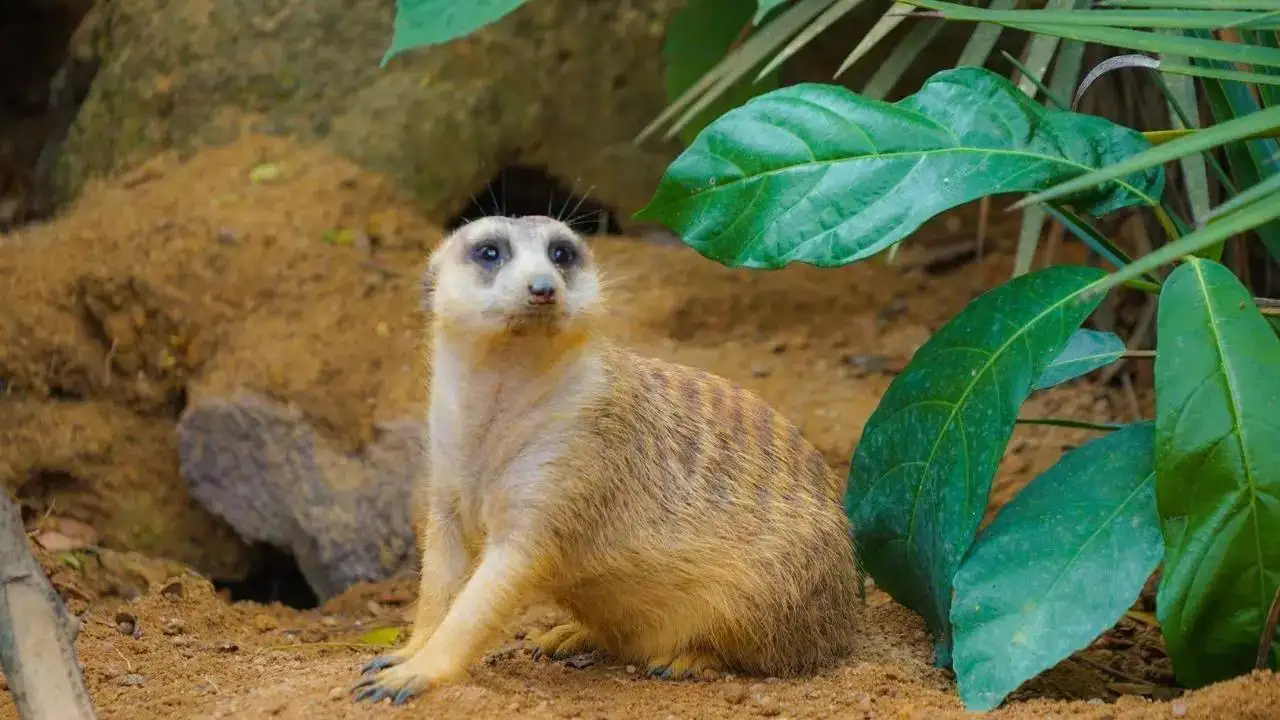
According to behavioural ecologists, the guarding role is not restricted to a single animal. Different members of the group typically take turns acting as sentries, allowing others to feed without remaining constantly alert.
For example, an aerial predator may trigger an immediate dash for cover, while a less immediate threat may prompt the group to become more vigilant rather than flee straight away.
This cooperative behaviour increases the group's overall chances of survival, particularly in the open landscapes of southern Africa where predators can approach from long distances.
Wildlife researchers note that this level of cooperation has made meerkats one of the best-studied examples of social behaviour among mammals.
Their famous upright stance is therefore much more than an iconic pose. It reflects a sophisticated survival strategy built on communication, shared responsibility and teamwork—qualities that help these small mammals thrive in an environment filled with constant challenges.
A Dedicated Lookout Keeps Watch
When a group of meerkats is foraging, one individual often climbs onto a termite mound, rock or another elevated spot to act as a sentry. From this vantage point, it scans the surroundings for danger.According to behavioural ecologists, the guarding role is not restricted to a single animal. Different members of the group typically take turns acting as sentries, allowing others to feed without remaining constantly alert.
Warning Calls Help The Group React
If the lookout spots a potential threat, it produces alarm calls that alert the rest of the group. Research has shown that meerkats use different vocalisations depending on the type and urgency of the danger, enabling other group members to respond appropriately.For example, an aerial predator may trigger an immediate dash for cover, while a less immediate threat may prompt the group to become more vigilant rather than flee straight away.
You may also like
- Significance and Dates of Pitru Paksha 2026
- What to Avoid Picking Up from the Road: A Guide to Religious Beliefs
- Significance and Observances of Ashadha Amavasya 2026
- Zodiac Remedies for Gupt Navratri: Enhance Your Life with Mahavidyas
- If your income exceeds ₹1 crore, make sure to fill out this form when filing your ITR; otherwise, you could receive a notice..
Teamwork Improves Survival
Standing guard means the sentry spends less time searching for food, but the behaviour benefits the entire group. According to experts, having a dedicated lookout allows other meerkats to forage more efficiently because they do not all need to stop repeatedly to scan for predators.This cooperative behaviour increases the group's overall chances of survival, particularly in the open landscapes of southern Africa where predators can approach from long distances.
More Than Just A Family Habit
Meerkats live in highly social groups, often called mobs or gangs, made up of related and unrelated individuals. Along with sentry duty, they cooperate in raising pups, defending territory and maintaining burrows.Wildlife researchers note that this level of cooperation has made meerkats one of the best-studied examples of social behaviour among mammals.
Their famous upright stance is therefore much more than an iconic pose. It reflects a sophisticated survival strategy built on communication, shared responsibility and teamwork—qualities that help these small mammals thrive in an environment filled with constant challenges.






Loving Newspoint? Download the app now
