
Why Does Mint Take Over Your Garden So Quickly?

Mint seems harmless when you first plant it. A small pot of fragrant green leaves can look like the perfect addition to a herb garden, but once it settles in, it can spread surprisingly quickly. Before long, you may notice new shoots appearing several centimetres away from the original plant, followed by even more growth in nearby areas. So, why does mint spread so quickly? The answer lies partly beneath the soil, where the plant has an efficient system for producing new growth and expanding into surrounding space.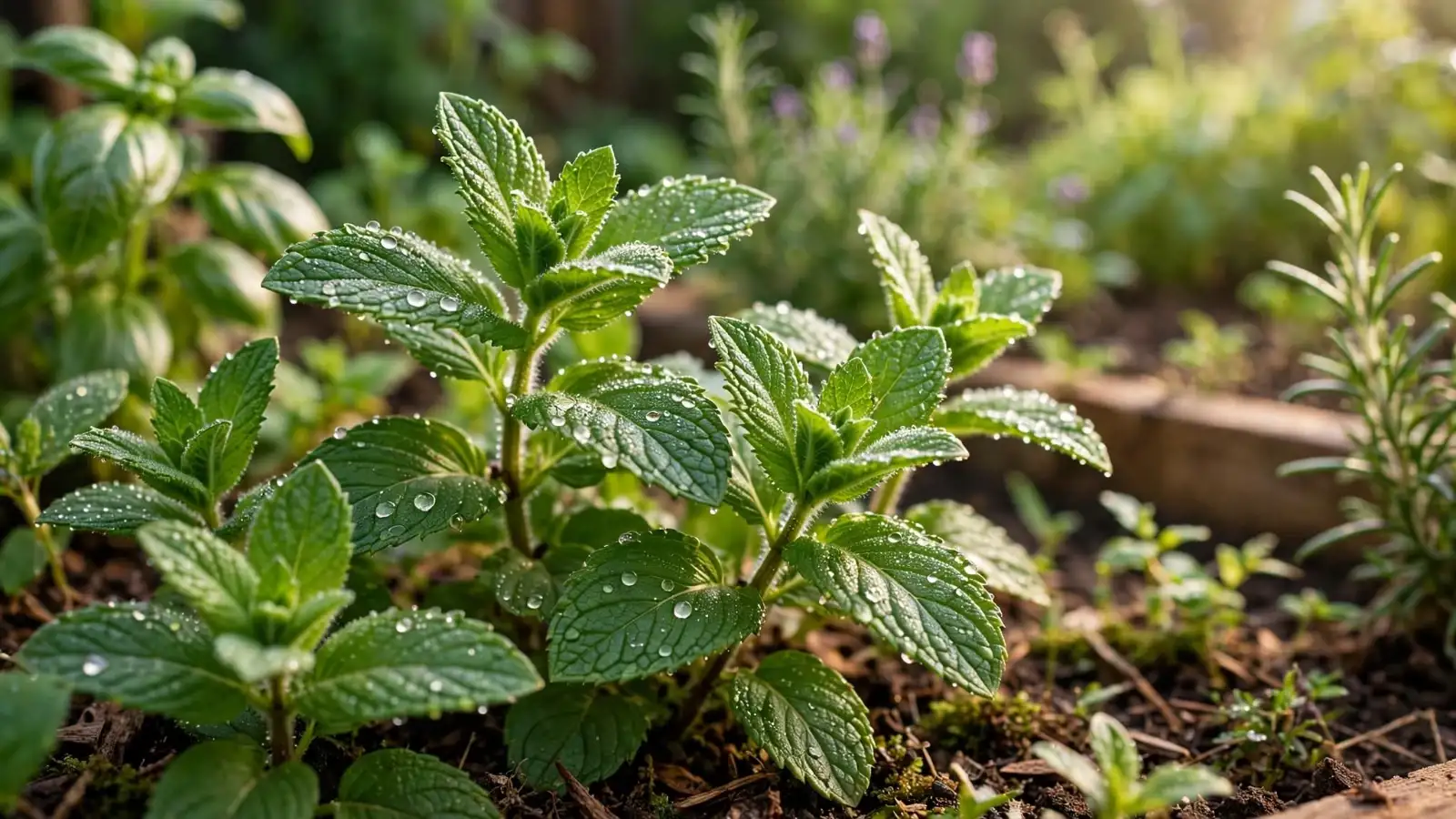
Mint Has A Powerful Underground Network
Mint can spread through underground stems known as rhizomes, which grow horizontally through the soil and can produce new shoots as they extend. Instead of relying entirely on seeds to reproduce, the plant can create new above-ground growth from its existing underground stem system. This is one of the main reasons mint plant growth can appear so aggressive once the herb becomes established. What looks like one small clump of mint above the ground may actually be connected to a much larger network beneath the soil, allowing the plant to gradually move into nearby areas of the garden.Why Does Mint Grow So Vigorously?
Mint is a hardy plant, and many varieties can tolerate a range of growing conditions while recovering well after being cut back. Once established, mint can produce plenty of fresh growth when conditions are favourable, particularly when it has sufficient moisture, light and space. Its ability to spread through underground stems gives it another advantage because new shoots can continue appearing even without relying entirely on new seedlings. This is why a mint plant placed directly into a garden bed can eventually become difficult to control, especially if its underground growth is left unchecked.Is Mint Actually Invasive?
The word invasive is often used casually by gardeners, but there is an important distinction between a plant being vigorous in a garden and being formally classified as an invasive species. Mint can certainly behave aggressively in domestic gardens, particularly when it has plenty of water, light and room to spread. For this reason, many gardeners prefer growing mint in containers, where the plant's underground growth can be restricted and its spread is easier to manage. A container can also make it simpler to move the plant, harvest the leaves and prevent it from competing with other herbs or ornamental plants.How Can You Keep Mint Under Control?
Regular trimming can help keep mint looking tidy, but cutting back the leaves may not be enough if the plant is already spreading underground. Growing mint in a container is often one of the simplest ways to control its growth, while gardeners who plant it directly in the ground can regularly check for runners and remove shoots that appear outside the desired growing area. The same quality that makes mint frustrating for some gardeners is also what makes it such a reliable herb. Give mint a little space and it can provide fresh, fragrant leaves for months, but give it an entire garden bed and it may eventually behave as though the whole garden belongs to it.Next Story