
The Health Benefits of Using Non-Toxic Air Fryers in Your Home

In recent years, there has been a significant shift in consumer preferences towards healthier lifestyles, which directly impacts choices in the kitchen. Air fryers, a popular appliance for achieving crispy, fried-like foods with less oil, have gained immense popularity. However, as people become more aware of the materials used in kitchen appliances, the concern over toxic chemicals in air fryers is growing. This has led to a rising demand for non-toxic air fryers , which promise safe cooking without compromising health.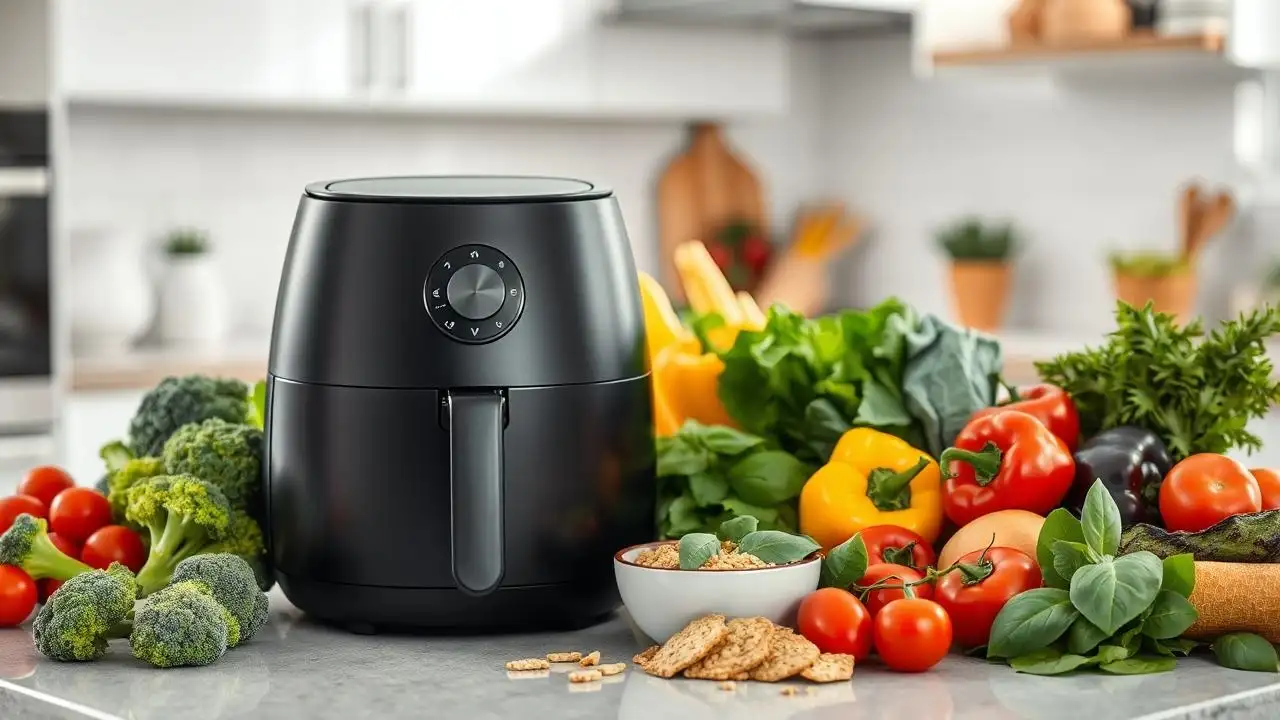
Air fryers work by circulating hot air to cook food, making them a seemingly healthier option compared to traditional deep frying. But the question many health-conscious consumers ask is whether the materials used in these appliances might impart harmful chemicals into the food. Non-toxic air fryers address this concern by using materials that are free from substances like PFOA (perfluorooctanoic acid), PFAS (per- and polyfluoroalkyl substances), and other questionable chemicals that have been linked to health risks.
What Makes an Air Fryer Non-Toxic?
Non-toxic air fryers are designed using safe and sustainable materials that do not release harmful substances when heated. The key features of these appliances include:
PFOA and PFAS-Free Coating: Traditional non-stick coatings often contain PFOA or PFAS, chemicals associated with health risks such as hormonal disruption and cancer. Non-toxic air fryers use ceramic coatings or other safe alternatives that do not emit toxic fumes or residues.
Food-Grade Materials: These air fryers prioritize the use of BPA-free plastics and stainless steel components, ensuring the parts in contact with food do not leach harmful elements.
Durability and Heat Resistance: Safe materials used in non-toxic fryers maintain their integrity even under high cooking temperatures, preventing chemical breakdown.
The Health Implications of Toxic Chemicals in Kitchen Appliances
The presence of toxic substances like PFOA and PFAS in kitchen appliances has raised alarms among experts and users alike. These chemicals are persistent in the environment and can bioaccumulate, leading to potential long-term health effects:
According to some studies, exposure to PFOA and PFAS has been linked to immune system suppression, developmental issues, and an increased risk of certain cancers.
When traditional non-stick coatings degrade due to frequent heating, they can release fumes that may be harmful to respiratory health.
Given these risks, the demand for kitchen appliances that eliminate such chemical exposure is not just a trend but a growing necessity.
How Non-Toxic Air Fryers Align with Sustainable Living
Choosing non-toxic air fryers extends beyond health—it aligns with environmental responsibility. These appliances often feature eco-friendly manufacturing processes, use recyclable materials, and are built to last longer, reducing electronic waste. The combination of safer materials and sustainability appeals to consumers who want to reduce their ecological footprint while enhancing their well-being.
What to Look for When Buying a Non-Toxic Air Fryer
For those interested in making the switch to a non-toxic air fryer, there are several factors to consider:
Material Certification: Look for air fryers that specify “PFOA-free,” “PFAS-free,” or “BPA-free” on their labels or packaging.
Non-Toxic Coating: Ceramic or other natural-based coatings are preferable over traditional Teflon-style non-stick surfaces.
Brand Reputation: Reputable brands often provide detailed information about their manufacturing processes and materials. Reading customer reviews and expert opinions can also help in making an informed decision.
Ease of Cleaning: Non-toxic materials often require different care compared to conventional coatings, so understanding the maintenance routine is important.
Warranty and Longevity: Since non-toxic materials may sometimes cost more upfront, choosing a product with a good warranty and proven durability adds value.
The Future of Healthy Cooking Appliances
The movement toward non-toxic air fryers reflects a larger shift in how people perceive food preparation and health. As more consumers adopt clean eating, kitchen appliances that support these values will continue to evolve. Innovations in material science are likely to introduce even safer, more efficient cooking devices that minimize the health risks traditionally associated with non-stick cooking.
Manufacturers are responding to consumer demand by increasing transparency about materials and sourcing, introducing certifications, and improving design standards. This evolution benefits consumers who want the convenience of modern appliances without compromising safety.
The growing awareness about chemical exposure in everyday products has made non-toxic air fryers a sought-after choice among health-conscious individuals. These appliances ensure safer cooking by eliminating harmful substances like PFOA, PFAS, and BPA from the cooking process. As consumers continue to prioritize health and sustainability, the market for non-toxic appliances will likely expand, encouraging more innovation and higher standards in kitchen technology.
Choosing a non-toxic air fryer today means investing not only in your immediate health but also supporting a future of clean, responsible living. With proper research and attention to materials and certifications, consumers can enjoy the benefits of air frying while minimizing potential risks associated with toxic chemicals.
Air fryers work by circulating hot air to cook food, making them a seemingly healthier option compared to traditional deep frying. But the question many health-conscious consumers ask is whether the materials used in these appliances might impart harmful chemicals into the food. Non-toxic air fryers address this concern by using materials that are free from substances like PFOA (perfluorooctanoic acid), PFAS (per- and polyfluoroalkyl substances), and other questionable chemicals that have been linked to health risks.
What Makes an Air Fryer Non-Toxic?
Non-toxic air fryers are designed using safe and sustainable materials that do not release harmful substances when heated. The key features of these appliances include:PFOA and PFAS-Free Coating: Traditional non-stick coatings often contain PFOA or PFAS, chemicals associated with health risks such as hormonal disruption and cancer. Non-toxic air fryers use ceramic coatings or other safe alternatives that do not emit toxic fumes or residues.
Food-Grade Materials: These air fryers prioritize the use of BPA-free plastics and stainless steel components, ensuring the parts in contact with food do not leach harmful elements.
Durability and Heat Resistance: Safe materials used in non-toxic fryers maintain their integrity even under high cooking temperatures, preventing chemical breakdown.
The Health Implications of Toxic Chemicals in Kitchen Appliances
The presence of toxic substances like PFOA and PFAS in kitchen appliances has raised alarms among experts and users alike. These chemicals are persistent in the environment and can bioaccumulate, leading to potential long-term health effects: According to some studies, exposure to PFOA and PFAS has been linked to immune system suppression, developmental issues, and an increased risk of certain cancers.
When traditional non-stick coatings degrade due to frequent heating, they can release fumes that may be harmful to respiratory health.
Given these risks, the demand for kitchen appliances that eliminate such chemical exposure is not just a trend but a growing necessity.
How Non-Toxic Air Fryers Align with Sustainable Living
Choosing non-toxic air fryers extends beyond health—it aligns with environmental responsibility. These appliances often feature eco-friendly manufacturing processes, use recyclable materials, and are built to last longer, reducing electronic waste. The combination of safer materials and sustainability appeals to consumers who want to reduce their ecological footprint while enhancing their well-being. What to Look for When Buying a Non-Toxic Air Fryer
For those interested in making the switch to a non-toxic air fryer, there are several factors to consider: Material Certification: Look for air fryers that specify “PFOA-free,” “PFAS-free,” or “BPA-free” on their labels or packaging.
Non-Toxic Coating: Ceramic or other natural-based coatings are preferable over traditional Teflon-style non-stick surfaces.
You may also like
- Quote of the Day by Confucius, "When you see a worthy person, endeavor to emulate him. When you see an unworthy person, then...."
- 'I knew we had to prevent a priceless treasure being lost forever': Inside Dumfries House, Scotland's timeless property King Charles saved
- Fashion quote of the day by Iris Apfel: 'Jewellery is the most transformative thing you can wear'
- Want your child to value money and time? German parents teach kids these 4 simple habits early in life
- Why do railways use stones under tracks?
Brand Reputation: Reputable brands often provide detailed information about their manufacturing processes and materials. Reading customer reviews and expert opinions can also help in making an informed decision.
Ease of Cleaning: Non-toxic materials often require different care compared to conventional coatings, so understanding the maintenance routine is important.
Warranty and Longevity: Since non-toxic materials may sometimes cost more upfront, choosing a product with a good warranty and proven durability adds value.
The Future of Healthy Cooking Appliances
The movement toward non-toxic air fryers reflects a larger shift in how people perceive food preparation and health. As more consumers adopt clean eating, kitchen appliances that support these values will continue to evolve. Innovations in material science are likely to introduce even safer, more efficient cooking devices that minimize the health risks traditionally associated with non-stick cooking. Manufacturers are responding to consumer demand by increasing transparency about materials and sourcing, introducing certifications, and improving design standards. This evolution benefits consumers who want the convenience of modern appliances without compromising safety.
The growing awareness about chemical exposure in everyday products has made non-toxic air fryers a sought-after choice among health-conscious individuals. These appliances ensure safer cooking by eliminating harmful substances like PFOA, PFAS, and BPA from the cooking process. As consumers continue to prioritize health and sustainability, the market for non-toxic appliances will likely expand, encouraging more innovation and higher standards in kitchen technology.
Choosing a non-toxic air fryer today means investing not only in your immediate health but also supporting a future of clean, responsible living. With proper research and attention to materials and certifications, consumers can enjoy the benefits of air frying while minimizing potential risks associated with toxic chemicals.






Loving Newspoint? Download the app now
