
Why Only Female Caribou Grow Antlers Among Deer Species

Most deer species only have antlers in males, used for fighting and attracting mates. However, female caribou (also called reindeer) are exceptional, they grow antlers too. This rare trait has intrigued scientists, wildlife enthusiasts, and nature lovers for decades. Female caribou antlers are not just decorative, they serve essential survival purposes in the harsh Arctic environment.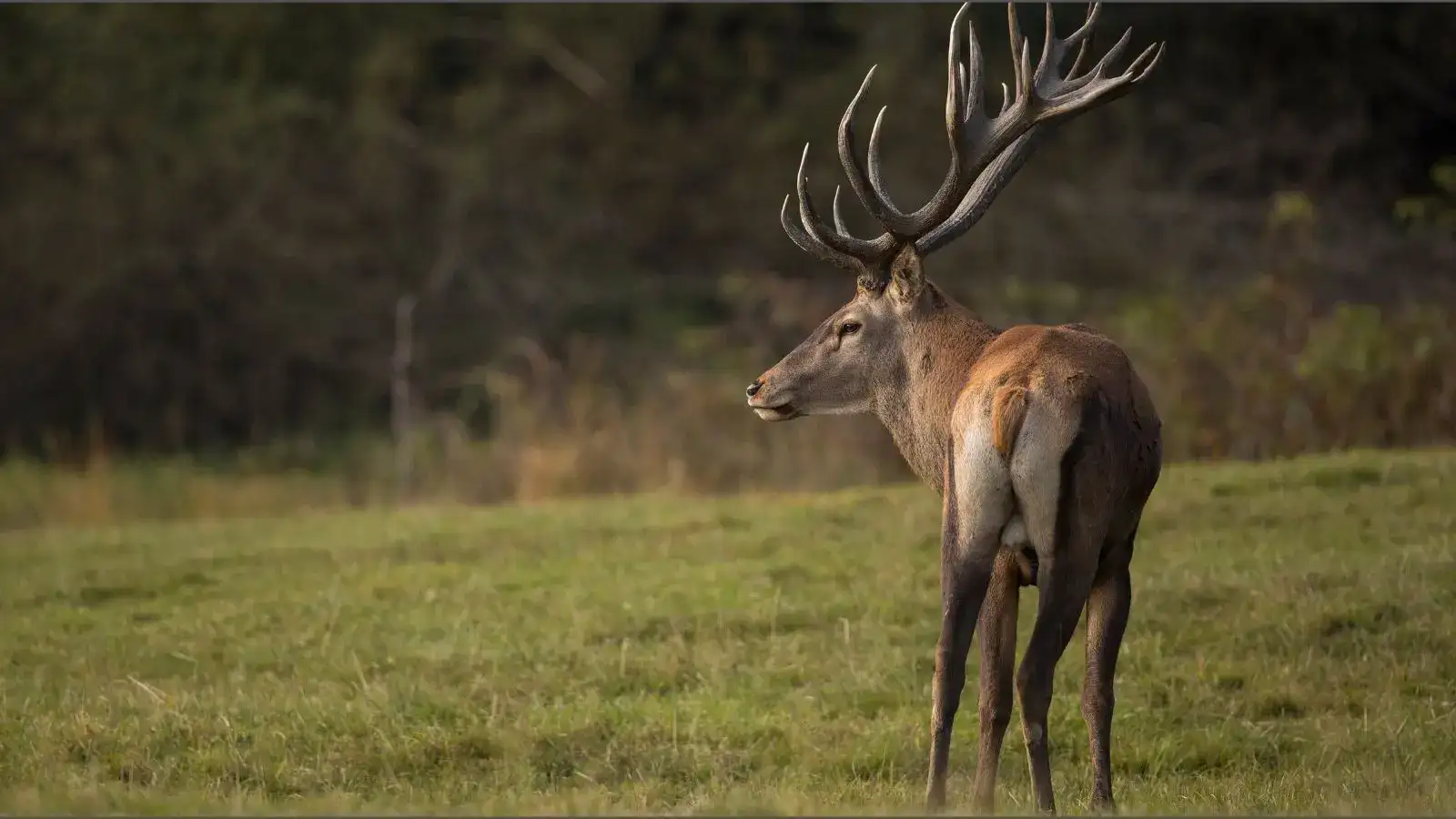
Survival and Feeding Advantages
Female caribou use their antlers to dig through snow in winter to reach lichen, their primary food source. These antlers act as tools, helping them access nutrition when resources are scarce. During winter months, food is limited, so the ability to dig and protect feeding grounds is crucial. In this sense, antlers are survival tools as much as social symbols.
Antlers and Social Hierarchy
Antlers also play a role in social dominance among female caribou. Within herds, antlers allow a female to assert priority at feeding sites, ward off competitors, and protect her young. Studies show that larger antlers can mean higher status, enabling better access to limited food supplies.
Read More: From Pompeii Worms To Dessert Foxes: 5 Amazing Animals That Love Extreme Heat
Evolutionary Perspective
The evolutionary advantage of female caribou antlers is linked to the extreme Arctic environment. In areas where food is sparse and competition is high, having antlers gives females a better chance to survive winter, reproduce, and pass on strong genes. Unlike males, who shed their antlers after mating, females often keep theirs through winter, emphasising their role in survival rather than mating.
Interesting Facts About Female Caribou Antlers
Female caribou antlers are a remarkable adaptation that blends survival, nutrition, and social dominance. This unique trait highlights the incredible ways animals evolve to thrive in harsh environments, reminding us how fascinating wildlife adaptations can be.
Survival and Feeding Advantages
Female caribou use their antlers to dig through snow in winter to reach lichen, their primary food source. These antlers act as tools, helping them access nutrition when resources are scarce. During winter months, food is limited, so the ability to dig and protect feeding grounds is crucial. In this sense, antlers are survival tools as much as social symbols. Antlers and Social Hierarchy
Antlers also play a role in social dominance among female caribou. Within herds, antlers allow a female to assert priority at feeding sites, ward off competitors, and protect her young. Studies show that larger antlers can mean higher status, enabling better access to limited food supplies.You may also like
- Why parents today feel like they are never doing enough
- When Nothing Is Working in Life, Read This Lesson from Arjuna and Lord Krishna
- 5 Eyeliner Hacks That Instantly Upgrade Your Look
- Anand Mahindra is stunned by this place near Jaipur, Rajasthan; says it's unbelievably ahead of its time
- Mature shoppers praise 'magic' overnight hair serum that targets 'lack of volume'
Read More: From Pompeii Worms To Dessert Foxes: 5 Amazing Animals That Love Extreme Heat
Evolutionary Perspective
The evolutionary advantage of female caribou antlers is linked to the extreme Arctic environment. In areas where food is sparse and competition is high, having antlers gives females a better chance to survive winter, reproduce, and pass on strong genes. Unlike males, who shed their antlers after mating, females often keep theirs through winter, emphasising their role in survival rather than mating.Interesting Facts About Female Caribou Antlers
- Female caribou antlers are generally smaller than males but still strong enough to dig snow.
- Antler growth is influenced by age, health, and nutrition.
- Female caribou can use antlers to protect calves from predators in addition to securing food.
Female caribou antlers are a remarkable adaptation that blends survival, nutrition, and social dominance. This unique trait highlights the incredible ways animals evolve to thrive in harsh environments, reminding us how fascinating wildlife adaptations can be.






More from our partners


Loving Newspoint? Download the app now
