
Why Eating Too Much Ice Cream in Summer Can Leave You Feeling More Tired

Ice cream is one of summer’s most loved comfort foods. On extremely hot days, few things feel more satisfying than cold desserts straight from the freezer.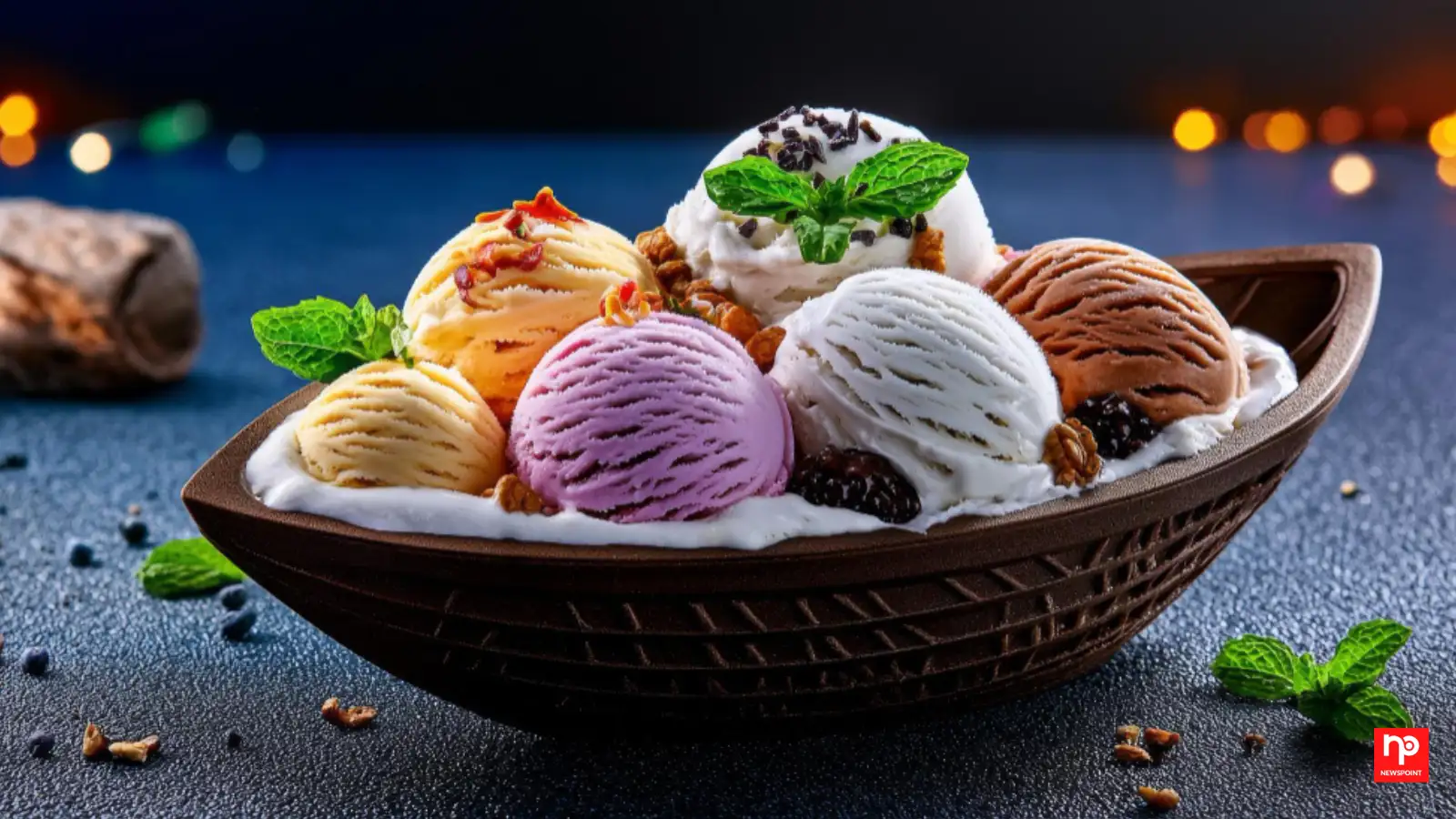
But many people notice an interesting pattern. After the initial excitement fades, they often feel unusually sluggish or tired.
This happens because the body reacts to high sugar and fat intake differently during hot weather.
However, blood sugar levels can drop rapidly afterwards, leading to tiredness, low energy, and cravings soon after the initial boost disappears.
This effect is commonly known as a sugar crash.
Rich desserts containing cream, sugar, and fat may feel heavier because digestion itself generates internal heat and uses additional energy.
That is why lighter frozen treats or fruit-based desserts sometimes feel more refreshing than very rich ice creams during heatwaves.
Very cold foods may provide temporary comfort, yet they do not necessarily lower overall body temperature significantly for long periods.
Hydration and airflow often matter more for lasting heat relief.
Problems usually appear when extremely large portions become regular habits alongside sugary drinks and low water intake.
Nutrition experts often suggest balancing cold desserts with proper hydration and lighter meals during hot days.
Sometimes people crave the experience and nostalgia surrounding ice cream as much as the dessert itself.
That emotional connection partly explains why frozen treats remain one of summer’s most timeless habits despite growing health awareness.
But many people notice an interesting pattern. After the initial excitement fades, they often feel unusually sluggish or tired.
This happens because the body reacts to high sugar and fat intake differently during hot weather.
Sugar Gives Temporary Energy
Most ice creams contain large amounts of sugar, which creates quick bursts of energy after consumption.However, blood sugar levels can drop rapidly afterwards, leading to tiredness, low energy, and cravings soon after the initial boost disappears.
This effect is commonly known as a sugar crash.
Heavy Foods Feel Harder in Heat
During summer, the body already works harder to regulate temperature.Rich desserts containing cream, sugar, and fat may feel heavier because digestion itself generates internal heat and uses additional energy.
That is why lighter frozen treats or fruit-based desserts sometimes feel more refreshing than very rich ice creams during heatwaves.
Cold Foods Do Not Always Cool the Body Long-Term
Ice cream creates immediate cooling sensations, but the body still processes calories and sugars internally afterwards.Very cold foods may provide temporary comfort, yet they do not necessarily lower overall body temperature significantly for long periods.
Hydration and airflow often matter more for lasting heat relief.
Portion Size Makes a Big Difference
Moderate amounts of ice cream are generally fine for most people during summer.Problems usually appear when extremely large portions become regular habits alongside sugary drinks and low water intake.
Nutrition experts often suggest balancing cold desserts with proper hydration and lighter meals during hot days.
Summer Cravings Are Psychological Too
Ice cream is strongly connected to holidays, childhood memories, and emotional comfort.Sometimes people crave the experience and nostalgia surrounding ice cream as much as the dessert itself.
That emotional connection partly explains why frozen treats remain one of summer’s most timeless habits despite growing health awareness.
Next Story