
Why Your Peace Lily Looks Wilted Despite Regular Watering

Peace lilies are popular houseplants because of their glossy green leaves, elegant white flowers and relatively simple care requirements. However, one problem often confuses plant owners: the leaves begin to droop even when the soil feels damp. The natural reaction is to add more water, but that can sometimes make matters worse.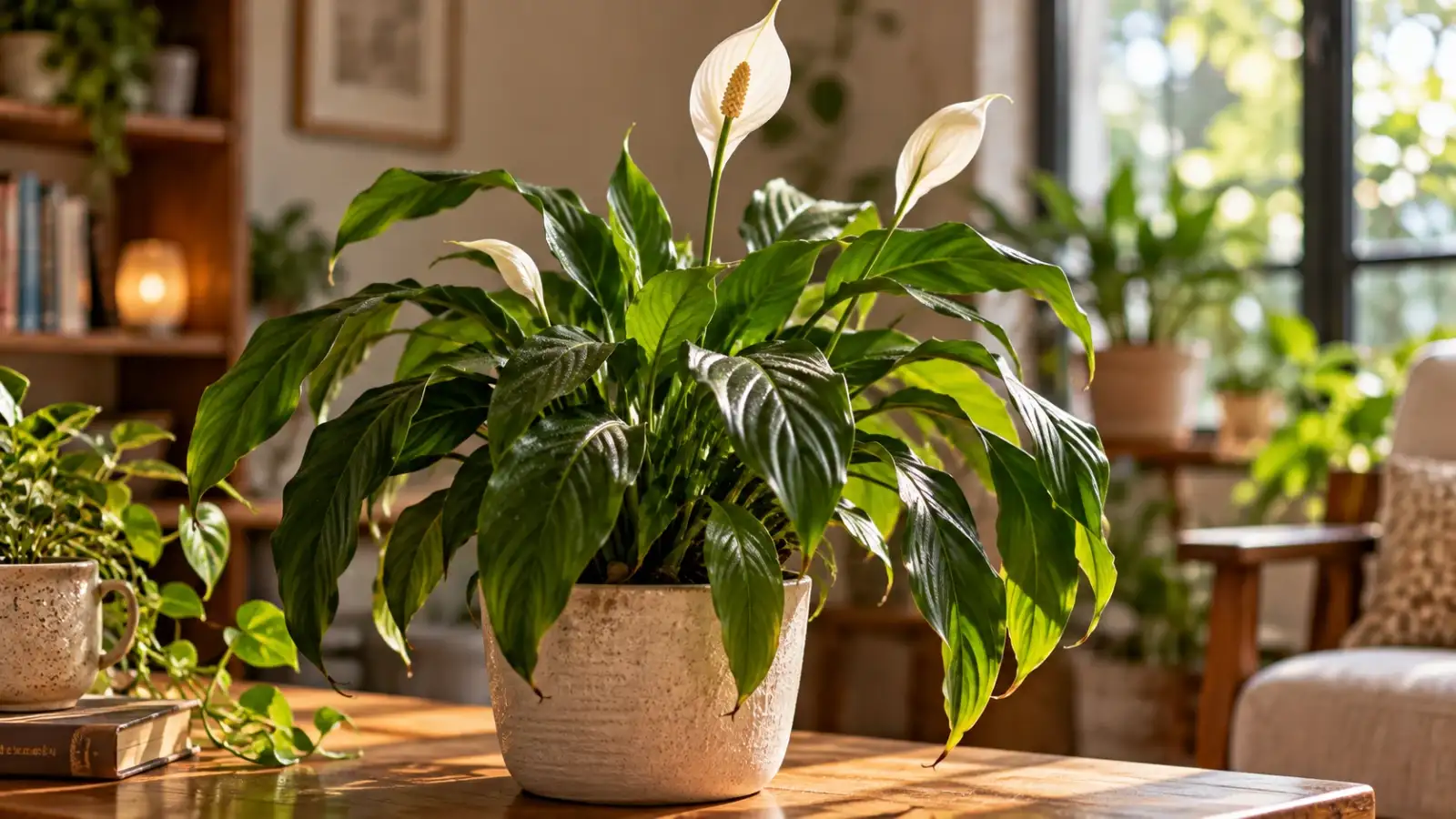
A peace lily can wilt because its roots are unable to absorb enough water, even when moisture is present in the pot. Overwatering, poor drainage, temperature changes and root damage are among the possible causes. Understanding what is happening beneath the surface can help you identify the problem and give your plant a better chance of recovering.
When the potting mix remains waterlogged for long periods, air spaces in the soil become filled with water. This reduces the oxygen available to the roots and can eventually cause them to deteriorate.
Damaged roots struggle to absorb and transport water to the leaves. As a result, the plant may look thirsty even though the soil is wet.
Look for additional signs such as yellowing leaves, persistently soggy soil or a musty smell coming from the pot.
What to do: Stop watering temporarily and allow the excess moisture to drain. Check the soil below the surface rather than relying only on how it feels at the top.
Healthy peace lily roots are generally firm and pale, while rotten roots may appear dark, soft and unpleasant-smelling.
Root rot can become serious because the damaged roots cannot support normal water and nutrient uptake. Simply adding more water will not solve the problem.
What to do: If the plant continues to decline, gently remove it from its pot and inspect the roots. Trim away clearly rotten sections with clean, sharp scissors and repot the plant in fresh, well-draining potting mix. Use a container with drainage holes, and avoid keeping the soil constantly saturated.
Decorative containers without drainage holes can trap excess moisture around the roots. Even a pot with drainage holes can cause trouble if they are blocked or if the plant sits in a saucer full of water.
A large pot can also hold more moisture than a small root system can use, especially when the potting mix is dense or the plant receives little light.
What to do: Make sure excess water can escape freely. Empty the saucer after watering and check that the drainage holes are unobstructed. Choose a pot that fits the root system rather than moving the plant into a much larger container unnecessarily.
Over time, potting material may also break down and become more compact. This reduces air circulation around the roots and makes it harder for excess water to escape.
A peace lily growing in such conditions may develop drooping leaves even when it receives regular care.
What to do: If the soil stays wet for many days, consider repotting into a quality indoor potting mix that retains some moisture while allowing excess water to drain. A mix containing suitable aerating materials, such as perlite, can improve its structure.
Avoid placing a layer of stones at the bottom of the pot as a drainage shortcut. It does not reliably improve drainage and can leave the saturated zone higher in the container.
A plant placed beside an air-conditioning vent, a cold window or a hot afternoon sunbeam may begin to droop even when the soil is damp. Direct sunlight can also scorch the leaves, while cold exposure may damage sensitive foliage.
Peace lilies generally grow best in warm conditions with bright, indirect light. They can tolerate lower light levels, but prolonged dim conditions may slow their growth and reduce how quickly they use water.
What to do: Move the plant away from direct sunlight, cold draughts and heating or cooling vents. Choose a spot with steady temperatures and indirect daylight.
Repotting can disturb fine roots that absorb water. If the roots are damaged during the process, the plant may temporarily struggle to supply moisture to its leaves.
Adding extra water in response can make the situation worse, particularly if the new potting mix retains more moisture than the previous one.
What to do: Keep the plant in bright, indirect light and avoid unnecessary handling. Maintain moderate soil moisture without making the mix soggy. Hold off on fertilising until the plant shows signs of recovery and new growth.
Water can sometimes run down the sides of a pot without evenly moistening the root ball. In other cases, the surface remains damp while deeper soil dries out, particularly in warm rooms or containers with dense roots.
This makes it important to check moisture below the surface rather than judging the soil by appearance alone.
What to do: Insert a finger or wooden skewer about 2 to 5 centimetres into the potting mix. Check the pot's weight as well. If the deeper soil is dry, water thoroughly until excess water drains away. If it is still wet, do not add more water.
Use a well-draining potting mix, choose an appropriately sized container and empty any collected water from the saucer. Keep the plant away from harsh direct sunlight and sudden temperature changes.
Most importantly, remember that drooping is a symptom rather than a diagnosis. A peace lily can wilt from both too little water and too much water. Checking the soil and roots before reaching for the watering can is the best way to decide what your plant actually needs.
A peace lily can wilt because its roots are unable to absorb enough water, even when moisture is present in the pot. Overwatering, poor drainage, temperature changes and root damage are among the possible causes. Understanding what is happening beneath the surface can help you identify the problem and give your plant a better chance of recovering.
1. Overwatering May Be Suffocating the Roots
One of the most common reasons a peace lily droops in damp soil is overwatering. Although the plant enjoys moisture, its roots also need oxygen to function properly.When the potting mix remains waterlogged for long periods, air spaces in the soil become filled with water. This reduces the oxygen available to the roots and can eventually cause them to deteriorate.
Damaged roots struggle to absorb and transport water to the leaves. As a result, the plant may look thirsty even though the soil is wet.
Look for additional signs such as yellowing leaves, persistently soggy soil or a musty smell coming from the pot.
What to do: Stop watering temporarily and allow the excess moisture to drain. Check the soil below the surface rather than relying only on how it feels at the top.
2. Root Rot May Be Preventing Water Absorption
If the soil has stayed wet for an extended period and the leaves continue to droop, root rot may be developing. This problem is often associated with prolonged waterlogging and certain root pathogens.Healthy peace lily roots are generally firm and pale, while rotten roots may appear dark, soft and unpleasant-smelling.
Root rot can become serious because the damaged roots cannot support normal water and nutrient uptake. Simply adding more water will not solve the problem.
What to do: If the plant continues to decline, gently remove it from its pot and inspect the roots. Trim away clearly rotten sections with clean, sharp scissors and repot the plant in fresh, well-draining potting mix. Use a container with drainage holes, and avoid keeping the soil constantly saturated.
3. The Pot May Not Be Draining Properly
Sometimes the problem is not how often you water but where the water goes afterwards.Decorative containers without drainage holes can trap excess moisture around the roots. Even a pot with drainage holes can cause trouble if they are blocked or if the plant sits in a saucer full of water.
A large pot can also hold more moisture than a small root system can use, especially when the potting mix is dense or the plant receives little light.
What to do: Make sure excess water can escape freely. Empty the saucer after watering and check that the drainage holes are unobstructed. Choose a pot that fits the root system rather than moving the plant into a much larger container unnecessarily.
4. Dense Soil Can Hold Too Much Moisture
Not all potting mixes drain at the same rate. Heavy, compacted soil can remain wet for longer than a loose, well-aerated mix.Over time, potting material may also break down and become more compact. This reduces air circulation around the roots and makes it harder for excess water to escape.
A peace lily growing in such conditions may develop drooping leaves even when it receives regular care.
What to do: If the soil stays wet for many days, consider repotting into a quality indoor potting mix that retains some moisture while allowing excess water to drain. A mix containing suitable aerating materials, such as perlite, can improve its structure.
Avoid placing a layer of stones at the bottom of the pot as a drainage shortcut. It does not reliably improve drainage and can leave the saturated zone higher in the container.
5. Heat or Cold Drafts Can Stress the Plant
Water is not the only factor that influences how firmly a peace lily holds its leaves. Sudden temperature changes can also cause stress.A plant placed beside an air-conditioning vent, a cold window or a hot afternoon sunbeam may begin to droop even when the soil is damp. Direct sunlight can also scorch the leaves, while cold exposure may damage sensitive foliage.
Peace lilies generally grow best in warm conditions with bright, indirect light. They can tolerate lower light levels, but prolonged dim conditions may slow their growth and reduce how quickly they use water.
What to do: Move the plant away from direct sunlight, cold draughts and heating or cooling vents. Choose a spot with steady temperatures and indirect daylight.
6. Recent Repotting May Have Disturbed the Roots
Have you recently moved your peace lily into a new pot or changed its soil? If so, the drooping may be related to transplant shock.Repotting can disturb fine roots that absorb water. If the roots are damaged during the process, the plant may temporarily struggle to supply moisture to its leaves.
Adding extra water in response can make the situation worse, particularly if the new potting mix retains more moisture than the previous one.
What to do: Keep the plant in bright, indirect light and avoid unnecessary handling. Maintain moderate soil moisture without making the mix soggy. Hold off on fertilising until the plant shows signs of recovery and new growth.
7. The Soil May Feel Damp on Top but Be Dry Elsewhere
Although excess moisture is a major concern, damp-looking soil does not always mean the entire root zone is adequately hydrated.You may also like
- Signs of Dehydration in Babies: Warning Signs to Know
- Harrison Ford's son walked away from the Hollywood spotlight, and chose to be a chef and is also a cookbook author, turning his love of making things into a name of his own
- Harrison Ford became a Hollywood action icon, but his son Ben built a career in the kitchen: Why children need the freedom to follow their own interests instead of living in their parents' shadow
- Digital tools are changing the wedding industry. Here's how
- At 15, Assam's Tileswar Handique earned Rs 6 a day as a labourer until a bunch of bananas fetched Rs 24; today his 40-bigha farm reports up to Rs 80 lakh in yearly turnover and Rs 20 lakh profit
Water can sometimes run down the sides of a pot without evenly moistening the root ball. In other cases, the surface remains damp while deeper soil dries out, particularly in warm rooms or containers with dense roots.
This makes it important to check moisture below the surface rather than judging the soil by appearance alone.
What to do: Insert a finger or wooden skewer about 2 to 5 centimetres into the potting mix. Check the pot's weight as well. If the deeper soil is dry, water thoroughly until excess water drains away. If it is still wet, do not add more water.
How to Help a Drooping Peace Lily Recover
The right treatment depends on what is causing the problem. Start with these practical checks:- Check moisture below the soil surface before watering again.
- Make sure the pot has working drainage holes and is not standing in excess water.
- Inspect the roots if the soil stays soggy and the plant continues to decline.
- Remove dead or rotten roots, if present, and use fresh, well-draining potting mix.
- Keep the plant in bright, indirect light and away from temperature extremes.
- Avoid fertilising a stressed plant until it begins recovering.
How to Prevent Peace Lily Leaves From Drooping Again
A consistent care routine is more useful than watering according to a fixed calendar. Check the soil regularly and water when the upper layer has dried slightly, while avoiding prolonged saturation.Use a well-draining potting mix, choose an appropriately sized container and empty any collected water from the saucer. Keep the plant away from harsh direct sunlight and sudden temperature changes.
Most importantly, remember that drooping is a symptom rather than a diagnosis. A peace lily can wilt from both too little water and too much water. Checking the soil and roots before reaching for the watering can is the best way to decide what your plant actually needs.






Loving Newspoint? Download the app now
