
Why Penguins Can't Fly: Amazing Facts Behind Their Evolution

Penguins may look like typical birds, but they have one surprising difference, they cannot fly. While this might seem unusual, it is actually one of the reasons they thrive in some of the world's harshest environments. Over millions of years, penguins evolved to become exceptional swimmers rather than airborne birds. Their bodies are specially designed for life in the water, allowing them to catch prey with remarkable speed and efficiency. Here's why penguins traded the skies for the sea.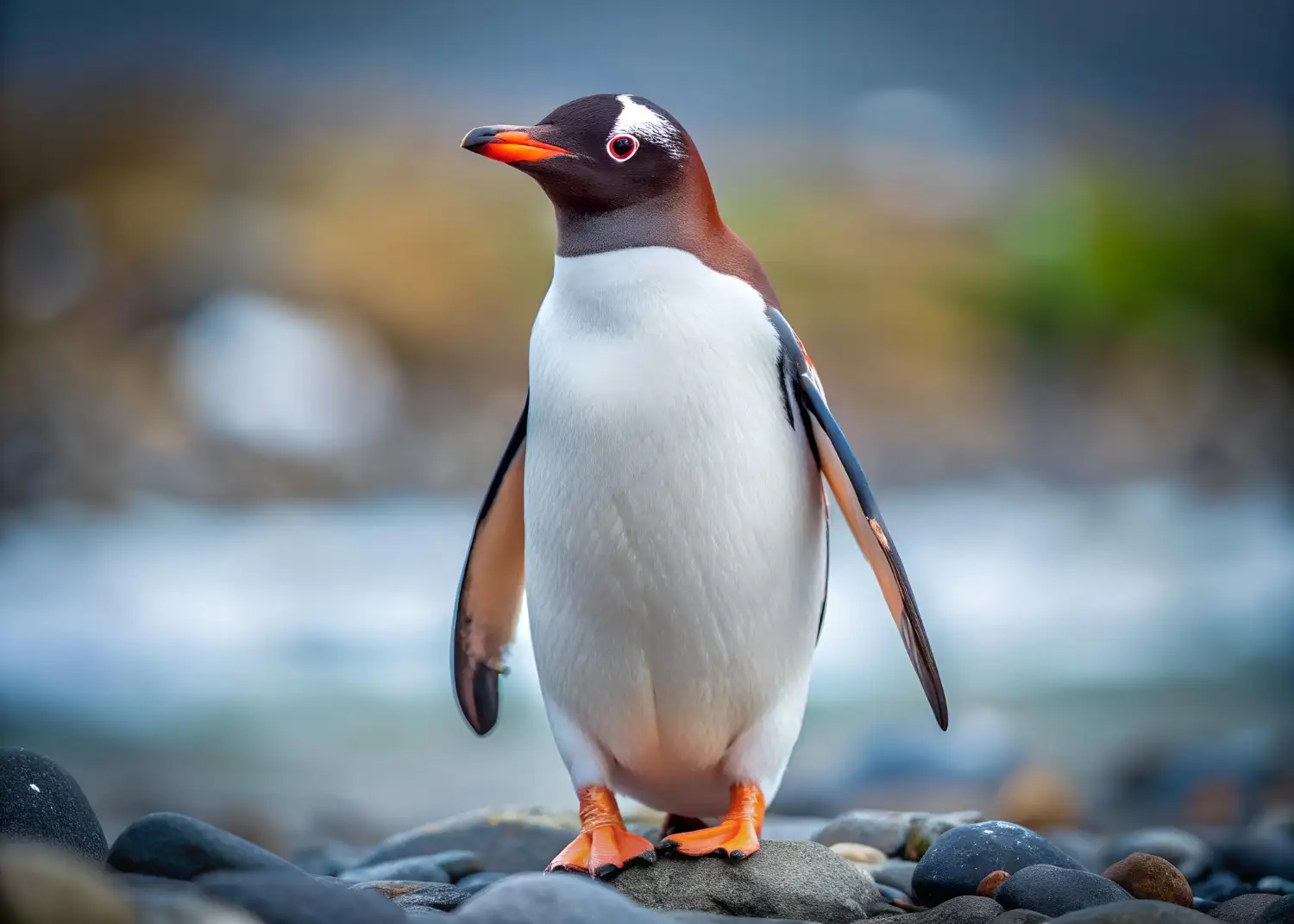
Built for Swimming, Not Flying
Penguins have evolved streamlined bodies that reduce water resistance, helping them glide through the ocean with ease. Their dense bones and compact shape make them excellent divers but too heavy for powered flight. Unlike flying birds, penguins are designed to move efficiently underwater rather than through the air.
Their Wings Became Powerful Flippers
Instead of broad, flexible wings used for flying, penguins have short, stiff flippers. These flippers act like underwater propellers, generating strong thrust with every stroke. This unique adaptation allows penguins to "fly" through water while chasing fish, squid, and krill.
Dense Bones Help Them Dive
Most flying birds have lightweight, hollow bones that make flight easier. Penguins, however, have denser and heavier bones. This extra weight helps reduce buoyancy, making it easier for them to dive deep and remain underwater while searching for food.
Strong Muscles Support Underwater Movement
Penguins have powerful chest and shoulder muscles that drive their flippers through the water. These muscles provide the strength needed for fast swimming and quick direction changes, but they are adapted for aquatic movement rather than lifting the bird into the air.
Built for Swimming, Not Flying
Penguins have evolved streamlined bodies that reduce water resistance, helping them glide through the ocean with ease. Their dense bones and compact shape make them excellent divers but too heavy for powered flight. Unlike flying birds, penguins are designed to move efficiently underwater rather than through the air. Their Wings Became Powerful Flippers
Instead of broad, flexible wings used for flying, penguins have short, stiff flippers. These flippers act like underwater propellers, generating strong thrust with every stroke. This unique adaptation allows penguins to "fly" through water while chasing fish, squid, and krill.Dense Bones Help Them Dive
Most flying birds have lightweight, hollow bones that make flight easier. Penguins, however, have denser and heavier bones. This extra weight helps reduce buoyancy, making it easier for them to dive deep and remain underwater while searching for food. Strong Muscles Support Underwater Movement
Penguins have powerful chest and shoulder muscles that drive their flippers through the water. These muscles provide the strength needed for fast swimming and quick direction changes, but they are adapted for aquatic movement rather than lifting the bird into the air.Next Story