
Why People Are Romanticising Their Daily Commute: Turning Travel into Therapy

For decades, the journey to and from work was widely regarded as the most tedious part of the day. Standard advice focused heavily on minimising travel time, complaining about crowded train carriages, and surviving gridlocked traffic. However, a noticeable mental shift is quietly taking place among modern workers and students. Rather than viewing travel time as lost hours, individuals are actively transforming their journeys into peaceful, personal rituals. Examining why people are romanticising their daily commute shows how transforming an ordinary routine into a mindful experience provides deep psychological comfort, structured solitude, and creative inspiration in an overstimulated world.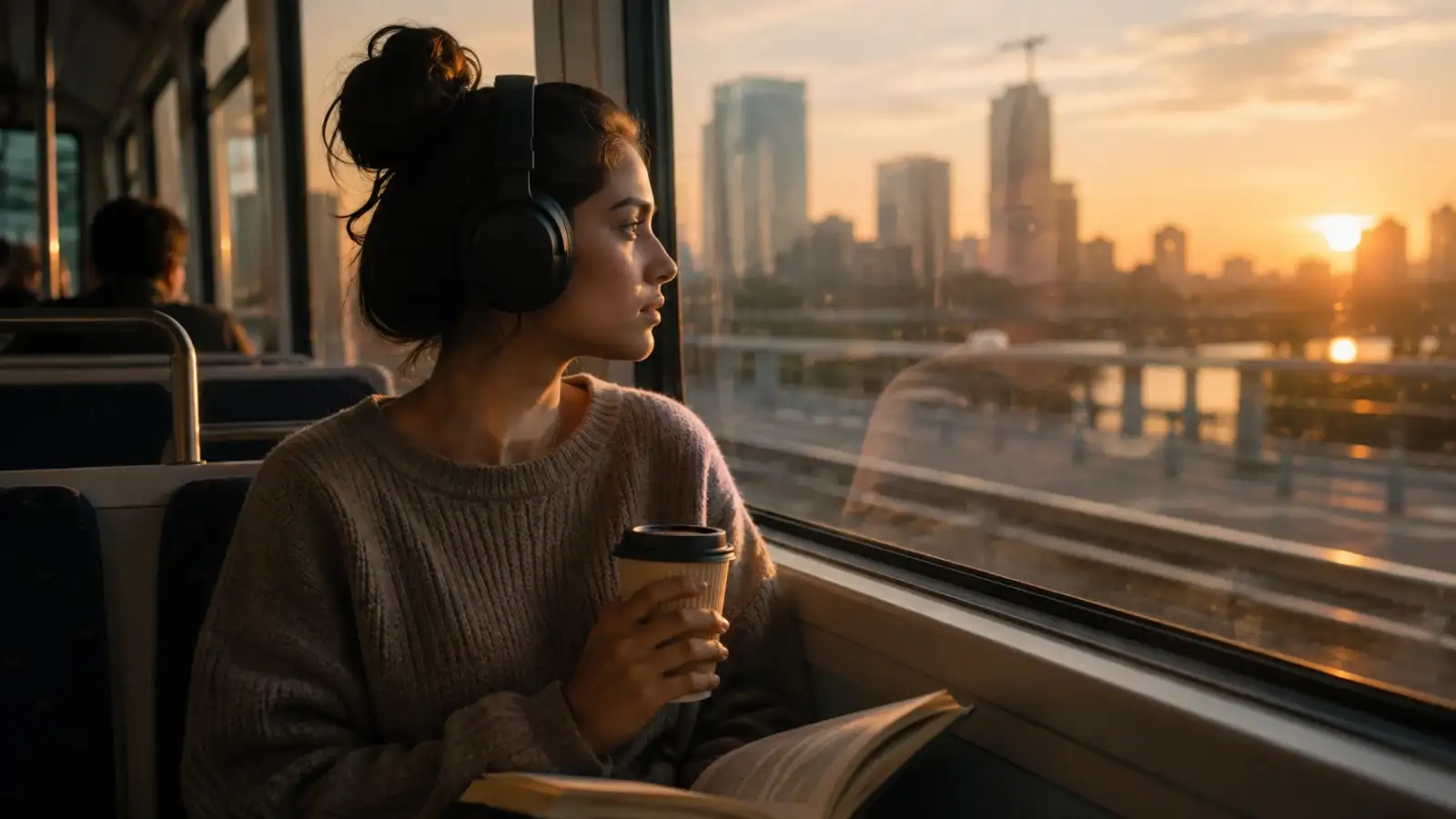
Reclaiming personal control in an unpredictable routine
Modern life often feels like an endless list of demands, deadlines, and social obligations. From the moment you wake up to the second you finish your working day, your time is largely dictated by employers, clients, or family members. The travel window between home and work represents one of the few moments of the day where you are completely on your own. Romanticising this transition allows individuals to reclaim a sense of personal agency. By intentionally choosing to put on a carefully curated playlist, sip a warm beverage from a flask, or simply gaze out of the train window, you take full ownership of your time. This subtle shift changes travel from an annoying chore into a cherished personal boundary.The power of cinematic mindset and main character energy
A major catalyst behind this movement is the popular online concept of being the main character in your own life. Visual platforms are filled with clips of people capturing rain-streaked bus windows, golden morning sunlight hitting city streets, and soft indie music playing over public transit journeys. Applying a cinematic lens to mundane activities makes everyday moments feel artful and meaningful. Putting on headphones and watching the world glide past creates the feeling of living inside a film scene. This playful mental framing turns an ordinary bus or train ride into a soothing, visually rich story.Creating a psychological bridge between home and work
The widespread adoption of flexible and hybrid working models has blurred the lines between professional duties and domestic life. When you work from home, stepping directly from your desk to your living room can leave you feeling mentally unsettled. A physical travel buffer creates a clear, essential psychological boundary. The morning travel time serves as a gentle ramp up to prepare your focus for work tasks. The evening return journey acts as a vital decompression chamber where you process workplace stress before arriving home. Taking this time to unwind helps you arrive home feeling present, calm, and ready to rest.Turning transit time into dedicated space for hobbies
Finding uninterrupted hours for personal interests during a busy week can feel nearly impossible. Romanticising your journey allows you to reclaim transit hours for personal growth and entertainment. Many commuters convert their daily travel into an exclusive reading hour, an opportunity to learn a new language, or a dedicated window for listening to audiobooks and podcasts. When you associate your travel time with a captivating novel or an inspiring audio series, you look forward to getting on the train.Embracing quiet presence over constant productivity
Ultimately, people are romanticising their daily commute because it offers a rare excuse to slow down without feeling guilty. In a culture obsessed with non-stop productivity and hustling, resting can feel like laziness. However, sitting on public transport gives you permission to simply observe the world around you. Watching the landscape change, noticing seasonal weather, and observing fellow passengers fosters present-moment awareness and quiet gratitude. Reframing this daily journey reminds us that life is found in small, ordinary moments rather than just the final destination.Next Story