
Why People Become Weirdly Attached to Their Houseplants and Start Treating Them Like Family

It can start innocently enough. You buy a houseplant because you like how it looks, place it somewhere suitable and try to keep it alive. Then something changes. You start checking its leaves, noticing every new bit of growth and wondering why it looks slightly different today. Eventually, the plant is no longer just another thing in the room. It has become something familiar that you look after, notice and genuinely care about.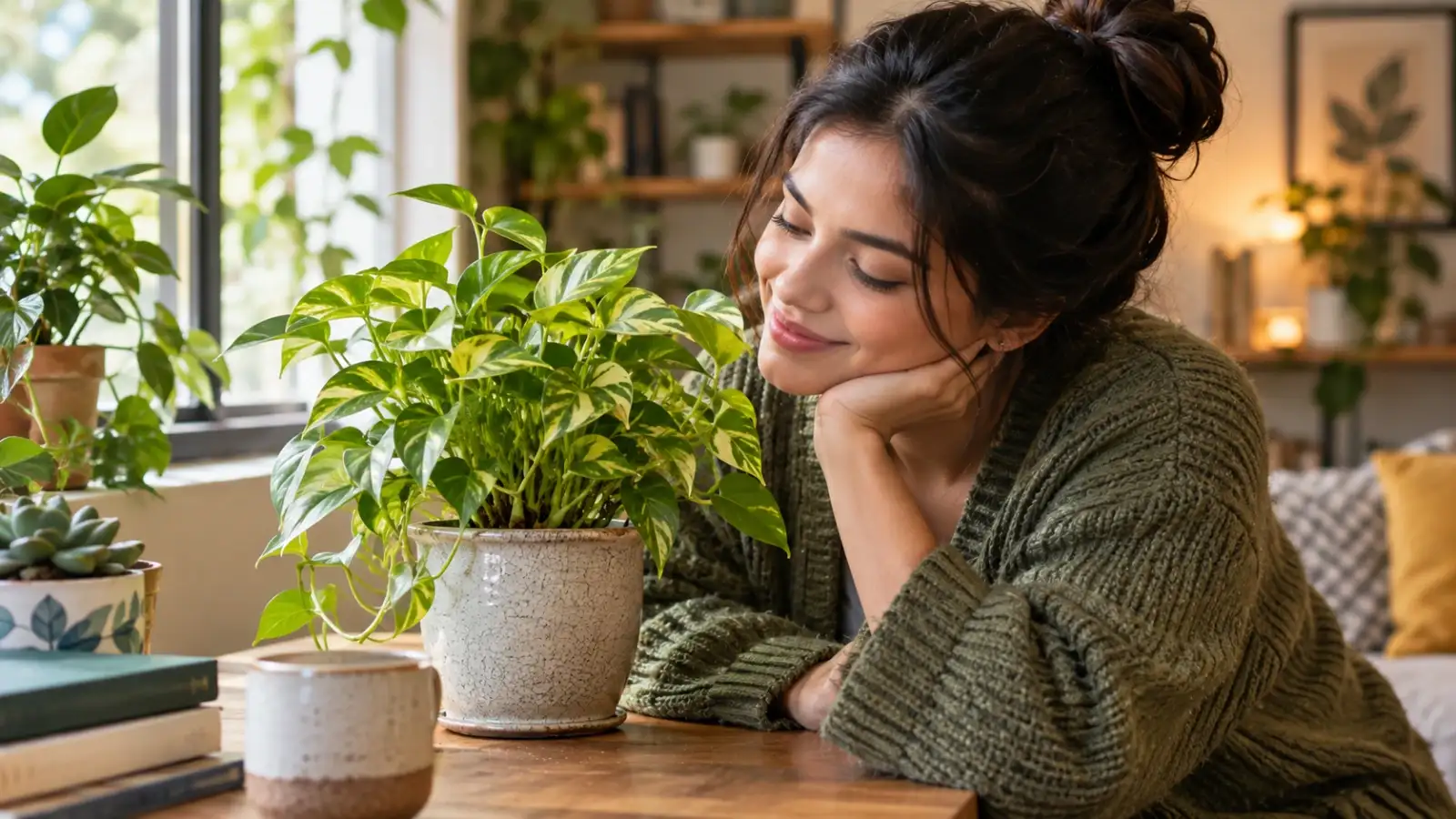
You water the plant, check its leaves and occasionally move it around. You see it while making breakfast, walking through the room or opening the curtains.
After enough repetition, the plant becomes part of the visual landscape of your home.
You know where it is without thinking about it. You recognise its usual appearance. You may even notice when something looks slightly different before consciously working out what has changed.
That familiarity can make the plant feel surprisingly important.
A plant may have looked smaller when it first arrived. Later, it might have more leaves or a completely different shape.
Because you have witnessed those changes, the plant can start to carry a little history.
You remember its earlier appearance. You remember where you first placed it. You may remember when you first noticed new growth.
It is no longer simply a plant you own. It has become something you have watched develop.
Even simple plant care requires attention. You notice when something looks different and respond to what you see.
That involvement can make the plant feel more connected to your everyday life.
The relationship is not necessarily dramatic. It can be as simple as knowing that the plant needs your attention from time to time.
The act of caring can make something feel more meaningful than it did when you first brought it home.
A new leaf can become surprisingly exciting. A change in the position of a leaf can make you stop for a closer look.
Someone else might walk past without noticing anything.
But if you regularly care for the plant, you already know what it usually looks like. That makes even a small difference easier to spot.
The plant starts giving you little things to notice.
People may give their plants names, talk about them or describe them in human terms. A plant might be called dramatic because its leaves are always attracting attention, while another may simply become known as the easy one.
These habits can make plants feel more familiar and entertaining.
The plant has not necessarily changed. The way you relate to it has.
Something that began as decoration can slowly become part of the character of your home.
Perhaps you bought it for a new home. Maybe it was a gift. Perhaps you grew it from a cutting or watched it develop during a period when you spent more time at home.
Over time, the plant can become associated with those memories.
Seeing it again can therefore remind you of when it first arrived or how different the space looked back then.
That history can make it harder to think of the plant as just another household object.
A space can suddenly look different when a plant has been moved or removed.
The empty spot may be more noticeable than expected because your eyes are used to seeing the plant there.
That is a small but revealing part of plant ownership. Something that once seemed like decoration can become part of how you recognise your own surroundings.
A new leaf can feel like an achievement worth noticing. A plant becoming fuller can be satisfying because you remember how it looked earlier.
The enjoyment comes partly from having witnessed the change.
You have been there for the ordinary stages, rather than simply seeing the finished result.
You see them regularly. You care for them. You notice when they change. You remember what they looked like before.
None of this requires the plant to do anything extraordinary.
Its familiarity is the point.
A houseplant can quietly become part of the rhythm of a home, occupying the same corner while slowly changing over time. And after months or years of seeing and caring for it, calling it 'just a plant' can start to feel like a surprisingly difficult description.
It Becomes Part Of Your Routine
Attachment can begin with something as ordinary as a routine.You water the plant, check its leaves and occasionally move it around. You see it while making breakfast, walking through the room or opening the curtains.
After enough repetition, the plant becomes part of the visual landscape of your home.
You know where it is without thinking about it. You recognise its usual appearance. You may even notice when something looks slightly different before consciously working out what has changed.
That familiarity can make the plant feel surprisingly important.
You Remember How It Looked Before
Houseplants change over time, and people who care for them often notice those changes closely.A plant may have looked smaller when it first arrived. Later, it might have more leaves or a completely different shape.
Because you have witnessed those changes, the plant can start to carry a little history.
You remember its earlier appearance. You remember where you first placed it. You may remember when you first noticed new growth.
It is no longer simply a plant you own. It has become something you have watched develop.
Caring Creates A Sense Of Involvement
There is also something personal about being responsible for another living thing.Even simple plant care requires attention. You notice when something looks different and respond to what you see.
That involvement can make the plant feel more connected to your everyday life.
The relationship is not necessarily dramatic. It can be as simple as knowing that the plant needs your attention from time to time.
The act of caring can make something feel more meaningful than it did when you first brought it home.
Small Changes Start To Matter
One of the clearest signs of attachment is how much attention people give to tiny changes.A new leaf can become surprisingly exciting. A change in the position of a leaf can make you stop for a closer look.
Someone else might walk past without noticing anything.
But if you regularly care for the plant, you already know what it usually looks like. That makes even a small difference easier to spot.
The plant starts giving you little things to notice.
You Start Giving Plants Personalities
This is where things can become slightly funny.People may give their plants names, talk about them or describe them in human terms. A plant might be called dramatic because its leaves are always attracting attention, while another may simply become known as the easy one.
These habits can make plants feel more familiar and entertaining.
The plant has not necessarily changed. The way you relate to it has.
Something that began as decoration can slowly become part of the character of your home.
The Plant Becomes Linked To Memories
A houseplant can also become connected to a particular period of your life.Perhaps you bought it for a new home. Maybe it was a gift. Perhaps you grew it from a cutting or watched it develop during a period when you spent more time at home.
Over time, the plant can become associated with those memories.
Seeing it again can therefore remind you of when it first arrived or how different the space looked back then.
That history can make it harder to think of the plant as just another household object.
You Notice When Something Is Missing
Attachment can become especially obvious when a familiar plant is no longer there.A space can suddenly look different when a plant has been moved or removed.
The empty spot may be more noticeable than expected because your eyes are used to seeing the plant there.
You may also like
- Relationship Status: It's complicated. Thank God, there's coffee
- “Should we catch the snake?” Video shows poisonous snake in Gondia–Barauni Express 3AC coach; what travellers should do
- TOI Home & Decor Awards 2026: Winners, highlights and key moments from the evening
- Why Did Vishnu Make Shiva's Devotees Turn Against Him?
That is a small but revealing part of plant ownership. Something that once seemed like decoration can become part of how you recognise your own surroundings.
You Start Caring About Its Progress
When people become attached to plants, they often pay attention to progress as well as appearance.A new leaf can feel like an achievement worth noticing. A plant becoming fuller can be satisfying because you remember how it looked earlier.
The enjoyment comes partly from having witnessed the change.
You have been there for the ordinary stages, rather than simply seeing the finished result.
It Is Familiar, And That Can Be Enough
Perhaps people become attached to houseplants because they gradually become part of everyday life.You see them regularly. You care for them. You notice when they change. You remember what they looked like before.
None of this requires the plant to do anything extraordinary.
Its familiarity is the point.
A houseplant can quietly become part of the rhythm of a home, occupying the same corner while slowly changing over time. And after months or years of seeing and caring for it, calling it 'just a plant' can start to feel like a surprisingly difficult description.






Loving Newspoint? Download the app now
