
Kitchen Hacks: Why Adding a Ball of Foil to Your Dishwasher Banishes Tarnished Silver

Maintaining glossy, spotless cutlery can feel like an ongoing battle, especially when regular dishwasher cycles leave metal spoons, forks, and knives looking dull, spotted, or tarnished. While commercial spot-removers and specialty chemical rinses offer solutions, home cooks and social media users have popularized an extraordinarily low-cost alternative: tossing a crumpled ball of ordinary aluminium foil directly into the dishwasher's silverware basket. Although placing metal foil inside a major kitchen appliance sounds counterintuitive, the hack relies on a simple chemical reaction rather than mechanical scrubbing to yield surprisingly brilliant results.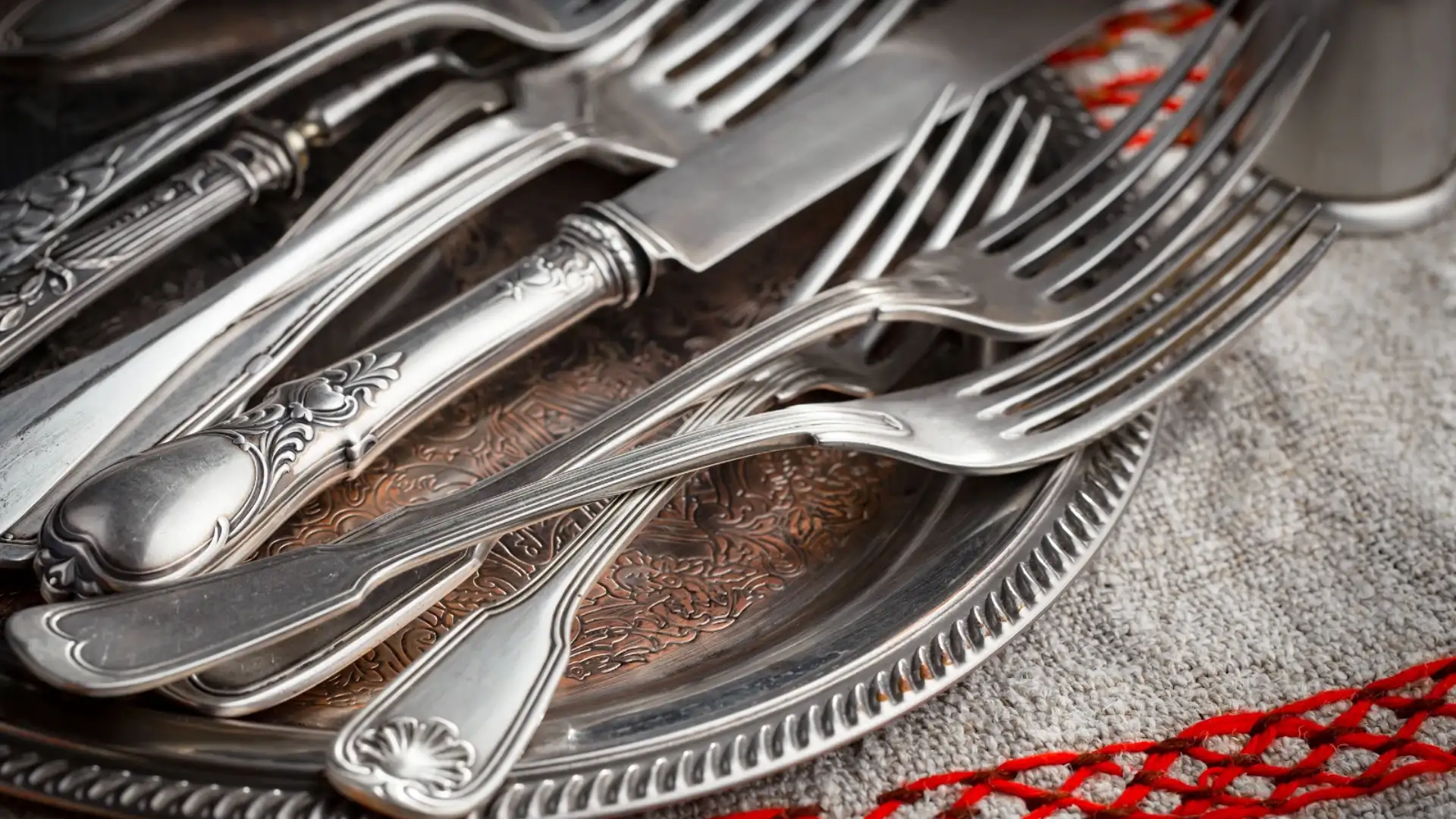
1. The Mechanics of the Dishwasher Foil Hack
To execute the trick, users roll a small sheet of standard kitchen aluminium foil into a loose ball roughly the size of a golf ball. The foil ball is placed directly into one of the cutlery compartments alongside metal utensils, forks, and knives. The dishwasher is then run through its standard cleaning cycle with regular dishwasher detergent and hot water. When the cycle finishes, users report that silverware emerges noticeably brighter, free of dull film, and stripped of the oxidation that typically builds up over repeated washings.2. How It Works: Oxidation and Ion Exchange
Contrary to initial assumptions, the foil ball does not physically bounce around inside the machine to scrub food particles off utensils. Instead, the magic happens through a chemical process known as ion exchange or oxidation-reduction. Dishwasher detergent tablets contain sodium compounds that, when dissolved in hot water, create an electrolytic solution. The aluminium in the foil reacts with these chemical compounds, attracting sulfur and tarnish molecules off the surface of silver and stainless steel cutlery. The tarnish effectively transfers onto the aluminium foil, leaving the utensils polished and shiny.You may also like
- Meet Surta Parmar: When a car carrying a couple and their 11-month-old baby plunged into a 10-foot-deep pond in Rajasthan, she jumped in, broke the window and pulled the child out before rescuing the parents
- How to Choose the Right Jeans for Your Body Type
- Why Children Prefer Household Items Over Toys
- Essential Safety Tips for Parents with Young Children at Home
- This small mistake by children could lead to serious trouble; learn about safety before latching the room door..
3. Eliminating Water Spots and Mineral Buildup
In addition to reversing tarnish, the chemical reaction helps minimize cloudy hard-water spots. Hard water contains high concentrations of calcium and magnesium minerals that cling to metal surfaces as hot water evaporates during the drying cycle. The presence of aluminium foil during the wash alters the electrical charge of dissolved minerals, preventing them from bonding firmly to stainless steel surfaces. This leaves cutlery looking crisp and streak-free without needing hand-towel polishing.4. Key Safety Guidelines and Precautions
While the hack works exceptionally well for everyday stainless steel and standard silver-plated cutlery, certain safety precautions are necessary to protect both your kitchenware and the appliance:- Keep Foil Loose: Do not compress the aluminium into a dense, hard sphere. A loosely rolled ball provides maximum surface area for the chemical reaction to take place effectively.
- Avoid True Antique Silver: High-value sterling silver or antique heirloom pieces should never be washed in a dishwasher due to harsh high-heat drying cycles and aggressive detergent chemicals. Hand-polishing remains the safest choice for fine antiques.
- Do Not Block Sprayer Arms: Ensure the foil ball sits securely inside a cutlery basket compartment so it cannot dislodge, float around, or block the dishwasher’s rotating water spray arms.






Loving Newspoint? Download the app now
