
Why Pineapple Was Once Called the King of Fruits

Pineapple is now a common sight in supermarkets and fruit markets around the world. But centuries ago, this tropical fruit was so rare and valuable that it earned the title ' King of Fruits ' in many parts of Europe. Its remarkable journey from an exotic luxury to an everyday fruit is a fascinating chapter in history.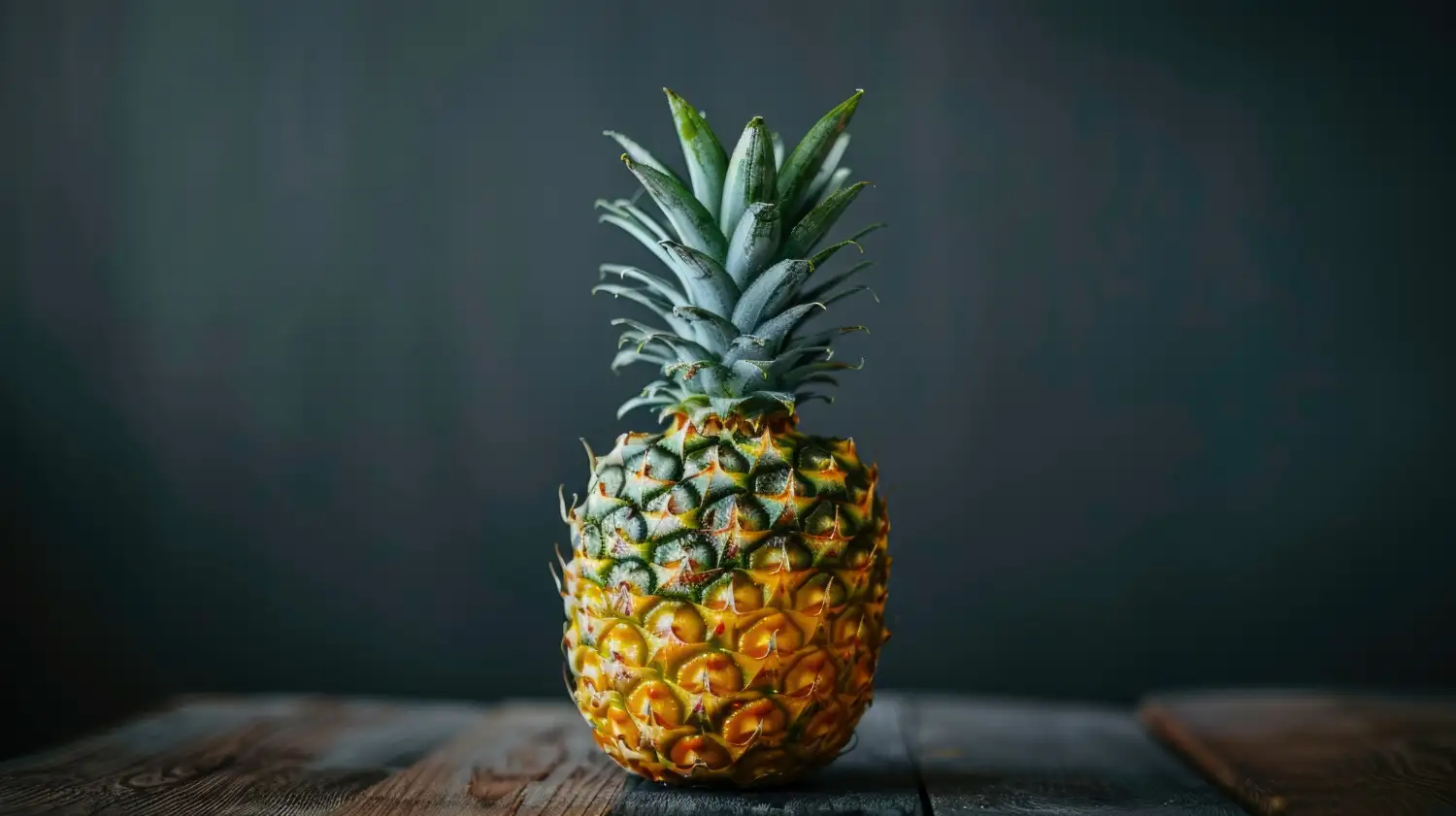
A Rare Treasure from the Tropics
Pineapple is native to South America and was cultivated by Indigenous communities long before European explorers arrived. When European expeditions encountered the fruit in the late 15th century, they were amazed by its sweet taste, juicy texture, and striking appearance. Since it could only grow in tropical climates, transporting it to Europe was difficult and expensive.
A Symbol of Wealth and Prestige
In the 17th and 18th centuries, owning a fresh pineapple became a powerful status symbol among Europe's wealthy elite. The fruit was so scarce that only royalty and affluent families could afford it. Hosts proudly displayed pineapples at lavish banquets to showcase their wealth and social standing. In some cases, a single pineapple was displayed repeatedly before it was finally eaten.
Why It Was Called the 'King of Fruits'
The pineapple's majestic appearance played a major role in its royal reputation. Its crown of spiky leaves resembled a regal crown, while its golden flesh and exceptional sweetness made it unlike any other fruit known in Europe at the time. These qualities helped it earn the nickname 'King of Fruits' in historical accounts and popular culture.
A Fruit Fit for Royal Tables
European monarchs and nobles prized pineapples so highly that they became symbols of luxury. Paintings from the era often featured pineapples alongside members of the royal family. Wealthy landowners even built heated greenhouses, known as "pineapple pits," to cultivate the fruit despite Europe's unsuitable climate.
More Than Food: A Sign of Hospitality
Beyond its rarity, the pineapple also came to represent hospitality and warm welcome. Hosts displayed the fruit at the entrance to grand homes or used pineapple-shaped decorations to greet guests. This symbolism spread to architecture, furniture, and decorative arts, especially in Britain and later in colonial America.
From Luxury to Everyday Fruit
Advances in global trade, refrigeration, and commercial farming during the 19th and 20th centuries transformed pineapple into an affordable fruit. Large-scale cultivation in tropical regions made it widely available, allowing people across the world to enjoy what was once considered an exclusive delicacy.
The Legacy Lives On
Although pineapple is no longer a rare luxury, its historical reputation remains. Pineapple motifs continue to symbolize hospitality in many cultures, and the fruit's distinctive crown still gives it a regal appearance. Its rich history reminds us that foods we now take for granted were once prized treasures.
Pineapple earned the title 'King of Fruits' in parts of Europe because of its rarity, high cost, unique appearance, and association with royalty and prestige. While the nickname is historical rather than official, it reflects how extraordinary this tropical fruit once seemed. Today, pineapple is enjoyed worldwide, but its royal past continues to make it one of history's most fascinating fruits.
Disclaimer: The information presented in this article is based on publicly available online sources. NewsPoint has not independently verified the information or the claims mentioned.
A Rare Treasure from the Tropics
Pineapple is native to South America and was cultivated by Indigenous communities long before European explorers arrived. When European expeditions encountered the fruit in the late 15th century, they were amazed by its sweet taste, juicy texture, and striking appearance. Since it could only grow in tropical climates, transporting it to Europe was difficult and expensive. A Symbol of Wealth and Prestige
In the 17th and 18th centuries, owning a fresh pineapple became a powerful status symbol among Europe's wealthy elite. The fruit was so scarce that only royalty and affluent families could afford it. Hosts proudly displayed pineapples at lavish banquets to showcase their wealth and social standing. In some cases, a single pineapple was displayed repeatedly before it was finally eaten.Why It Was Called the 'King of Fruits'
The pineapple's majestic appearance played a major role in its royal reputation. Its crown of spiky leaves resembled a regal crown, while its golden flesh and exceptional sweetness made it unlike any other fruit known in Europe at the time. These qualities helped it earn the nickname 'King of Fruits' in historical accounts and popular culture. A Fruit Fit for Royal Tables
European monarchs and nobles prized pineapples so highly that they became symbols of luxury. Paintings from the era often featured pineapples alongside members of the royal family. Wealthy landowners even built heated greenhouses, known as "pineapple pits," to cultivate the fruit despite Europe's unsuitable climate.You may also like
More Than Food: A Sign of Hospitality
Beyond its rarity, the pineapple also came to represent hospitality and warm welcome. Hosts displayed the fruit at the entrance to grand homes or used pineapple-shaped decorations to greet guests. This symbolism spread to architecture, furniture, and decorative arts, especially in Britain and later in colonial America. From Luxury to Everyday Fruit
Advances in global trade, refrigeration, and commercial farming during the 19th and 20th centuries transformed pineapple into an affordable fruit. Large-scale cultivation in tropical regions made it widely available, allowing people across the world to enjoy what was once considered an exclusive delicacy. The Legacy Lives On
Although pineapple is no longer a rare luxury, its historical reputation remains. Pineapple motifs continue to symbolize hospitality in many cultures, and the fruit's distinctive crown still gives it a regal appearance. Its rich history reminds us that foods we now take for granted were once prized treasures. Pineapple earned the title 'King of Fruits' in parts of Europe because of its rarity, high cost, unique appearance, and association with royalty and prestige. While the nickname is historical rather than official, it reflects how extraordinary this tropical fruit once seemed. Today, pineapple is enjoyed worldwide, but its royal past continues to make it one of history's most fascinating fruits.
Disclaimer: The information presented in this article is based on publicly available online sources. NewsPoint has not independently verified the information or the claims mentioned.






More from our partners


Loving Newspoint? Download the app now
