
Why People Who Care for Plants Can Tell When Something Is Slightly Different

There is a strange little skill many plant parents seem to develop. They can walk past a houseplant and immediately notice that something is different. Maybe one leaf is sitting at a slightly unusual angle, a new shoot has appeared, or the soil looks a little different from yesterday. To someone else, the plant looks exactly the same. But for the person caring for it, that tiny change can be surprisingly obvious. It is less about having a special ability and more about becoming familiar with something you regularly look after.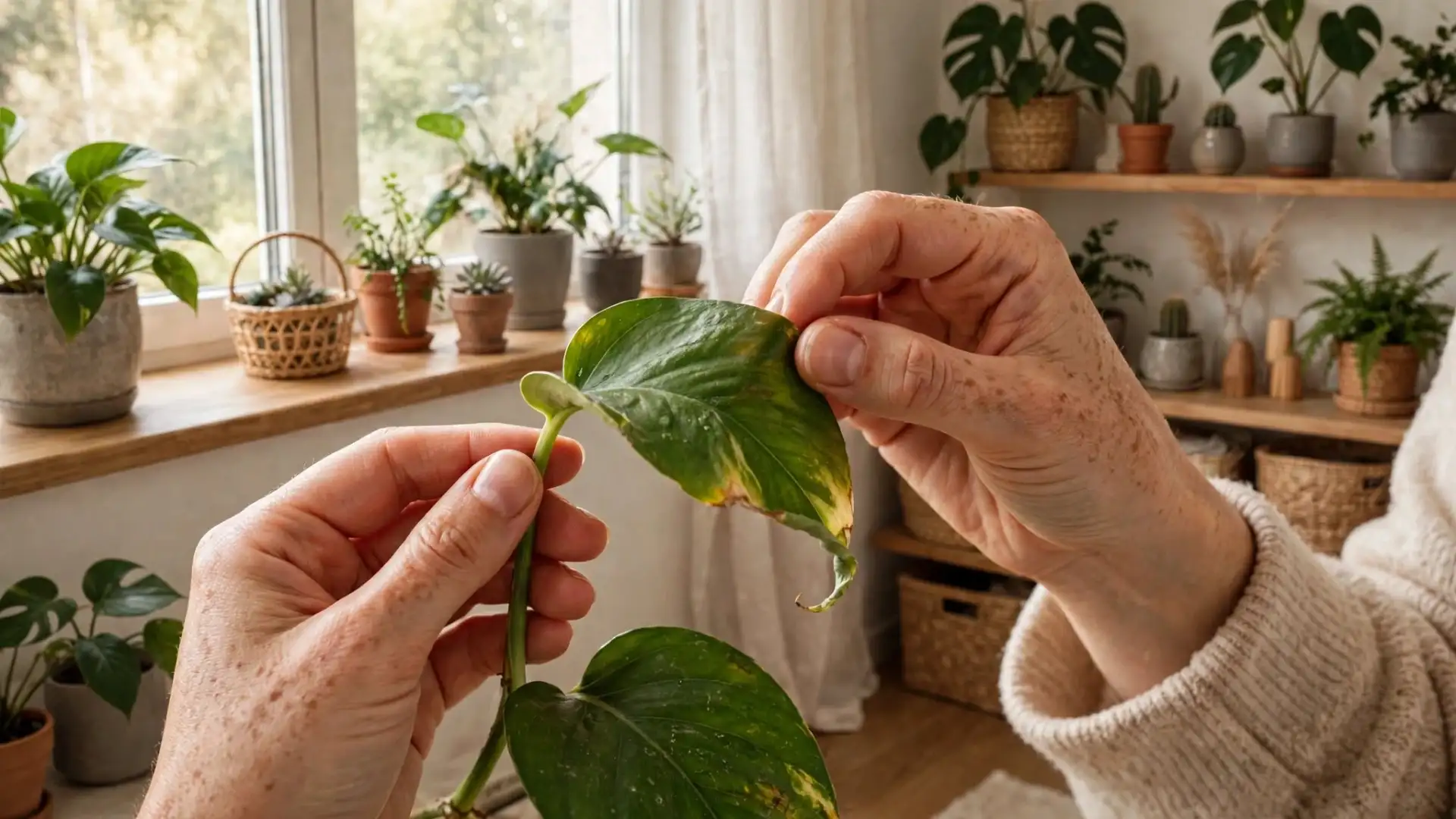
When you regularly water, clean, move or simply look at a plant, you become familiar with its usual appearance. You know roughly how its leaves sit, where new growth tends to appear and what the soil normally looks like.
That familiarity creates a useful point of comparison. A tiny difference stands out because there is already a mental picture of how the plant usually looks.
It is similar to noticing when something in your own room has been moved. Someone visiting for the first time probably would not notice. You might spot it immediately.
A new leaf can begin as a very small change tucked between existing leaves. A fresh shoot may also be easy to overlook if you are not paying attention. Plant parents who regularly check their plants can spot these developments much earlier simply because they are looking at the same areas again and again.
That tiny green change can suddenly become the most exciting thing in the room.
Their position, shape and appearance can attract attention when you already know the plant well. A leaf that has changed position or a new leaf that has started unfolding may be noticeable to someone who checks the plant frequently.
This does not mean every small change signals a problem. Plants naturally grow and change. The important part is recognising what is different rather than immediately assuming something is wrong.
Over time, they become familiar with how the soil looks and feels during different points between watering. They may notice when the surface looks different, when the pot feels lighter or when the plant seems to have used more water than usual.
These observations become part of the routine of caring for a plant. Something that might look completely ordinary to another person can therefore become a noticeable detail.
A person who sees a plant once a week may notice a large change. Someone who sees it every day has many more reference points. A new leaf, a small shift in growth or a subtle difference in appearance can therefore feel much more obvious.
Plant care becomes partly an exercise in observation.
A new leaf can feel rewarding because it represents visible change after days of ordinary growth. A small difference in appearance can also make someone pause and take a closer look.
So when a plant parent suddenly says, "Wait, this leaf wasn't like that yesterday," they may not be imagining things. They have simply spent enough time looking at the plant to know what usually belongs there.
And that may be one of the quiet pleasures of having houseplants. The more closely you look, the more there is to notice.
You Start Learning What ‘Normal’ Looks Like
The biggest reason plant parents notice small changes is simple: they see their plants repeatedly.When you regularly water, clean, move or simply look at a plant, you become familiar with its usual appearance. You know roughly how its leaves sit, where new growth tends to appear and what the soil normally looks like.
That familiarity creates a useful point of comparison. A tiny difference stands out because there is already a mental picture of how the plant usually looks.
It is similar to noticing when something in your own room has been moved. Someone visiting for the first time probably would not notice. You might spot it immediately.
New Growth Can Be Surprisingly Easy To Miss
One of the most satisfying things about keeping plants is watching new growth appear.A new leaf can begin as a very small change tucked between existing leaves. A fresh shoot may also be easy to overlook if you are not paying attention. Plant parents who regularly check their plants can spot these developments much earlier simply because they are looking at the same areas again and again.
That tiny green change can suddenly become the most exciting thing in the room.
Leaves Tell A Different Story Every Day
Leaves can also look slightly different from one day to another.Their position, shape and appearance can attract attention when you already know the plant well. A leaf that has changed position or a new leaf that has started unfolding may be noticeable to someone who checks the plant frequently.
This does not mean every small change signals a problem. Plants naturally grow and change. The important part is recognising what is different rather than immediately assuming something is wrong.
Even The Soil Becomes Familiar
Plant parents do not only watch the leaves.Over time, they become familiar with how the soil looks and feels during different points between watering. They may notice when the surface looks different, when the pot feels lighter or when the plant seems to have used more water than usual.
These observations become part of the routine of caring for a plant. Something that might look completely ordinary to another person can therefore become a noticeable detail.
Repetition Makes Observation Sharper
There is also something about repetition. Looking at the same plants frequently gives people more opportunities to notice gradual changes.A person who sees a plant once a week may notice a large change. Someone who sees it every day has many more reference points. A new leaf, a small shift in growth or a subtle difference in appearance can therefore feel much more obvious.
Plant care becomes partly an exercise in observation.
Why Small Changes Feel So Important
There is another reason these tiny details can capture a plant parent's attention. Caring for a plant creates a sense of familiarity with it.A new leaf can feel rewarding because it represents visible change after days of ordinary growth. A small difference in appearance can also make someone pause and take a closer look.
So when a plant parent suddenly says, "Wait, this leaf wasn't like that yesterday," they may not be imagining things. They have simply spent enough time looking at the plant to know what usually belongs there.
And that may be one of the quiet pleasures of having houseplants. The more closely you look, the more there is to notice.
Next Story