
Why Prostaglandins Trigger Period Pain and How it Affects Fertility


Cramps during the period are a common concern during menstruation. You may feel them in your lower abdomen, which may spread to your back and thighs, or experience pressure in your pelvis. Pain may be mild in some months, but it can be difficult to manage in others.
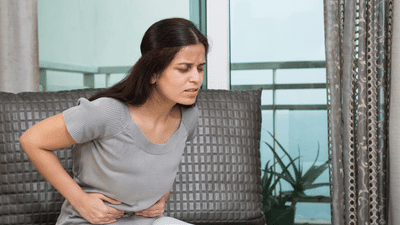
Prostaglandins are the reason for this pain. These are chemical messengers produced in your body that help your uterus function during your period. Higher levels can lead to stronger uterine contractions and more pain, but more pain does not impact your fertility.
What Are Prostaglandins in Simple Terms?
Prostaglandins are fat-like compounds made by your body. They act like local hormones and regulate many normal functions, such as:
You can think of prostaglandins as your body’s signal messengers that tell your uterus that it is time to release the lining.
Why Does Your Body Produce Prostaglandins During Periods?
Your menstrual cycle is a controlled process. When pregnancy does not occur, hormone levels like oestrogen and progesterone drop. It leads to the shedding of the uterine lining.

Prostaglandins help by:
The pain you feel during period cramps is due to uterine muscle contractions. Prostaglandins stimulate these contractions.
Stronger contractions = more painThe contractions become stronger when prostaglandin levels are elevated. This can cause the following reactions.
How Do Prostaglandins Reduce Blood Flow and Increase Pain?
Prostaglandins do not cause just muscle contractions. They can also narrow the blood vessels in the uterus, so when blood flow decreases, the uterine muscles receive less oxygen.
Less oxygen can cause pain. It is similar to how muscle cramps feel during intense exercise when oxygen supply is limited.
What Is the Difference Between Normal Cramps and Severe Pain?Mild to moderate cramps are common and improve with rest, heat, and basic pain relief. However, severe pain may suggest other problems.
Normal period cramps usually:
Can Prostaglandins Cause Other Symptoms Besides Pain?Prostaglandins can affect nearby organs, too.
You may experience:
EndometriosisWhen tissue similar to the uterine lining grows outside the uterus, it causes inflammation and painful periods.
AdenomyosisThis happens when the uterine lining grows into the uterine muscle wall, making cramps more severe and periods more painful.
FibroidsIt is a condition in which non-cancerous growths inside the uterus can cause heavy bleeding and stronger cramps.
What Can You Do to Reduce Prostaglandin-Related Period Pain?You cannot fully stop prostaglandin production because your body needs it. However, you can manage the pain.
Use heat therapyA warm compress, such as a water bag, applied to your lower abdomen can relax muscles and improve blood flow.
Try gentle movementWalking or stretching can reduce cramps by improving circulation and releasing natural pain-relief chemicals.
Consider NSAIDs (with medical advice)Ibuprofen and naproxen reduce prostaglandin production. They work best when you take them at the first sign of cramps or when spotting begins. However, consult your doctor first.
Lifestyle Habits That Can Improve Period Pain Over TimeYour daily habits can affect your discomfort. Small changes help in the long run.
Emotional and Social Impact of Period PainMenstrual cramps can impact your daily life and also your emotions. You may feel frustrated if others dismiss it as normal. You may also feel guilty for needing rest.
Pain is real, and there is no harm in seeking comfort. Support from your partner, friends, or family can make you feel less alone.
If period pain affects your mental health, you can discuss it with a professional.
When Should You See a Doctor for Period Pain?
Prostaglandins are the reason for this pain. These are chemical messengers produced in your body that help your uterus function during your period. Higher levels can lead to stronger uterine contractions and more pain, but more pain does not impact your fertility.
What Are Prostaglandins in Simple Terms?
Prostaglandins are fat-like compounds made by your body. They act like local hormones and regulate many normal functions, such as:
- Inflammation and healing
- Blood clotting
- Fever response
- Muscle contractions in different organs
You can think of prostaglandins as your body’s signal messengers that tell your uterus that it is time to release the lining.
Why Does Your Body Produce Prostaglandins During Periods?
Your menstrual cycle is a controlled process. When pregnancy does not occur, hormone levels like oestrogen and progesterone drop. It leads to the shedding of the uterine lining.
Prostaglandins help by:
- Starting uterine contractions
- Helping blood vessels tighten and release
- Supporting the shedding of the lining
The pain you feel during period cramps is due to uterine muscle contractions. Prostaglandins stimulate these contractions.
Stronger contractions = more painThe contractions become stronger when prostaglandin levels are elevated. This can cause the following reactions.
- Tight and squeezing pain in the lower abdomen
- Cramping that comes in waves
- A feeling of heaviness or pressure
How Do Prostaglandins Reduce Blood Flow and Increase Pain?
Prostaglandins do not cause just muscle contractions. They can also narrow the blood vessels in the uterus, so when blood flow decreases, the uterine muscles receive less oxygen.
Less oxygen can cause pain. It is similar to how muscle cramps feel during intense exercise when oxygen supply is limited.
What Is the Difference Between Normal Cramps and Severe Pain?Mild to moderate cramps are common and improve with rest, heat, and basic pain relief. However, severe pain may suggest other problems.
Normal period cramps usually:
- Improve within 2–3 days
- Feel manageable with home care
- Do not stop you from doing everything
- Cause nausea, vomiting, or fainting
- Prevent you from working or attending classes
- Feel worse year after year
- Continue even after the first few days
Can Prostaglandins Cause Other Symptoms Besides Pain?Prostaglandins can affect nearby organs, too.
You may experience:
- Nausea
- Loose stools or diarrhoea
- Bloating
- Headaches
- Low back pain
- Fatigue
EndometriosisWhen tissue similar to the uterine lining grows outside the uterus, it causes inflammation and painful periods.
AdenomyosisThis happens when the uterine lining grows into the uterine muscle wall, making cramps more severe and periods more painful.
FibroidsIt is a condition in which non-cancerous growths inside the uterus can cause heavy bleeding and stronger cramps.
What Can You Do to Reduce Prostaglandin-Related Period Pain?You cannot fully stop prostaglandin production because your body needs it. However, you can manage the pain.
Use heat therapyA warm compress, such as a water bag, applied to your lower abdomen can relax muscles and improve blood flow.
Try gentle movementWalking or stretching can reduce cramps by improving circulation and releasing natural pain-relief chemicals.
Consider NSAIDs (with medical advice)Ibuprofen and naproxen reduce prostaglandin production. They work best when you take them at the first sign of cramps or when spotting begins. However, consult your doctor first.
Lifestyle Habits That Can Improve Period Pain Over TimeYour daily habits can affect your discomfort. Small changes help in the long run.
- Regular physical activity
- Better sleep routine
- Limiting caffeine and salty foods
- Eating foods rich in omega-3 fats (like flaxseeds, walnuts)
- Including magnesium-rich foods (like bananas, leafy greens)
Emotional and Social Impact of Period PainMenstrual cramps can impact your daily life and also your emotions. You may feel frustrated if others dismiss it as normal. You may also feel guilty for needing rest.
Pain is real, and there is no harm in seeking comfort. Support from your partner, friends, or family can make you feel less alone.
If period pain affects your mental health, you can discuss it with a professional.
When Should You See a Doctor for Period Pain?
- Pain is severe and worsening every month
- You miss work, school, or daily activities because of cramps
- Painkillers do not help at all
- You experience heavy bleeding with clots frequently
- You have pain during sex
- You have bleeding between periods
- Track your pain level for 2–3 cycles
- Note when cramps start and how long they last
- Use heat therapy early
- Consider NSAIDs only after medical guidance
- Stay hydrated and eat light, balanced meals
- Consult a doctor if pain affects your daily life
Next Story