
Why Protein Has Become the Biggest Health Trend and Whether You Really Need More of It

Walk into any supermarket today and you'll notice a pattern. Protein coffee, protein yoghurt, protein chips, protein ice cream and even protein water have become part of everyday shopping. Scroll through social media, and fitness influencers, doctors and nutritionists all seem to be talking about one nutrient more than any other. Protein has evolved from something associated mainly with bodybuilders into one of the biggest health trends of 2026. But is everyone really deficient in protein, or has clever marketing fuelled the obsession? The answer lies somewhere in between, and understanding it could change the way you approach your daily diet.
Why Protein Has Become So Popular
Protein is one of the three essential macronutrients alongside carbohydrates and fats. Unlike fad diets that come and go, protein has a well-established role in building and repairing muscles, producing hormones, supporting the immune system and maintaining healthy skin, hair and bones.As more people embrace strength training, walking, active ageing and weight management, protein has become the centre of conversations about long-term health rather than just muscle building.
Health experts now emphasise that maintaining muscle mass is important at every age, especially as natural muscle loss begins in adulthood.
Social Media Has Turned Protein into a Lifestyle
Social media has played a major role in making protein a household word. Recipes promising high-protein breakfasts, quick snacks and healthy desserts attract millions of views every day.You may also like
- Train News: Several trains are affected from today until August 7; check which routes have changed and view the full list.
- Ex-Agniveer Reservation: 50% quota in new recruitments; know the eligibility, age limit, salary, and job opportunities.
- Boss Warning Signs: If your boss shows these signs, your job could be at risk. Here's what you should never say to your senior.
- What happens when you eat garlic and honey on an empty stomach? An Ayurvedic doctor explains the benefits..
- This Karnataka boy grew up in a village without the internet; today, his space-tech startup works with NASA: What Pixxel CEO Awais Ahmed's parents invested in
Food manufacturers have responded by introducing protein-enriched versions of products that traditionally contained very little protein. While some genuinely help people meet their nutritional needs, others simply use the word "protein" as a marketing tool despite offering limited overall health benefits.
Reading nutrition labels has become more important than ever.
Do You Actually Need More Protein?
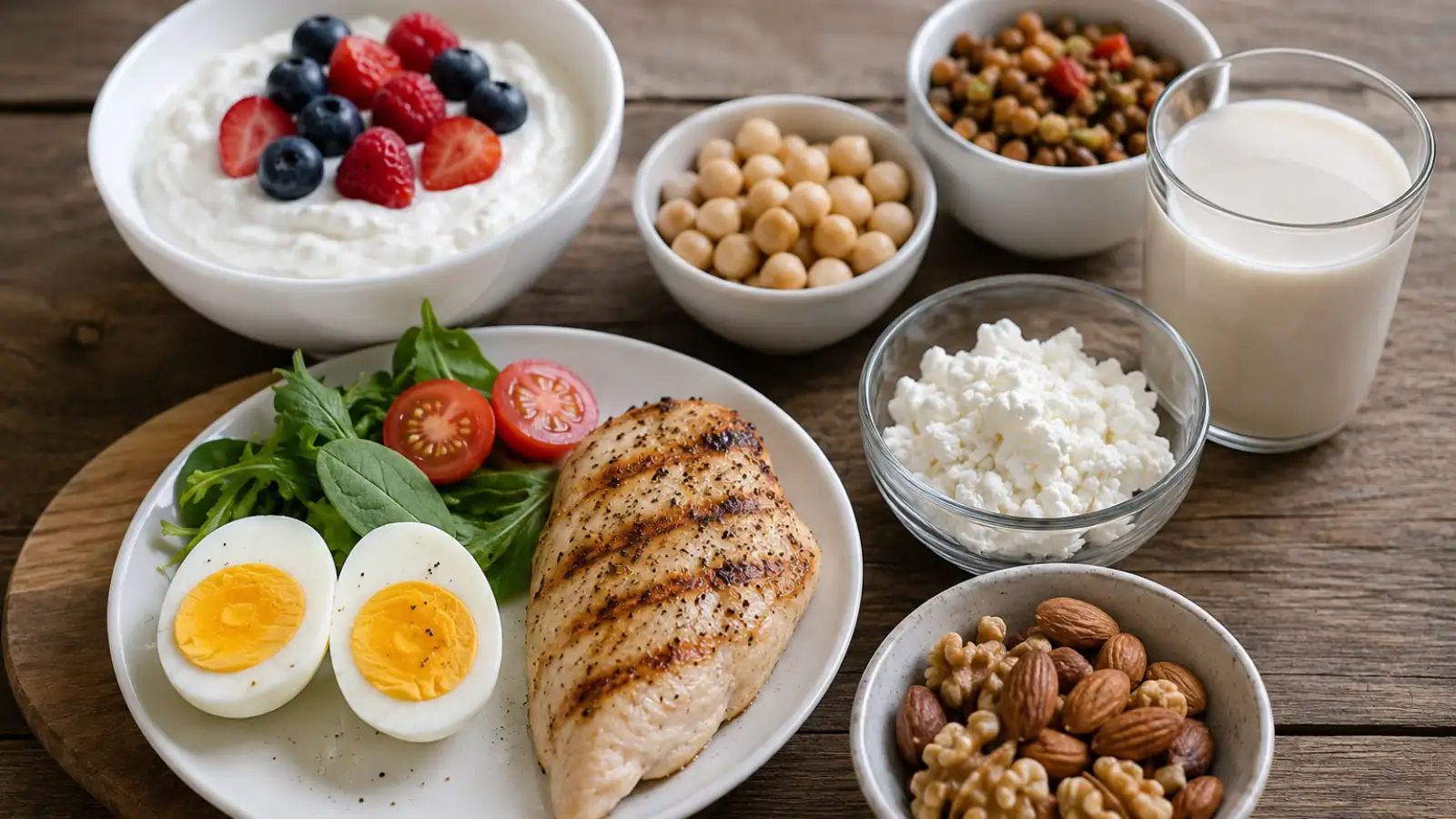
For most healthy adults, protein requirements can usually be met through a balanced diet that includes eggs, dairy, fish, lean meat, lentils, beans, chickpeas, soy products, nuts and seeds.People who exercise regularly, older adults, pregnant women or those recovering from illness may require slightly more protein than average. However, consuming excessive amounts without considering overall nutrition does not automatically lead to better health or bigger muscles.
Experts also stress that carbohydrates, healthy fats, fibre and vitamins remain equally important for a balanced lifestyle.
Lesser-Known Facts About Protein
One surprising fact is that your body cannot store protein in the same way it stores fat or carbohydrates. This means regular intake throughout the day is generally more beneficial than consuming large amounts in a single meal.Another lesser-known point is that combining different plant-based protein sources, such as rice with beans or lentils with whole grains, can provide all the essential amino acids your body needs.
Protein deserves its reputation as an essential nutrient, but it isn't a miracle ingredient. The growing focus on protein reflects a broader shift towards healthier living, active ageing and better nutrition rather than simply following another wellness trend. Instead of chasing every protein-labelled product on supermarket shelves, the smartest approach is to build balanced meals using wholesome foods. In the end, good health isn't about eating the most protein possible. It's about giving your body the right nutrients in the right proportions, every single day.






Loving Newspoint? Download the app now
